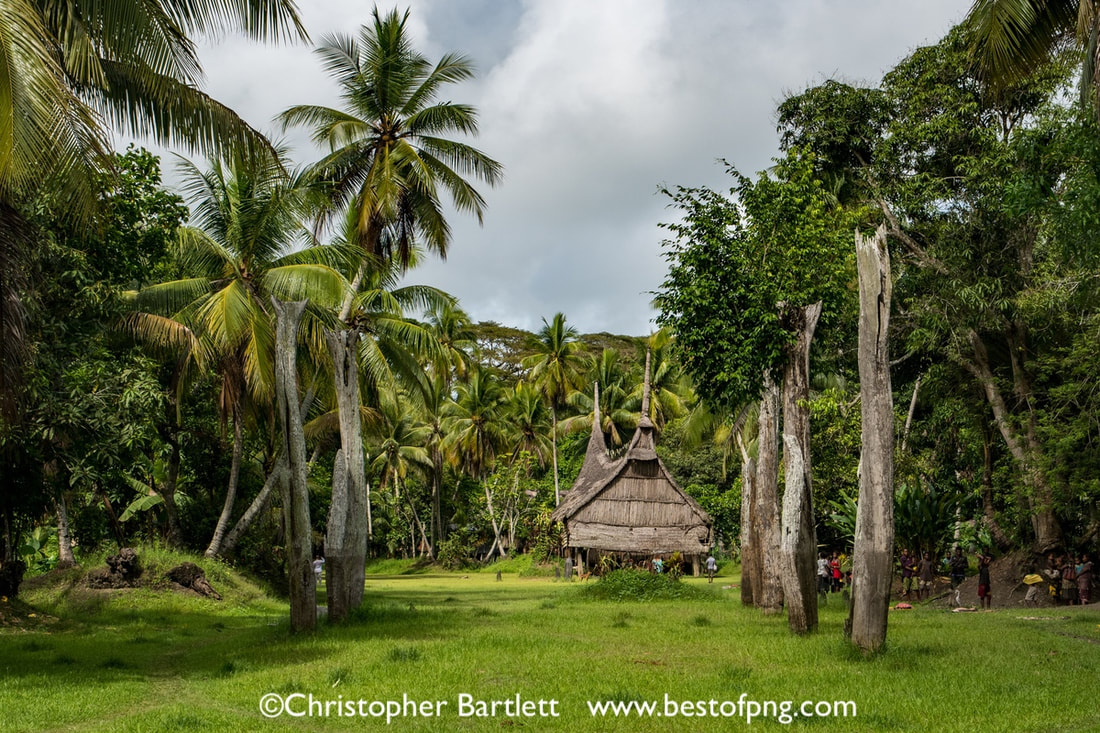
Papua New Guinea is home to a wide range of wildlife, much of it adapted to forests, mountains, rivers, and coastal waters. The country is remote in many areas, and its varied landscapes support species that are uncommon elsewhere.
In this article, you’ll meet creatures from these habitats, including the 38 species of Birds of Paradise and the Matschie’s tree kangaroo. We name regions such as the Highlands and the Sepik River, where these animals may be seen. You’ll also learn about the island’s evolutionary history and how to reach remote areas through lodges such as Ambua Lodge or Karawari Lodge. This is a guide to seeing these animals with planning and local support.
Key Takeaways
- Learn how geographic separation influenced the wildlife of Papua New Guinea and its links to Asian and Australian fauna.
- See the Birds of Paradise, including 38 species found in Papua New Guinea.
- Look for tree kangaroos in the highlands and learn how these marsupials live in forest canopies.
- Learn about reptiles such as the Saltwater Crocodile and Crocodile Monitor.
- Review the travel arrangements involved in reaching remote lodges and wildlife areas.
Evolution and Geography of Papua New Guinea Wildlife
Papua New Guinea has areas of forest and mountain habitat that have experienced limited development. Its location between Asia and Australia has influenced the species found there. The country covers about 0.5% of the Earth’s land area and is home to 8% of all recorded vertebrate species. The absence of large placental predators, such as the big cats found elsewhere in Asia, influenced the development of its marsupials and other animals. The Fauna of New Guinea includes species with adaptations to particular habitats.
The Gondwana Legacy
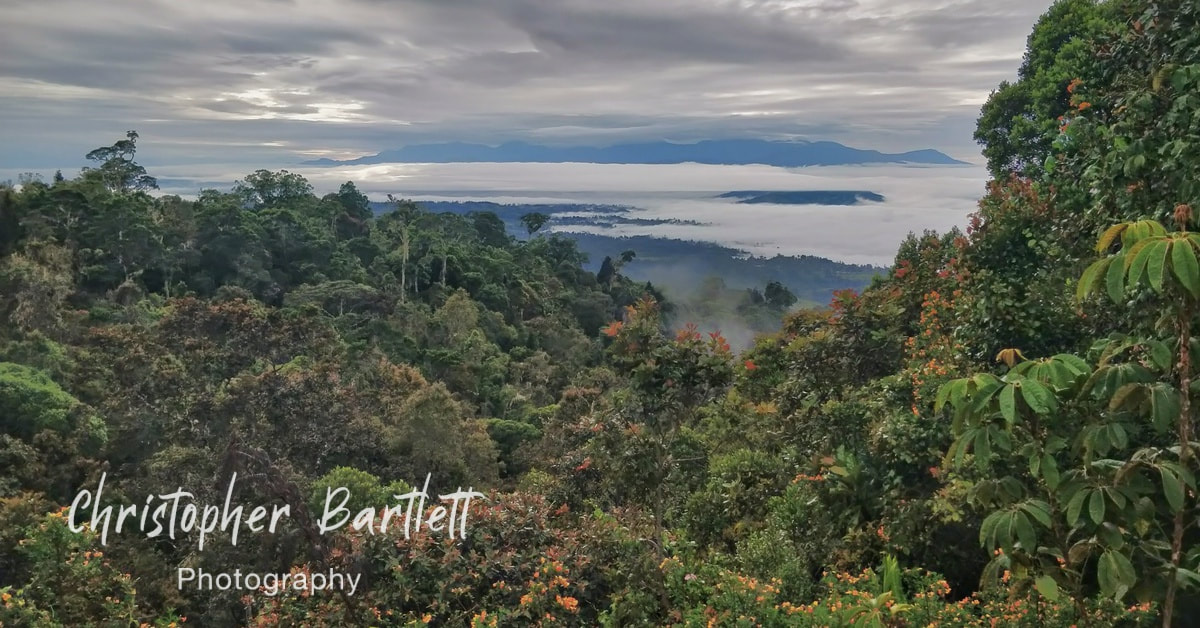
The history of the wildlife of Papua New Guinea is linked to the island’s separation from the supercontinent of Gondwana. This separation from Australia millions of years ago left a marsupial population in a tropical climate. As the land shifted, a central mountain range rose to heights over 4,500 meters. The mountains divided habitats and contributed to differences between valleys and alpine grasslands. Lowland forests lie relatively close to high peaks, creating several habitat types within a limited area.
Species with Limited Ranges
Many species in this region are endemic, meaning they occur nowhere else on Earth. Geographic separation has also preserved lineages that are less common elsewhere. One example is the New Guinea Singing Dog, whose howl can be heard in some high-altitude forests. Smaller animals, including the “Cosmic Caterpillar” and other invertebrates, also form part of the wildlife of Papua New Guinea.
- 8% of world vertebrates found on 0.5% of the globe’s landmass.
- Zero large placental predators, a factor in marsupial evolution.
- 4,500m peaks separating different habitats.
- Species with long histories such as the Singing Dog found in isolated areas.
Birds of Paradise in the Forest Canopy
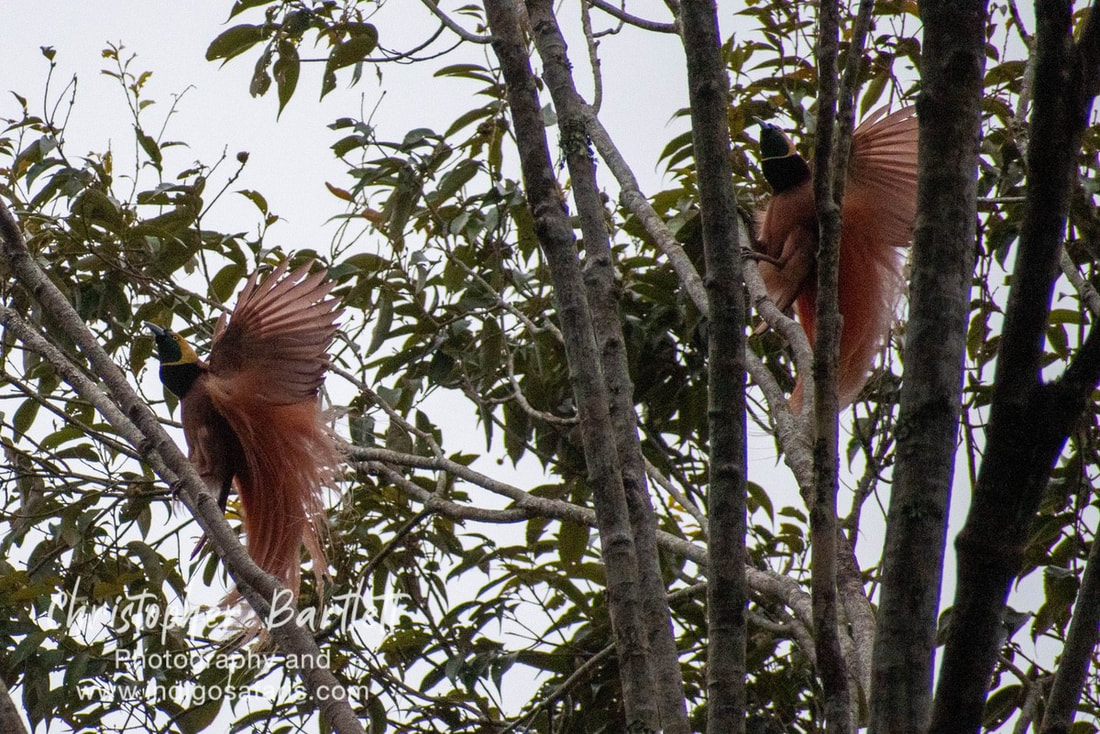
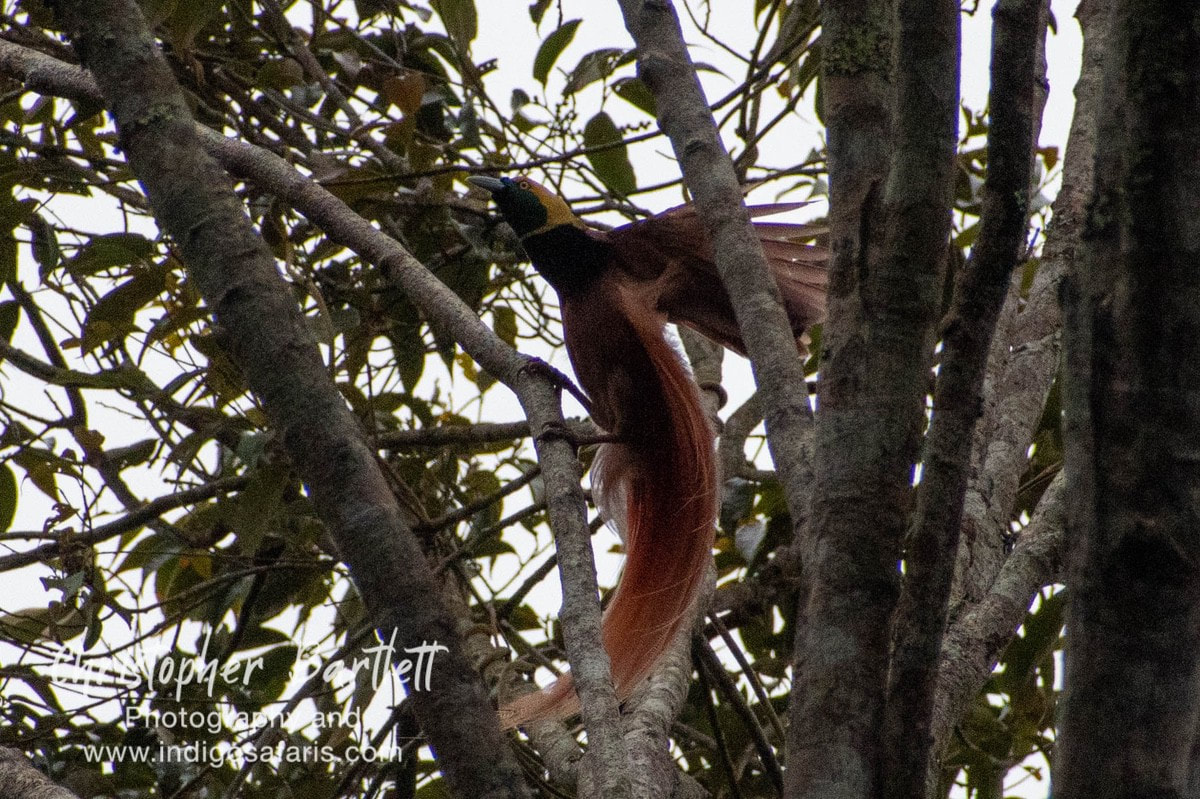
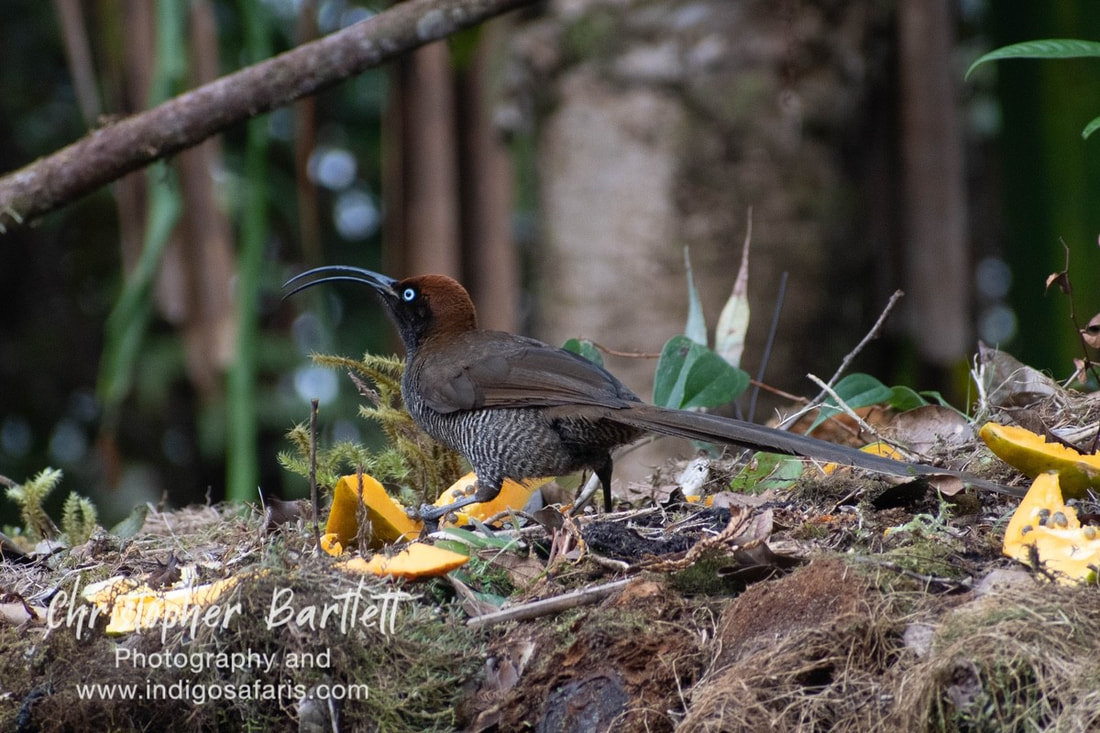
Birds of Paradise are a family of birds (Paradisaeidae) known for their plumage and courtship dances, with 38 of the 42 known species found in PNG. In some forests, visitors may begin before dawn and follow calls to a lek, the display ground where males compete for the attention of a mate. These birds are an important part of the wildlife of Papua New Guinea.
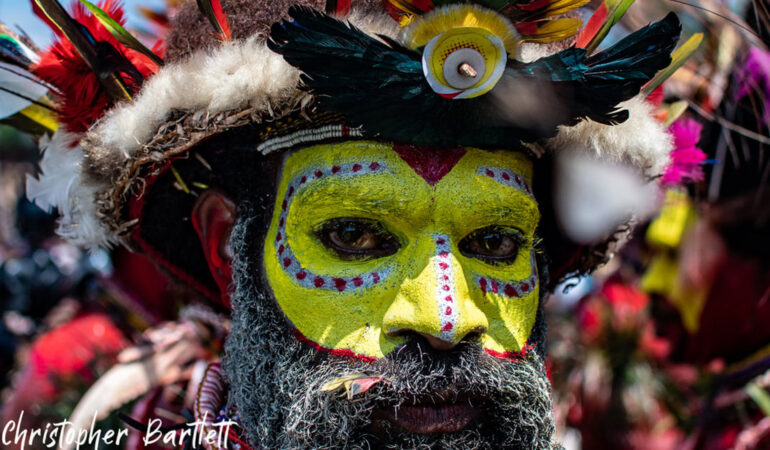
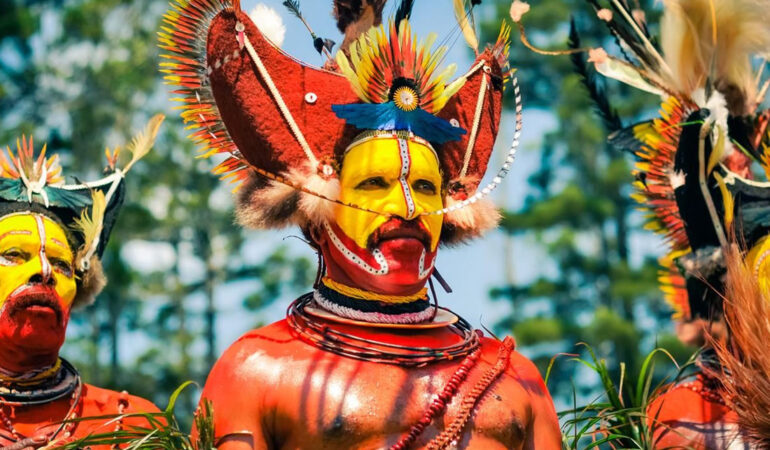
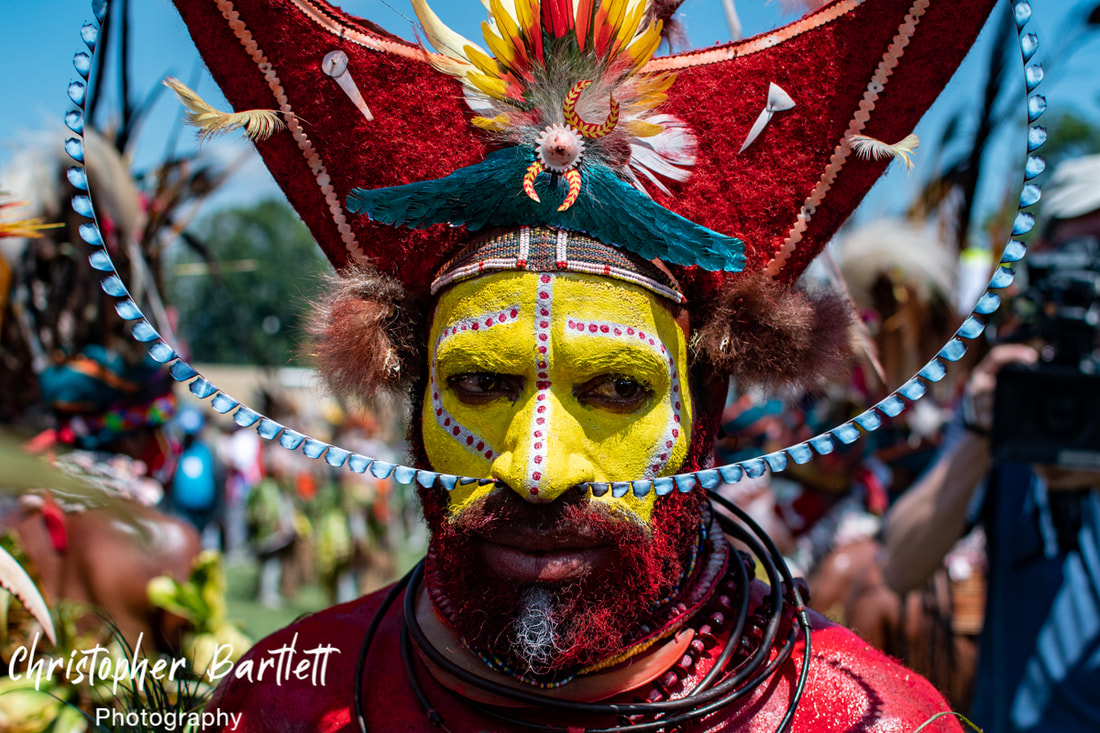
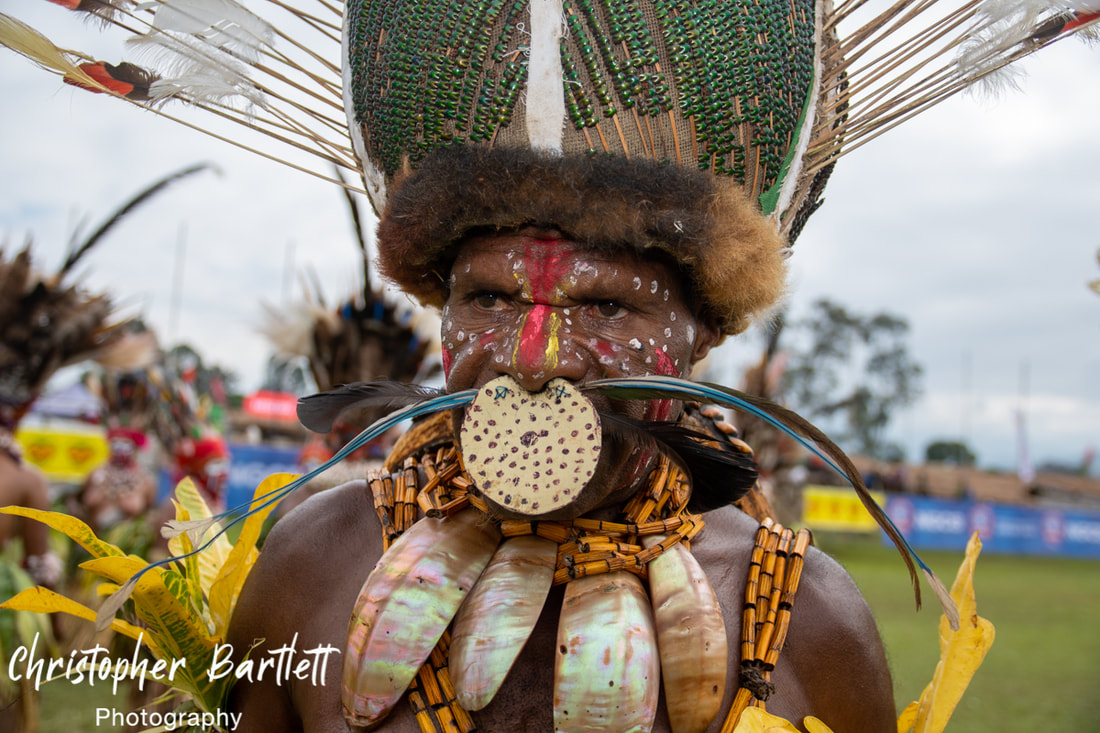
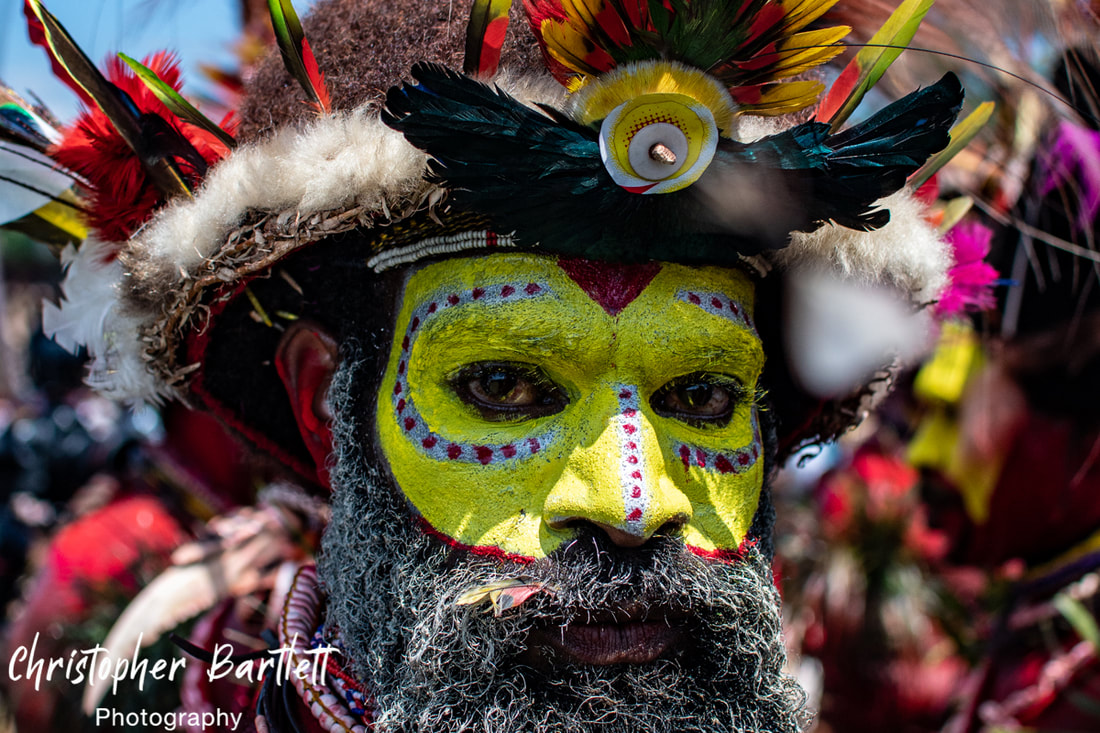
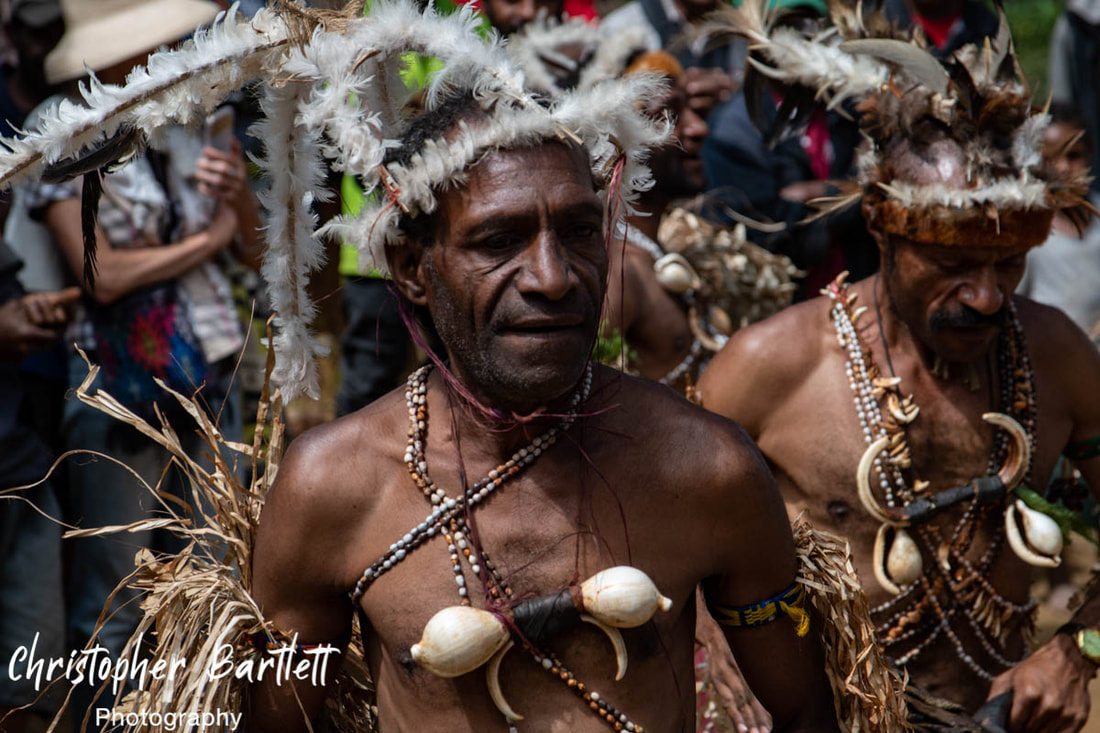
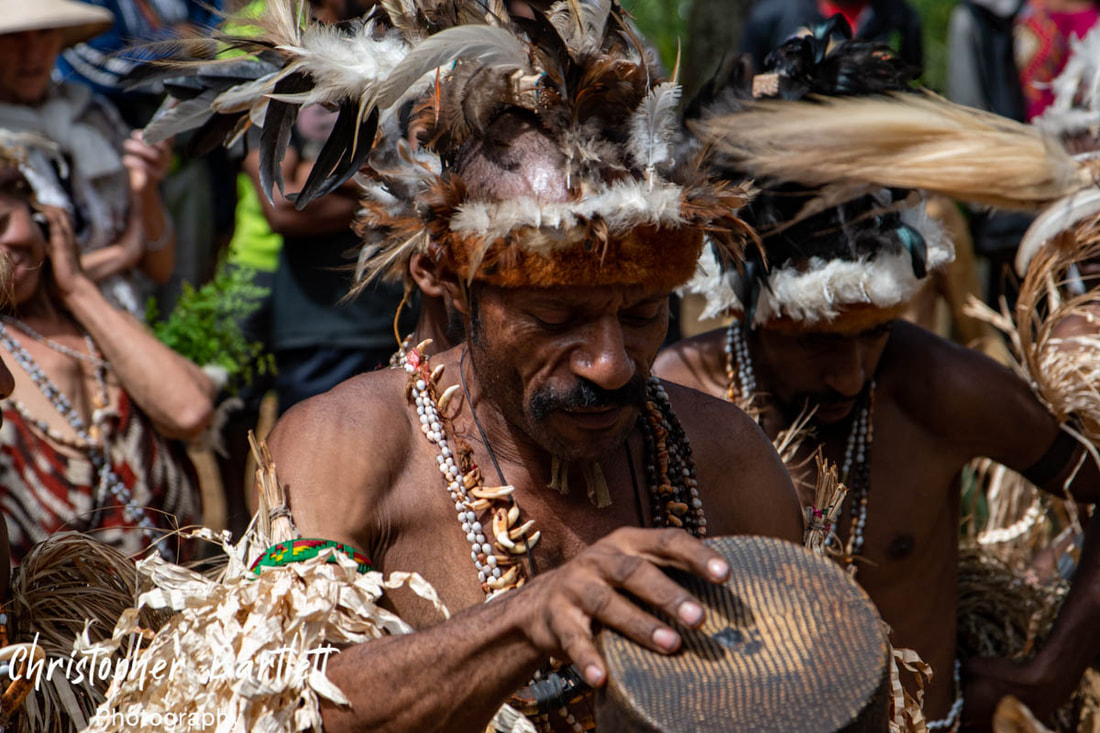
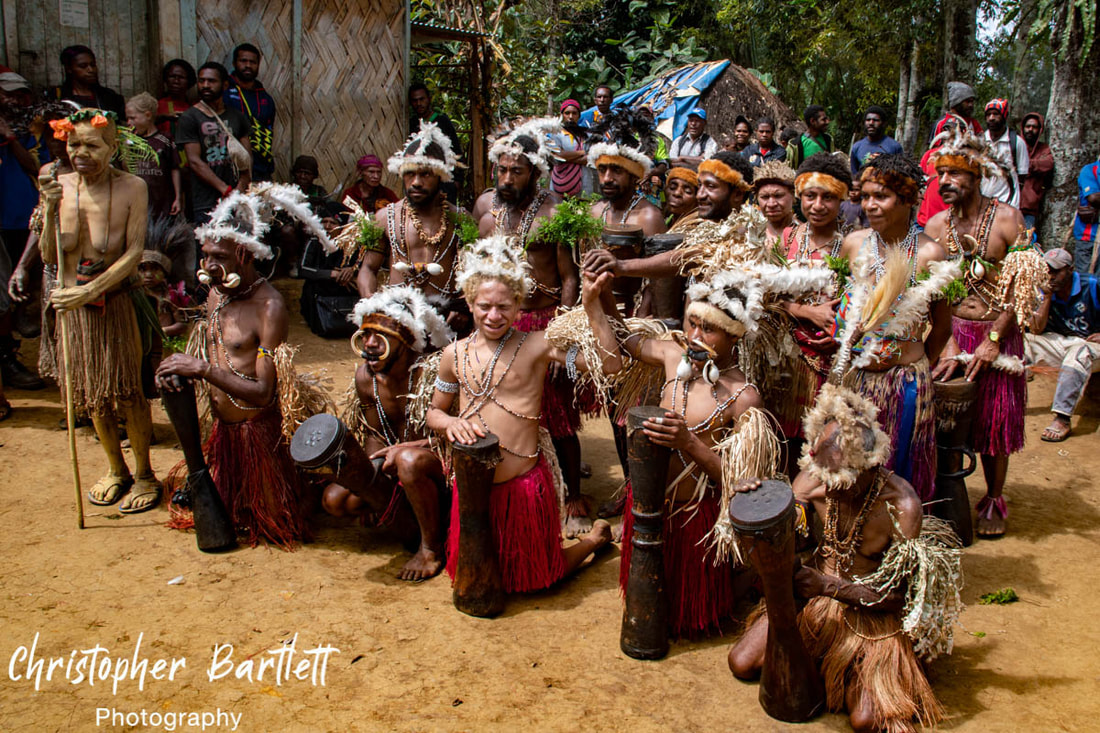
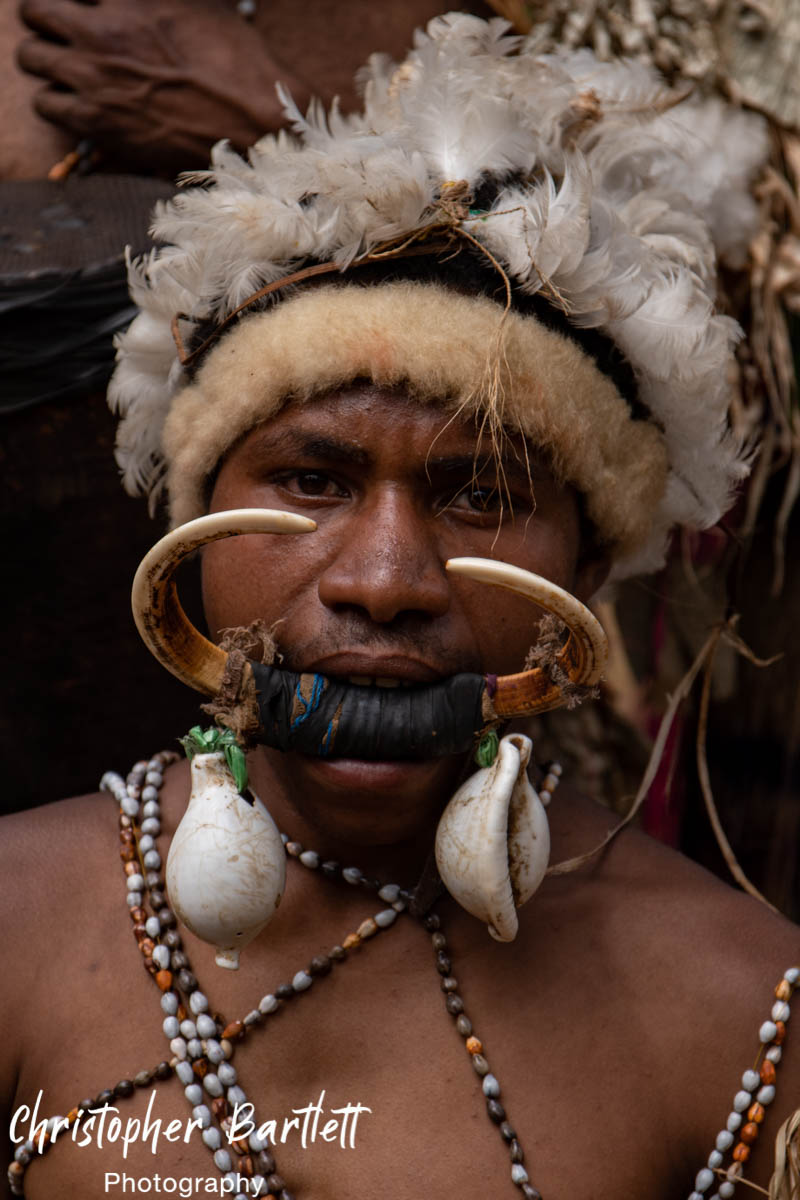
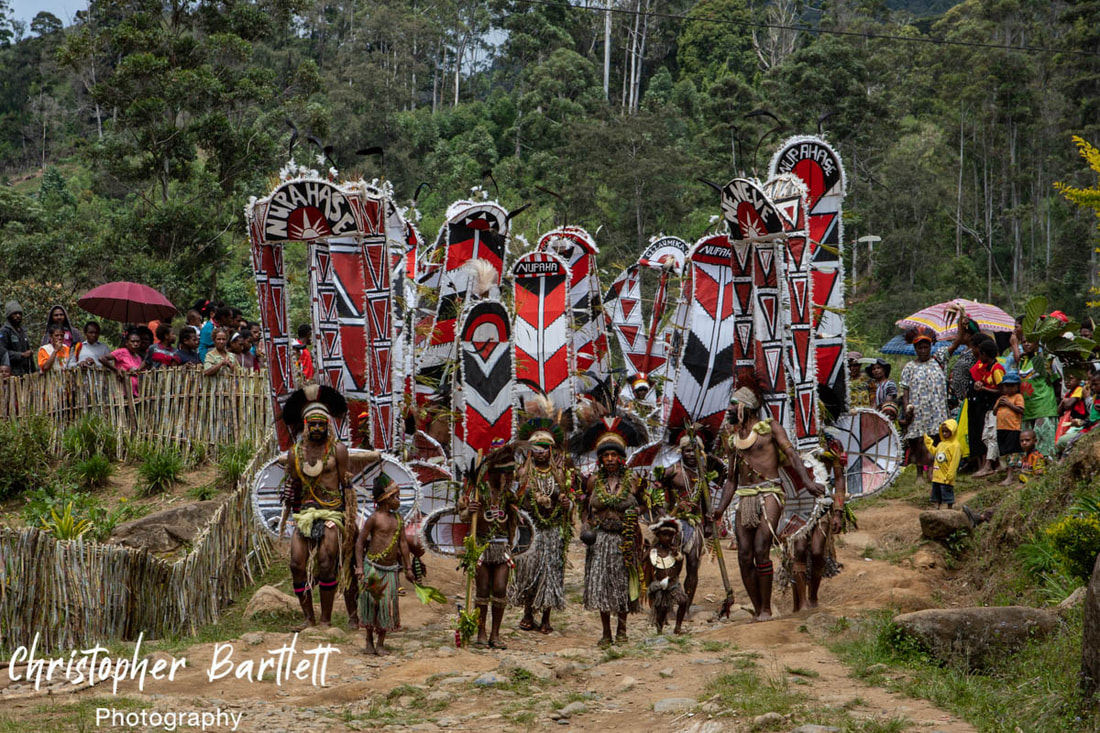
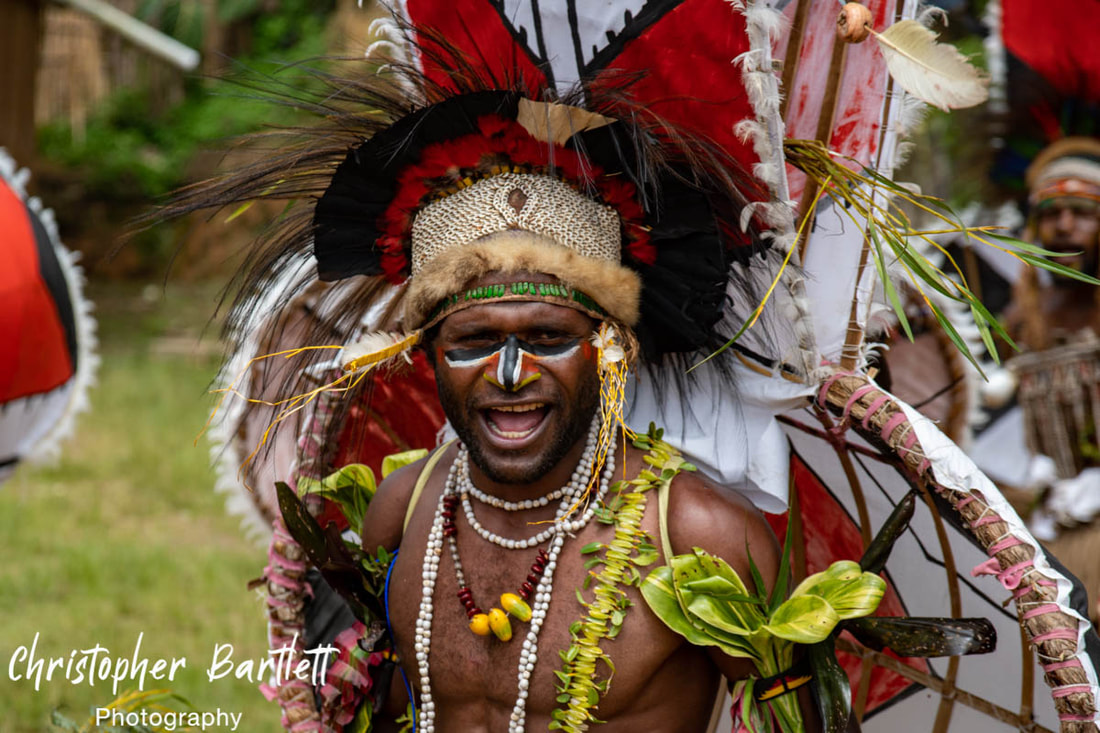
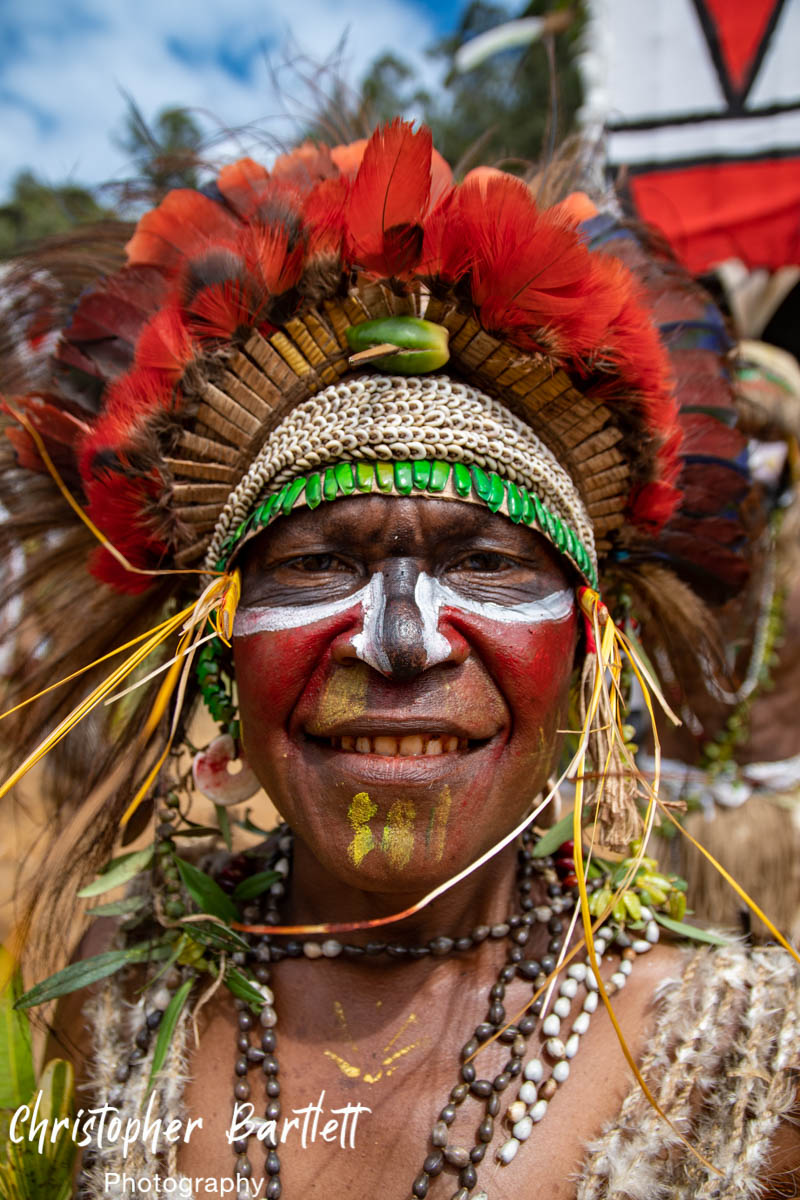
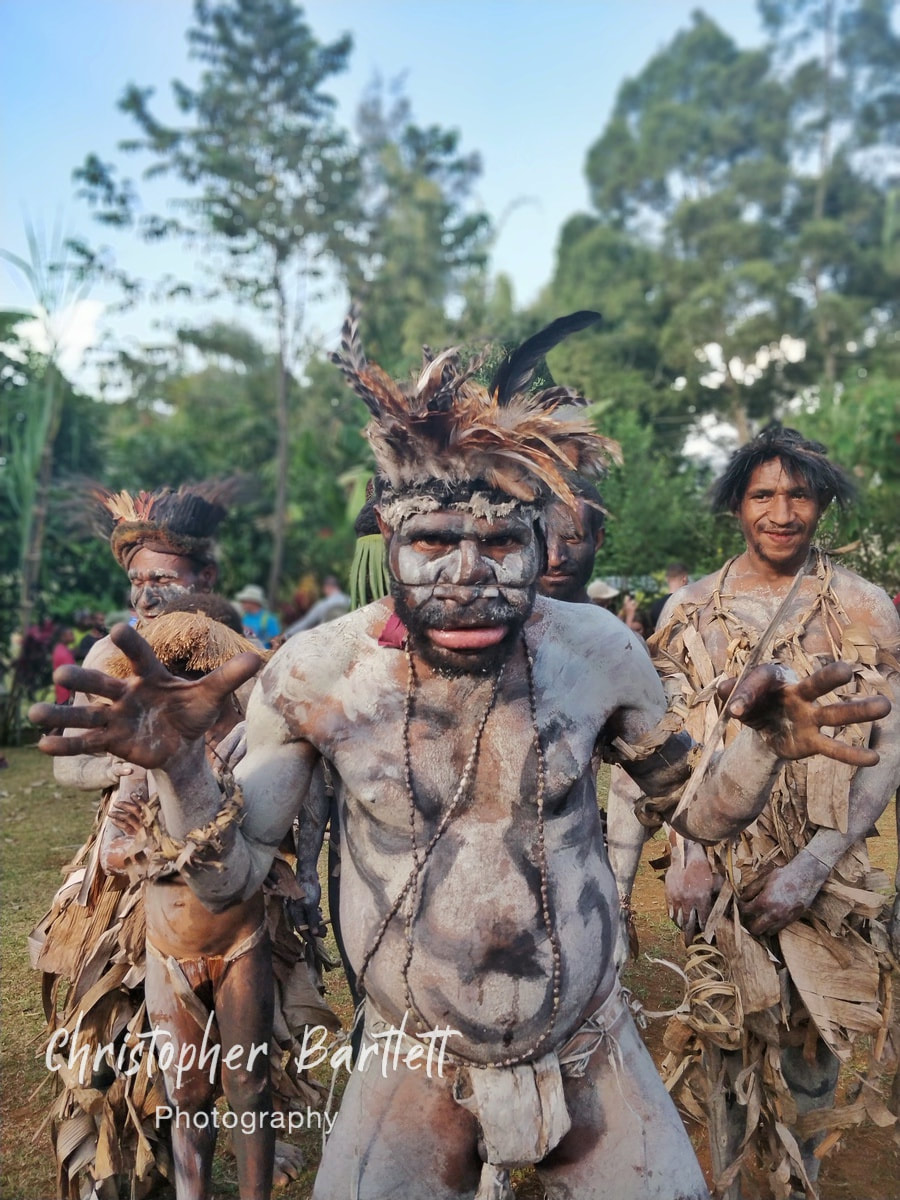
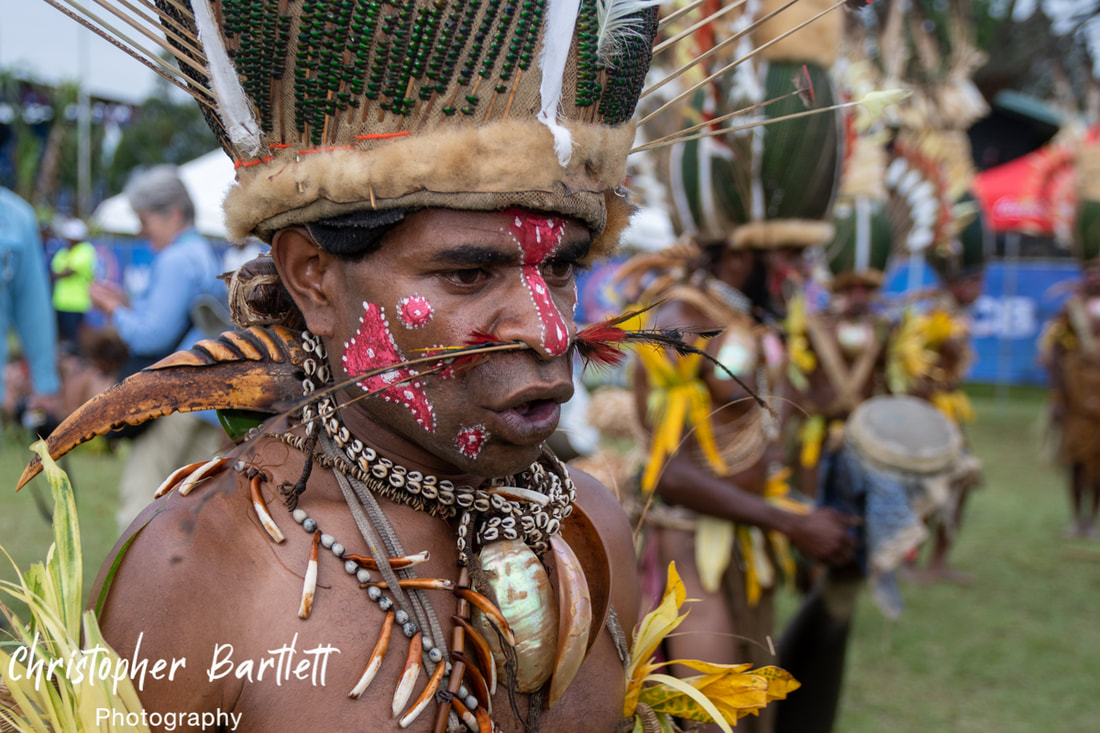
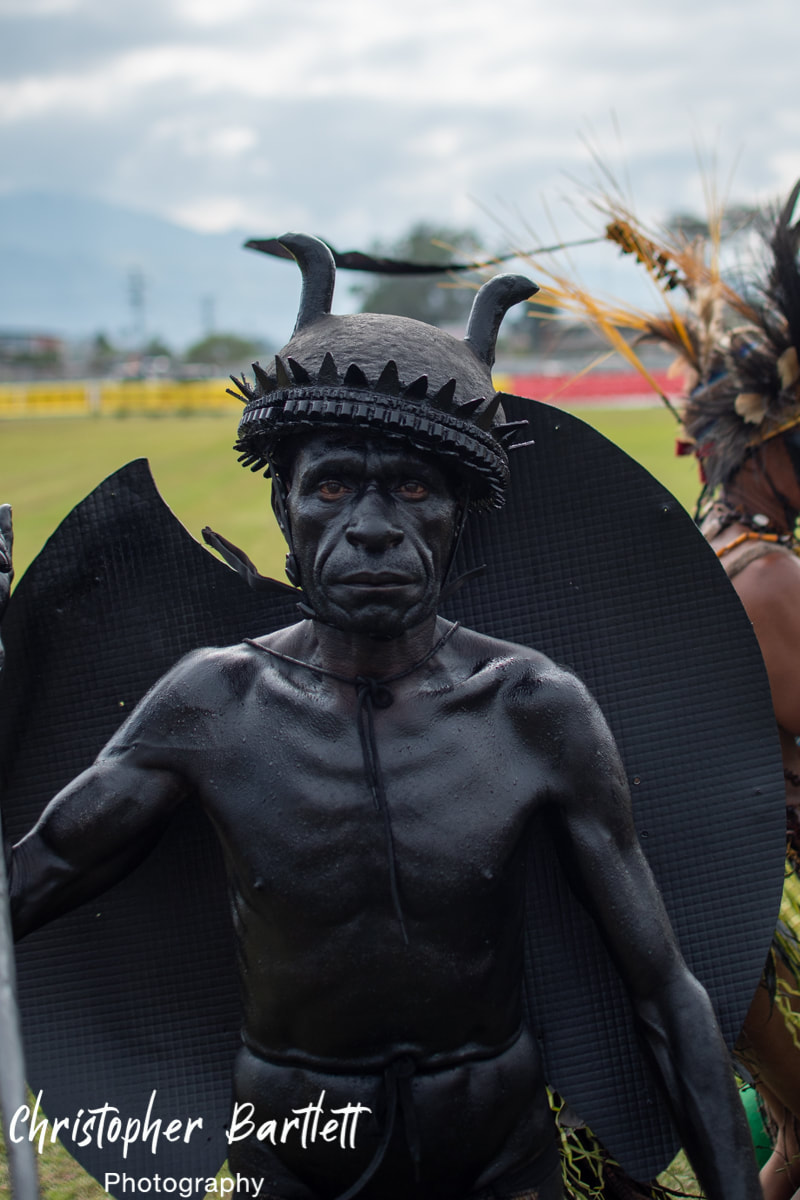
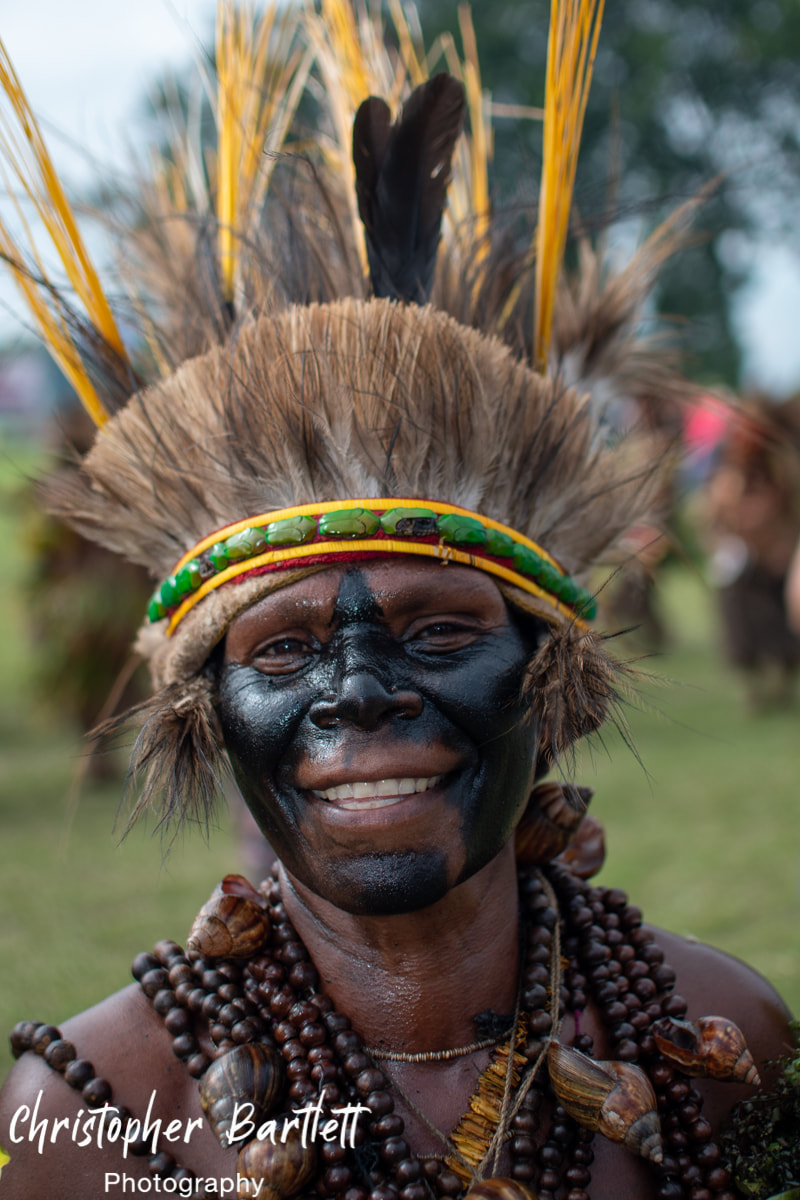
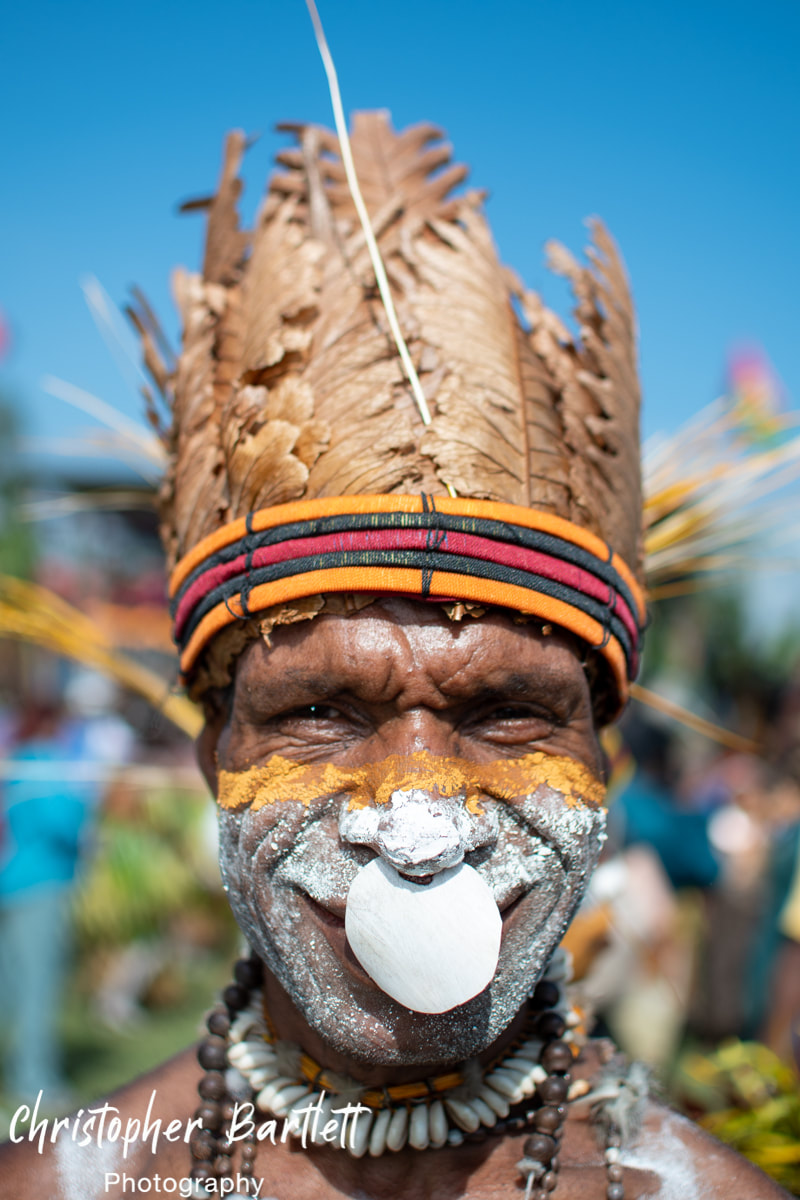
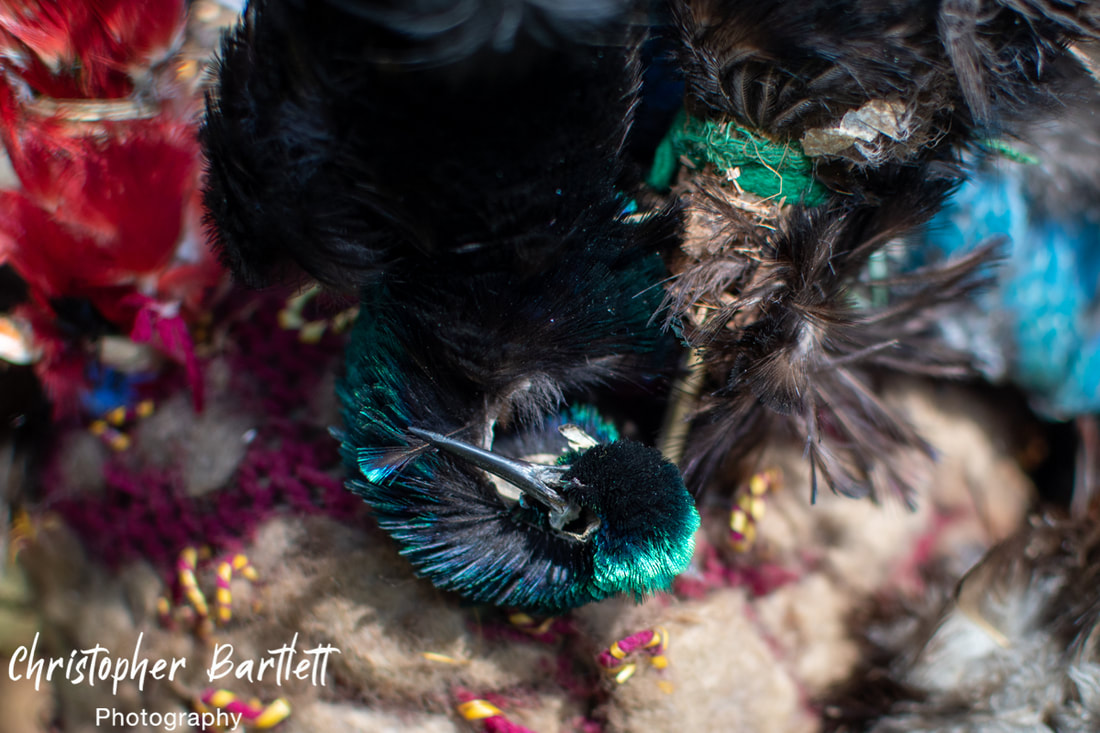
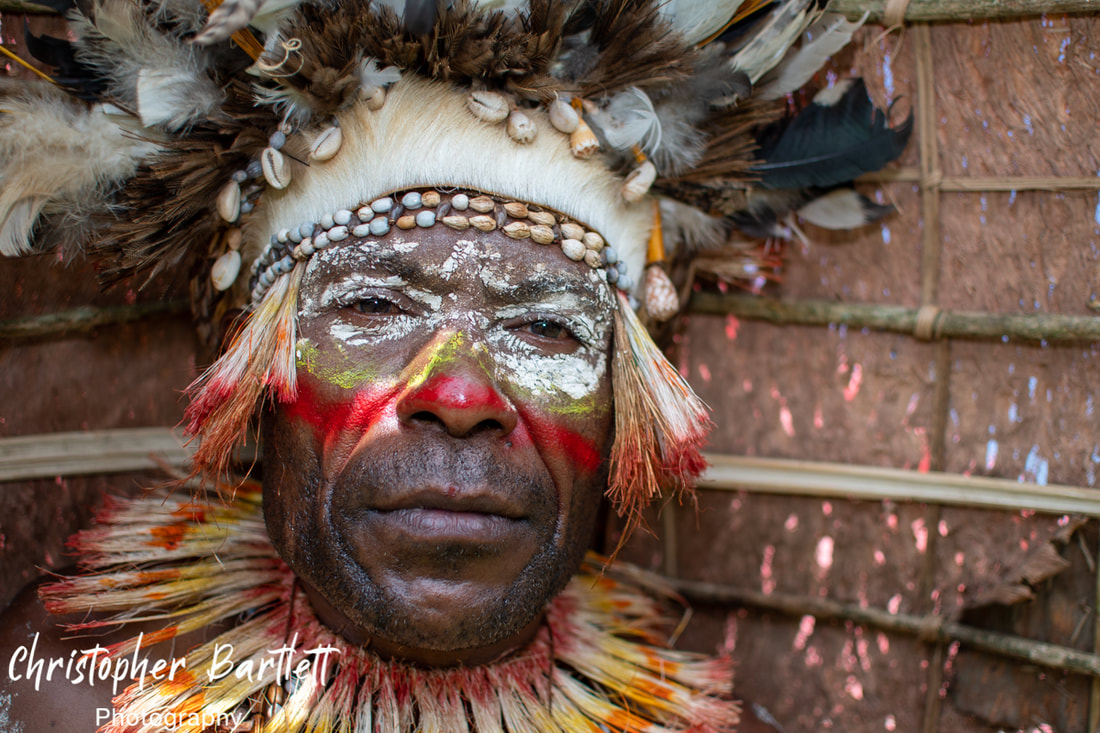
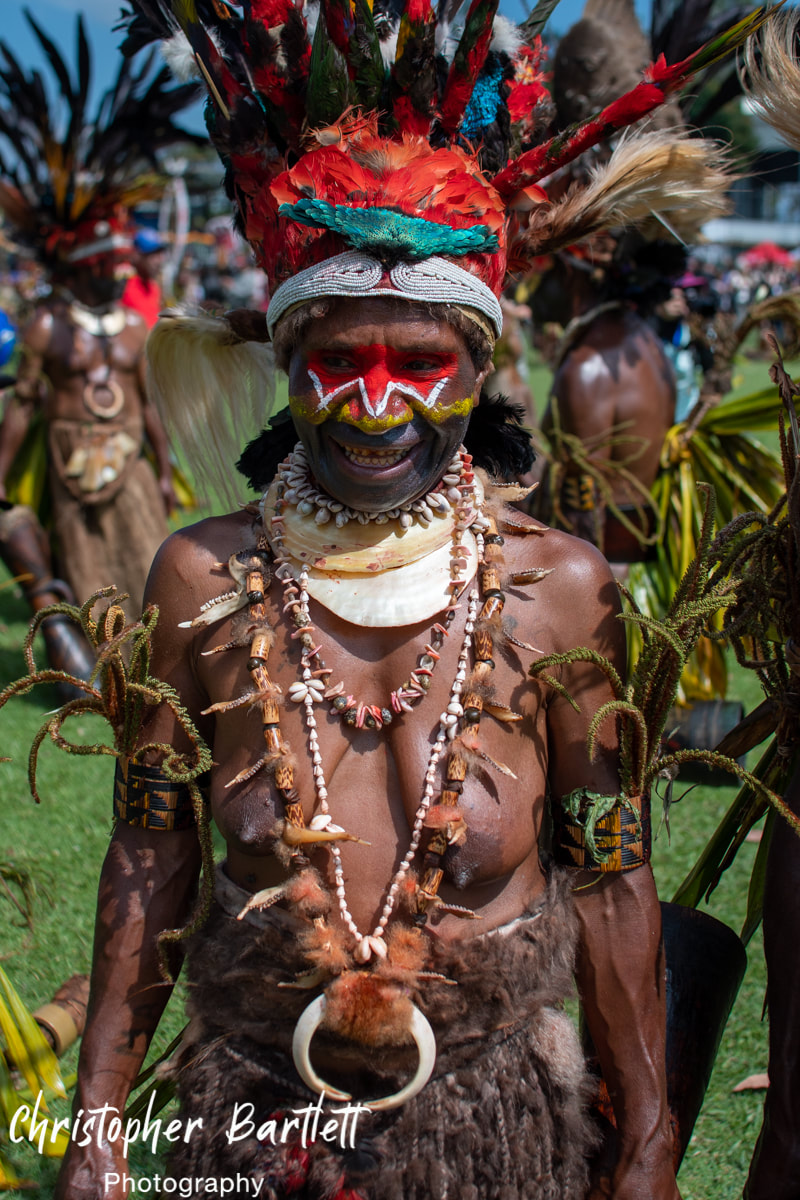
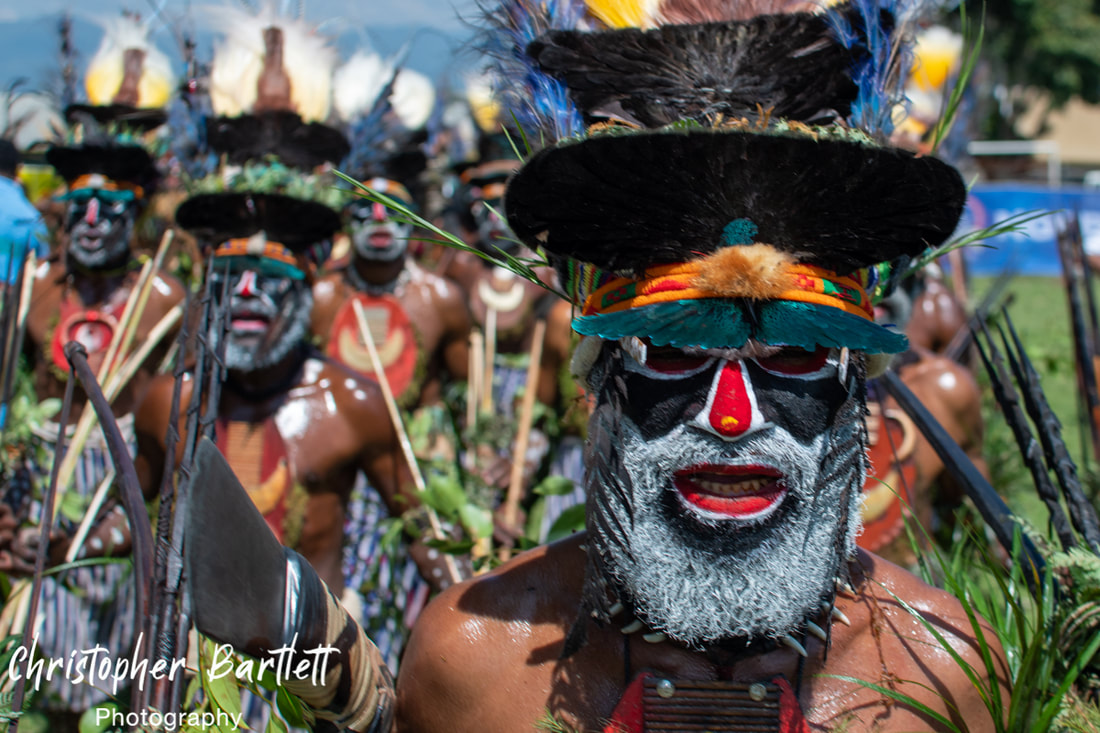
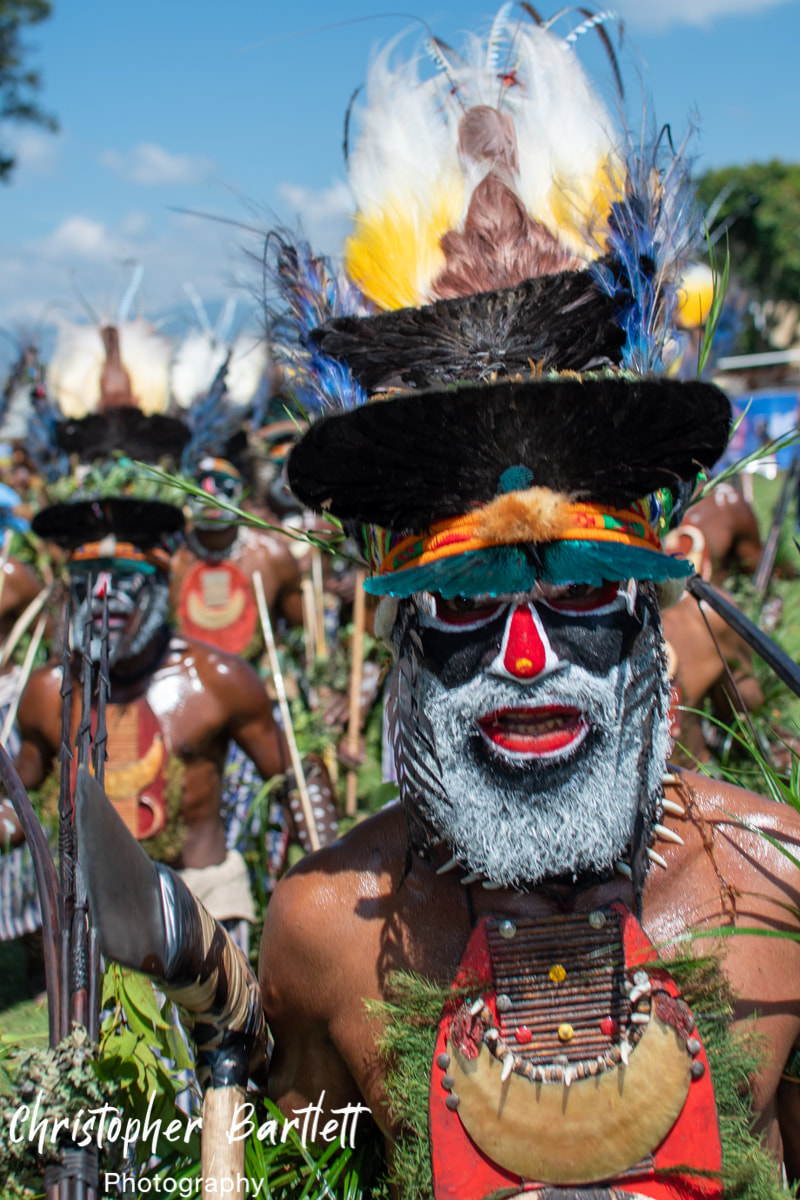
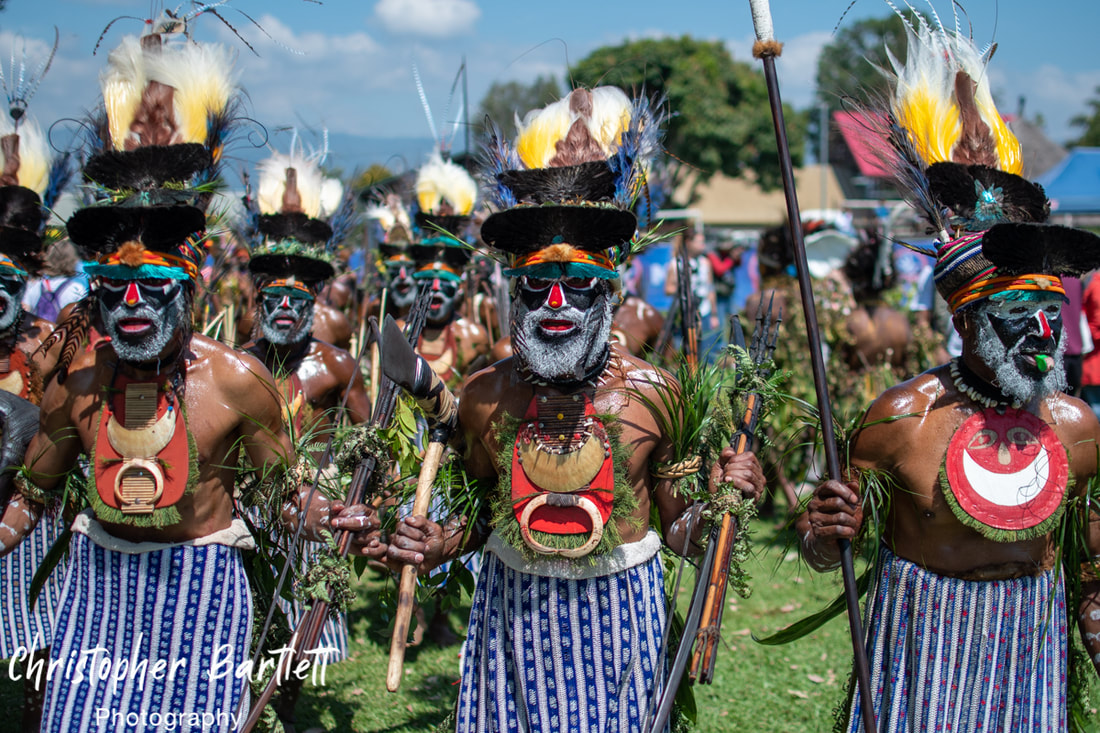
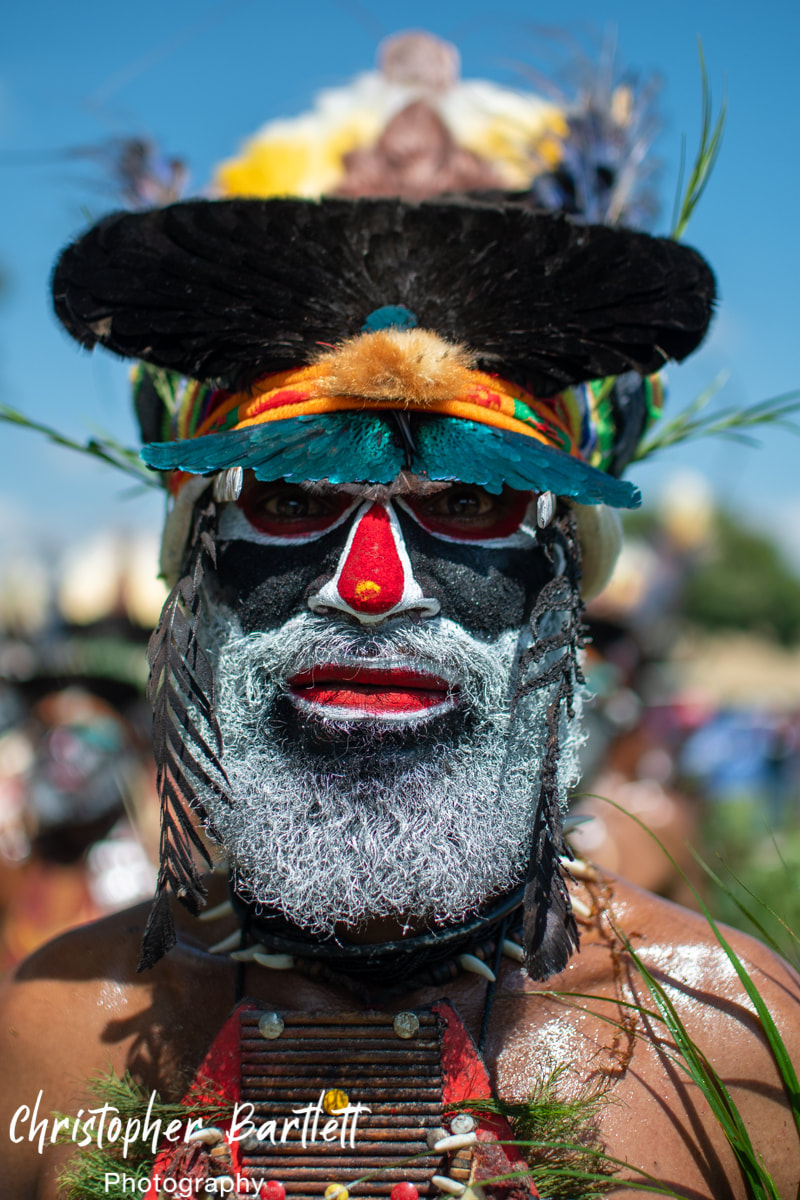
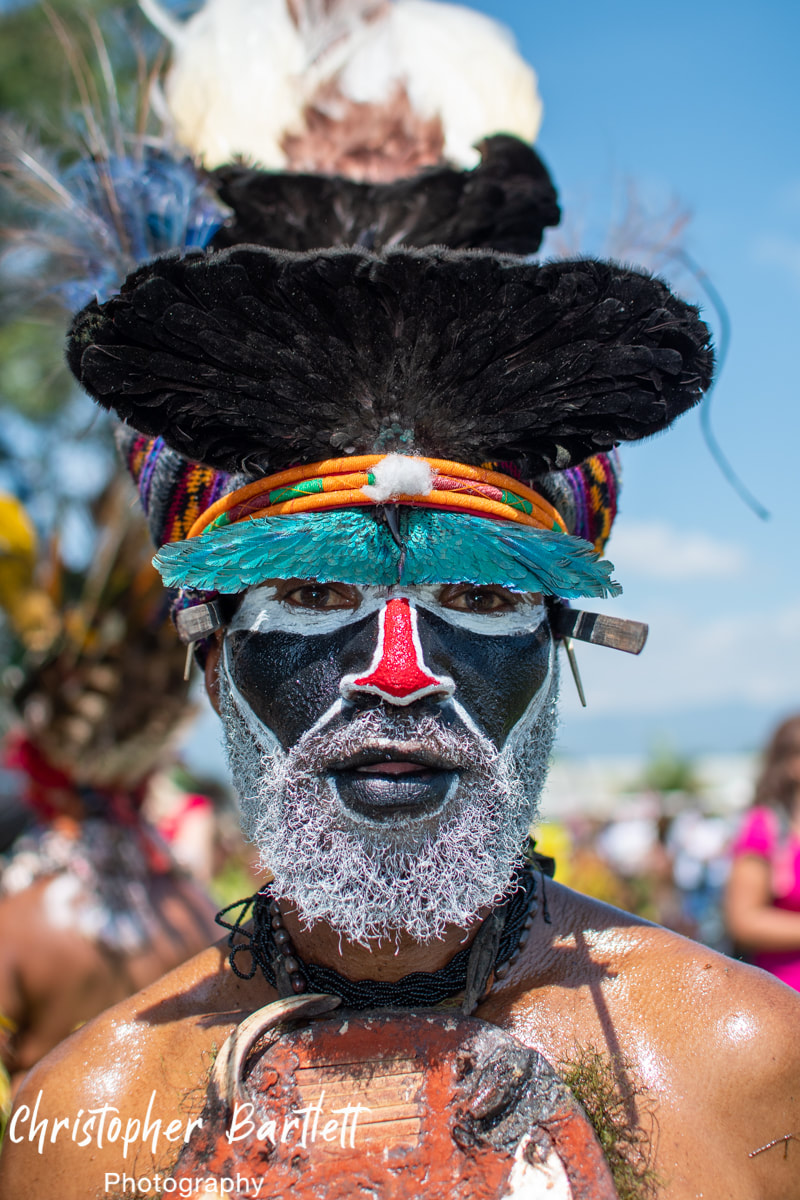
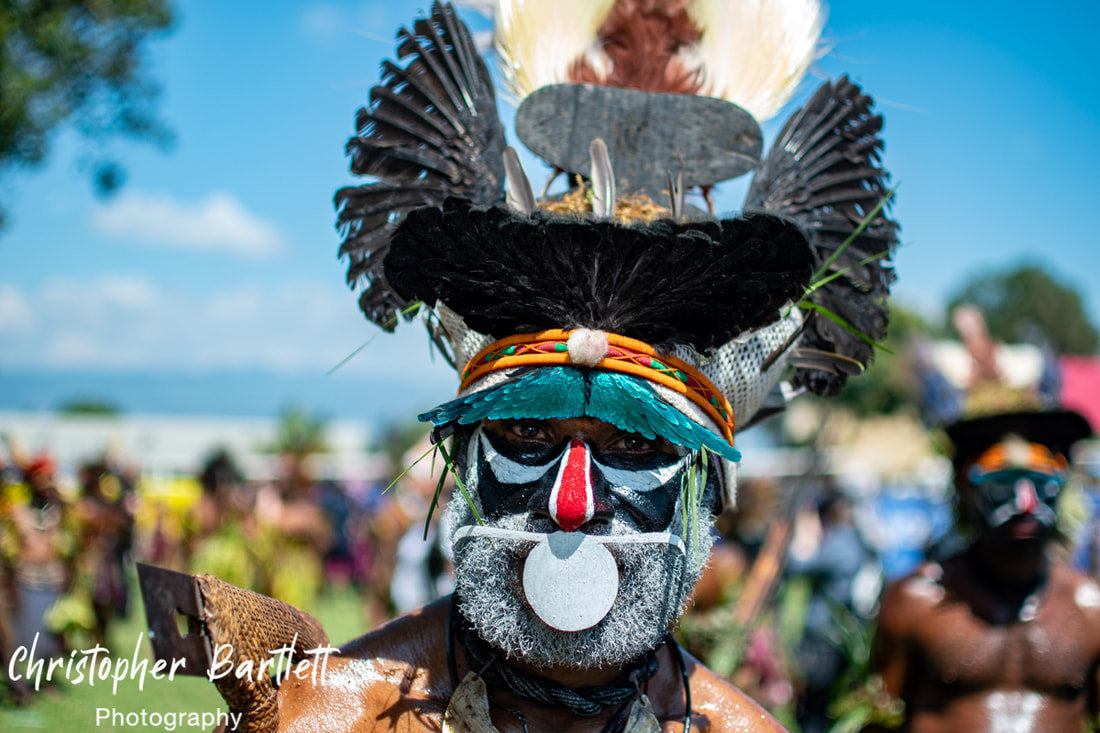
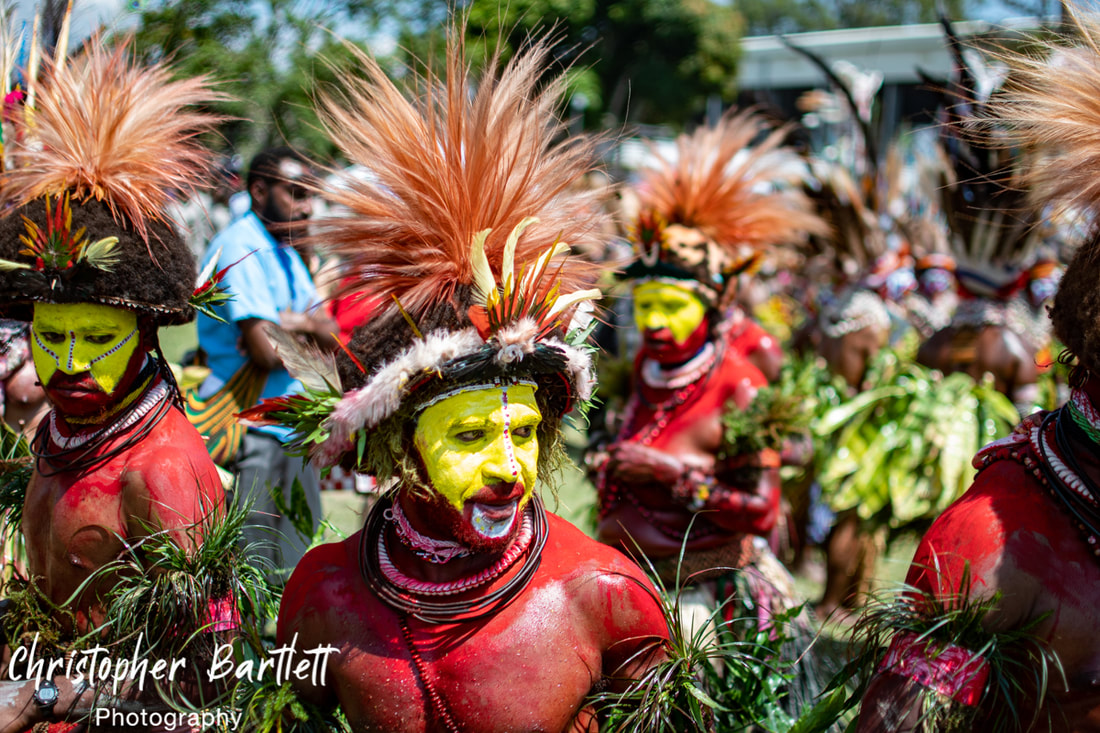
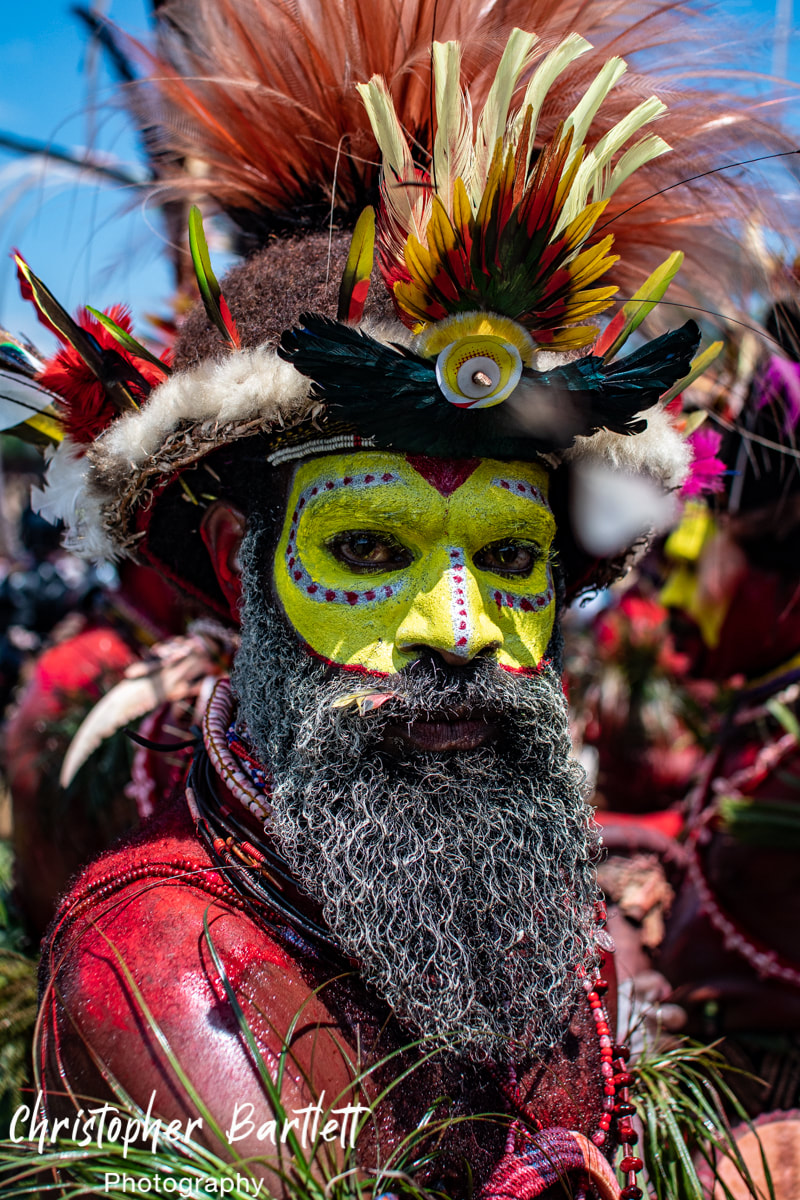
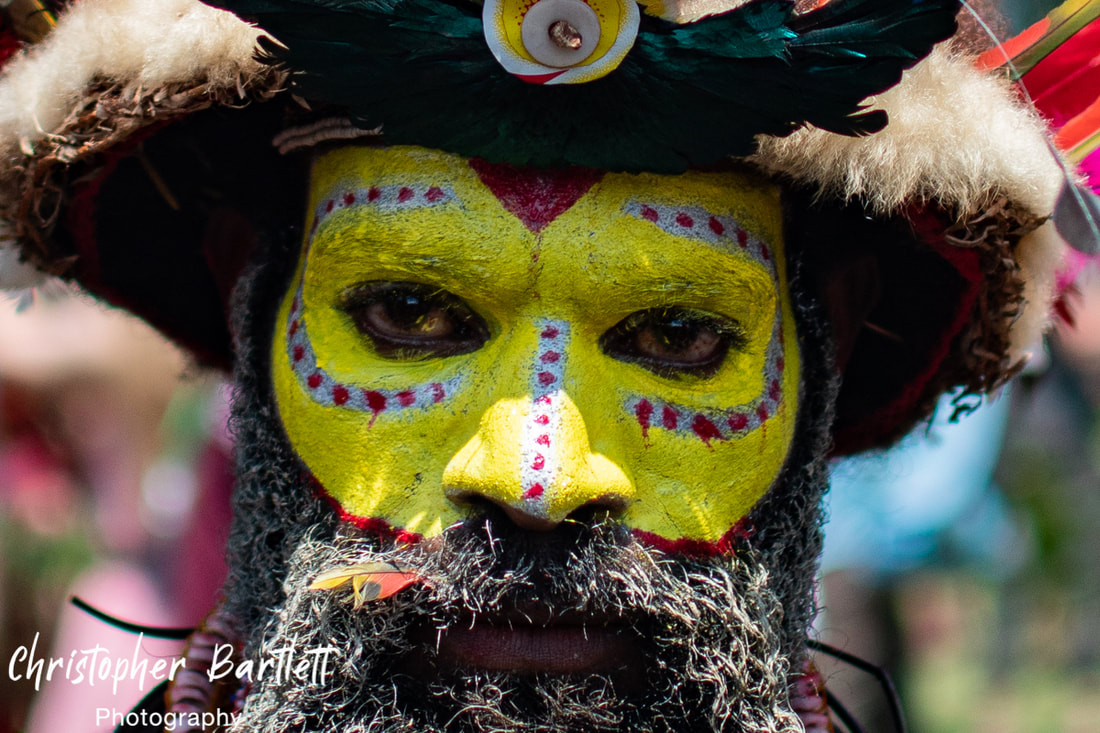
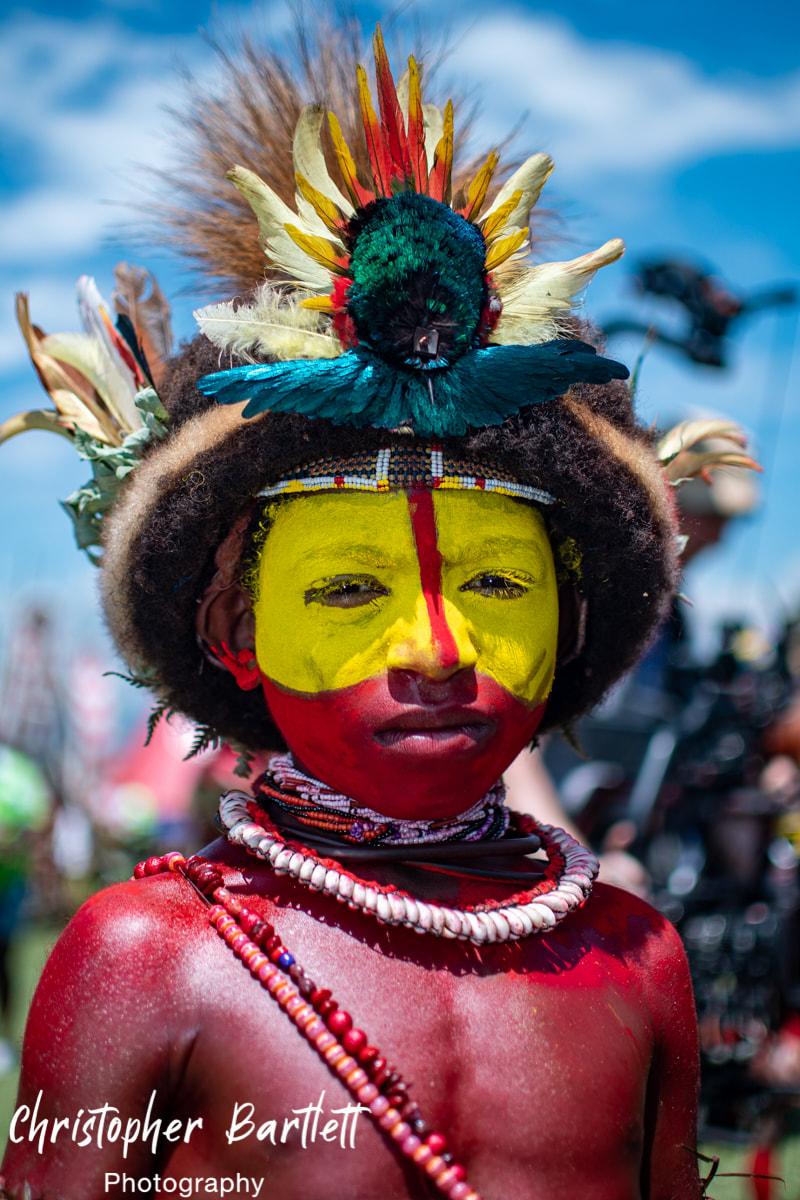
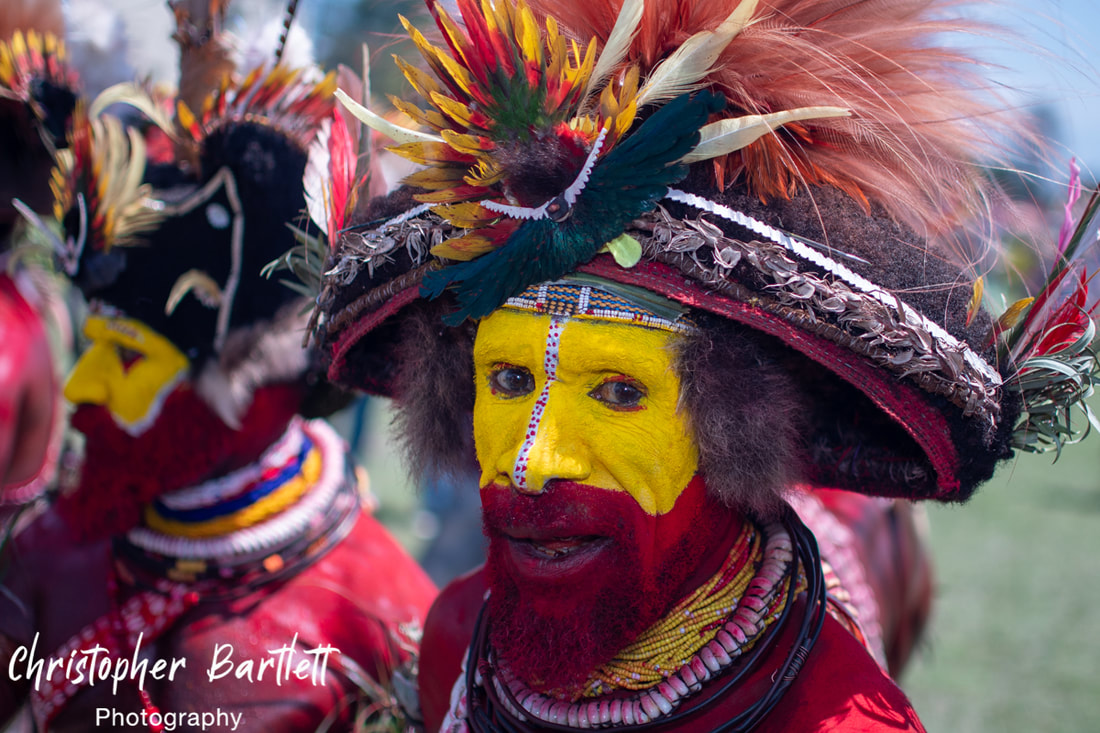
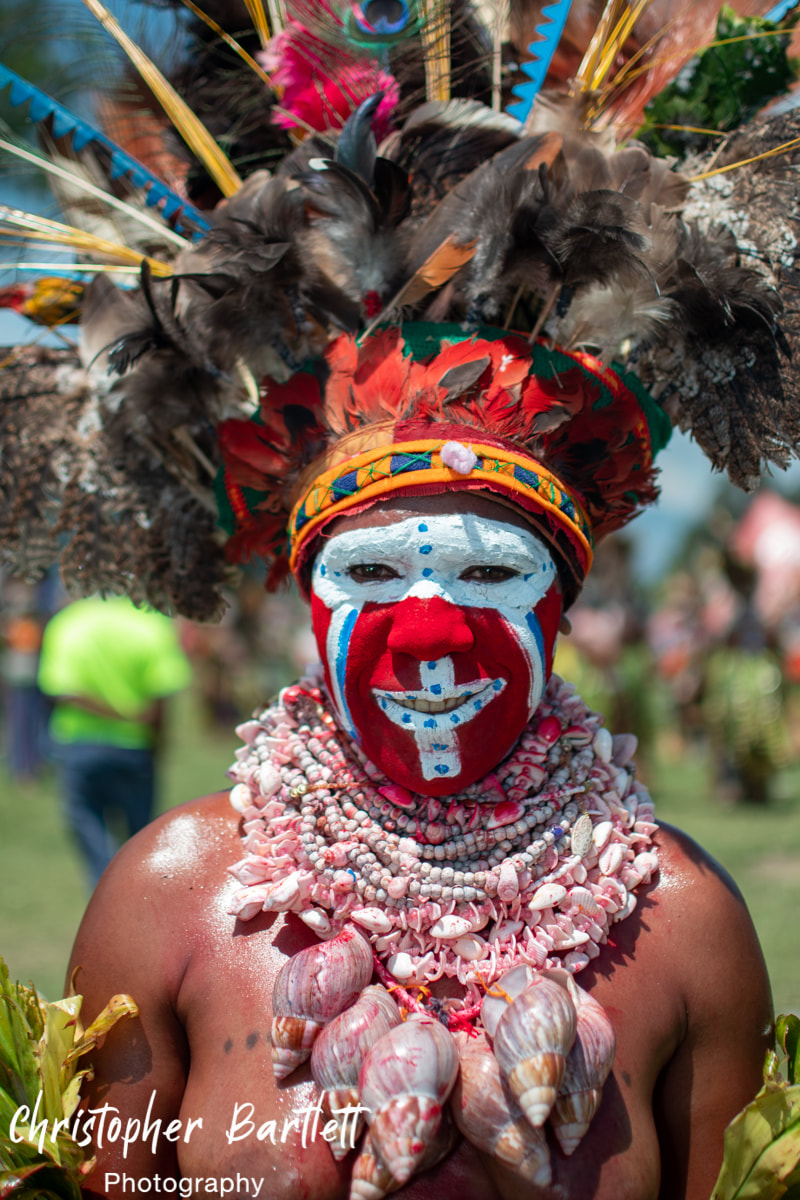
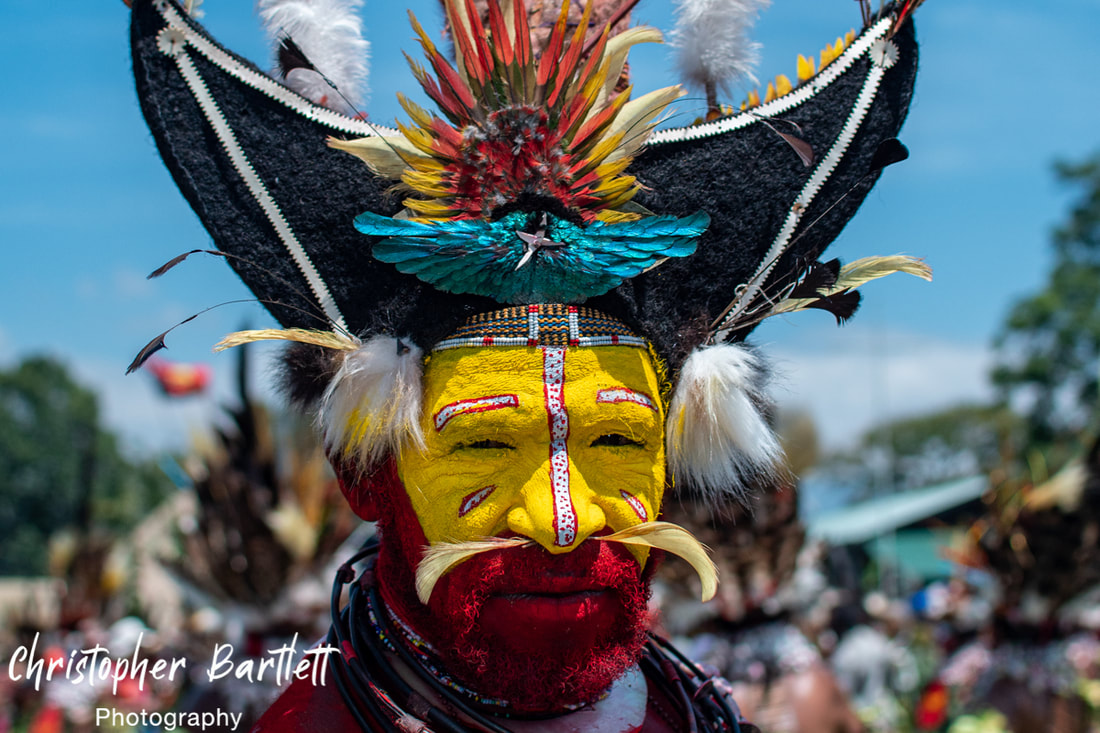
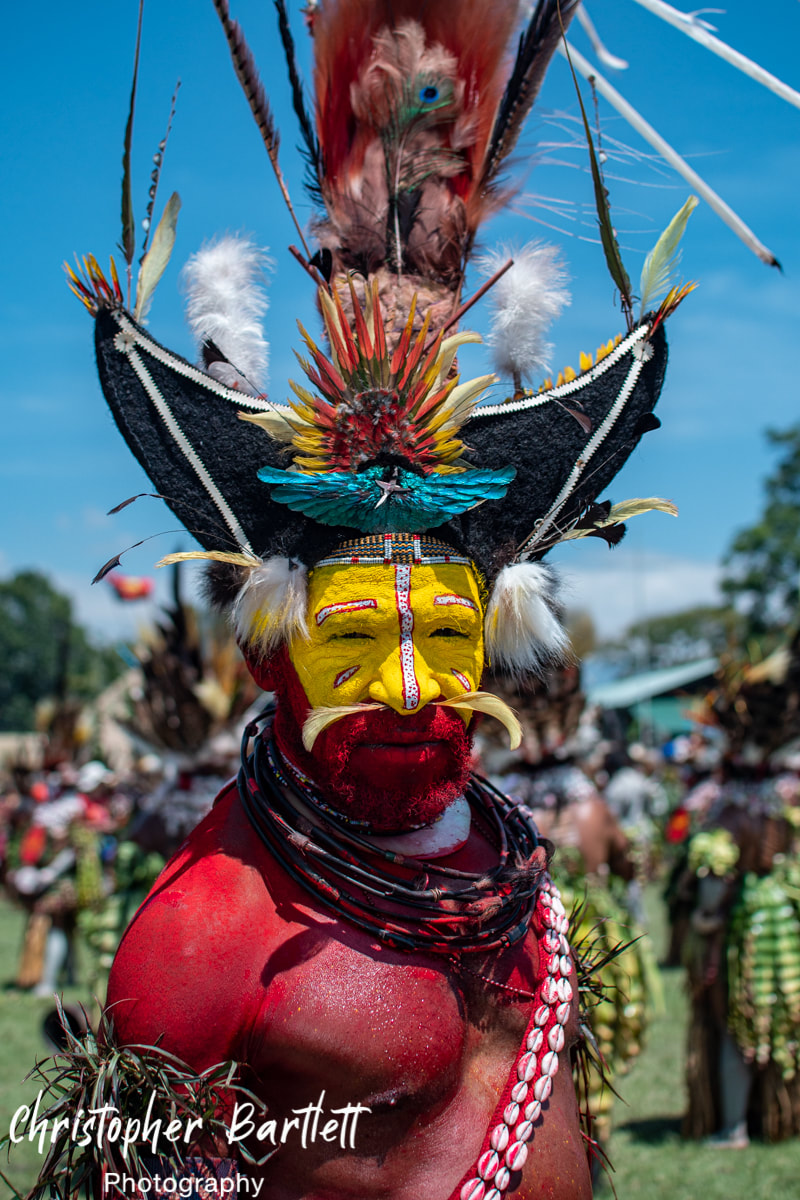
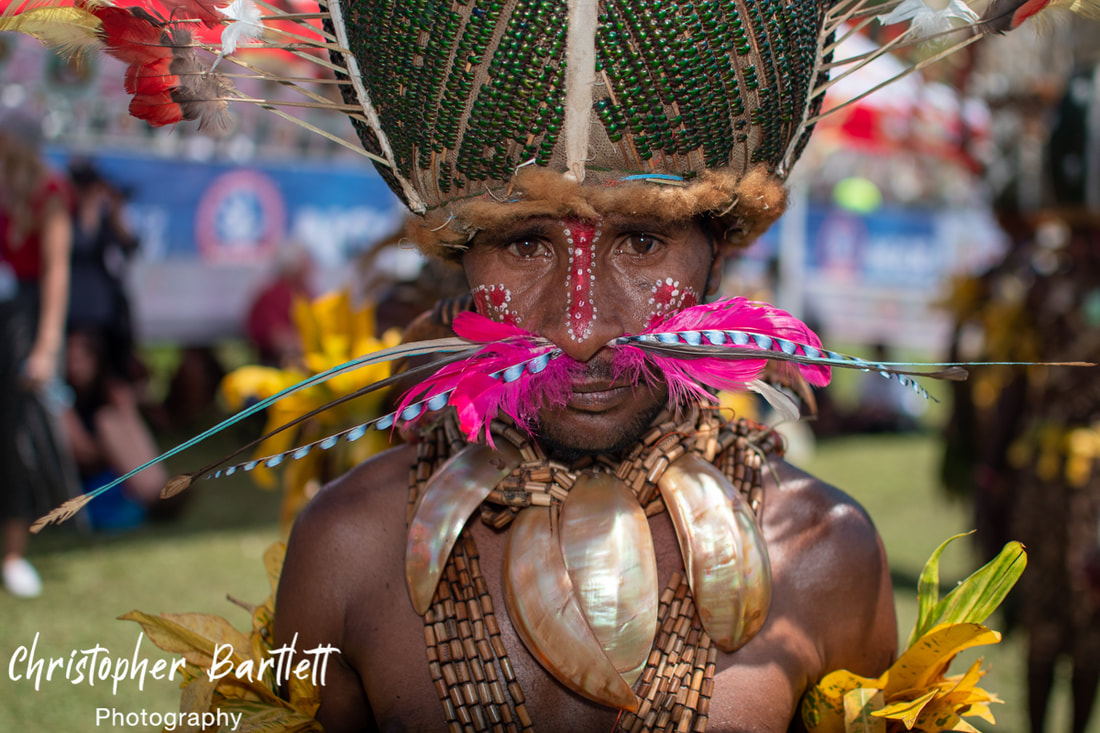
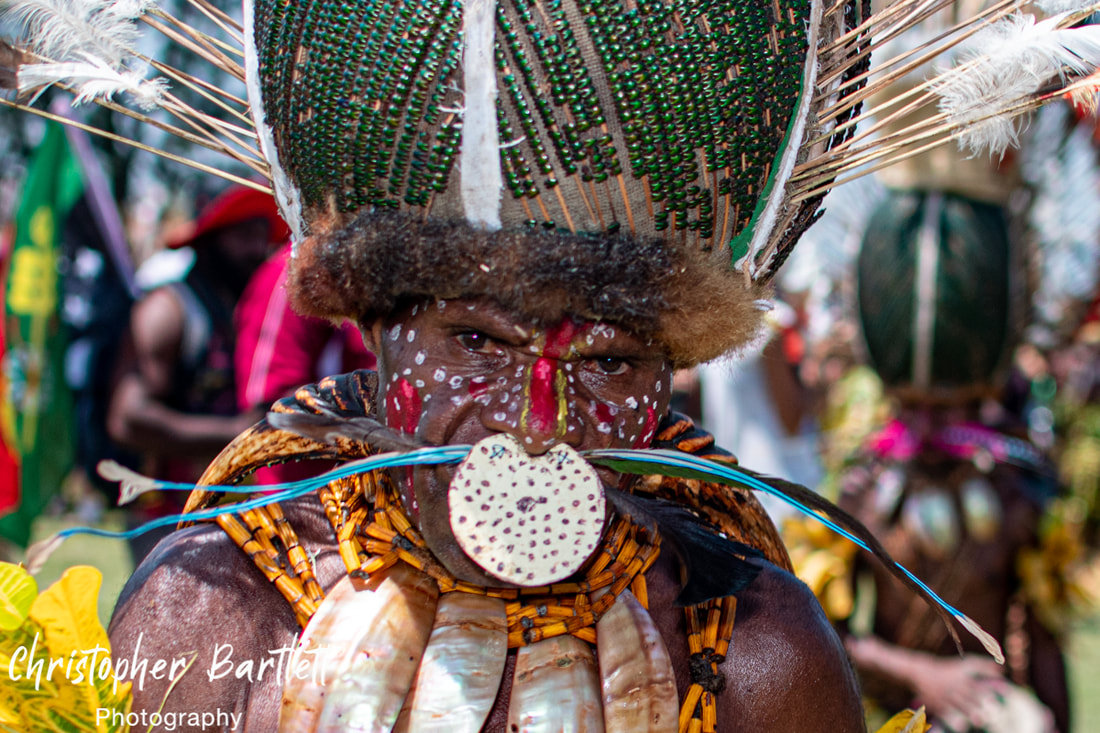
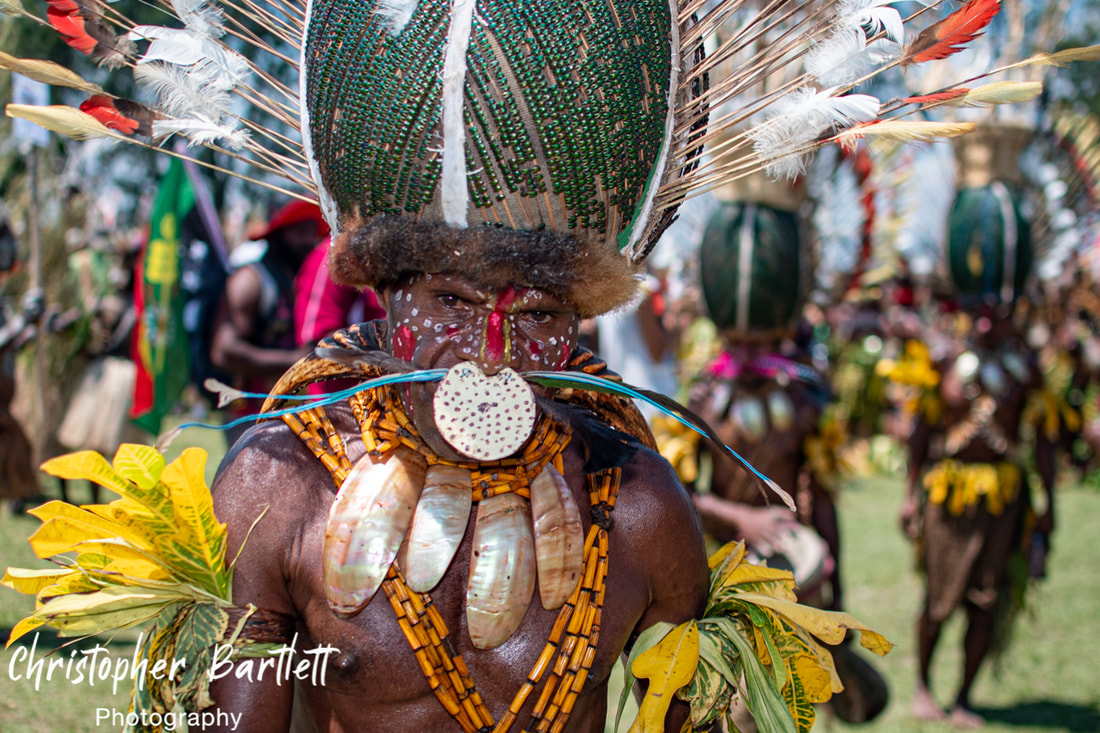
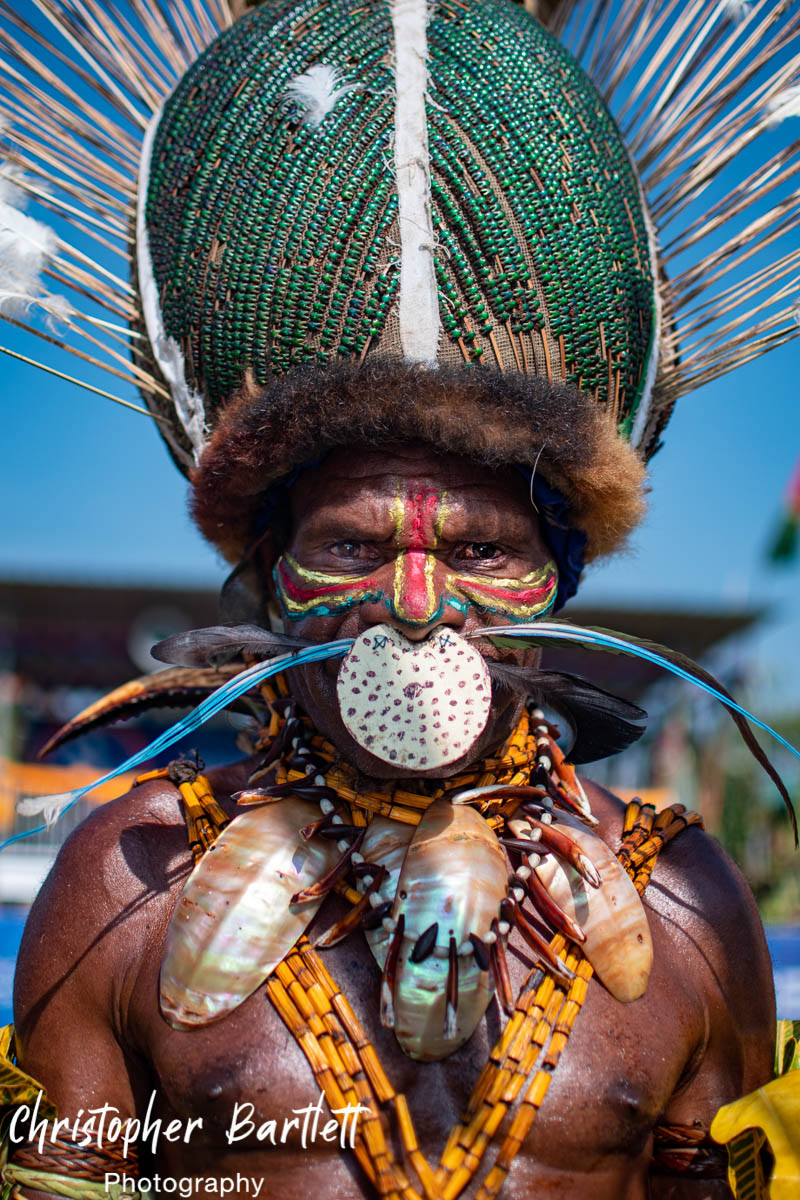
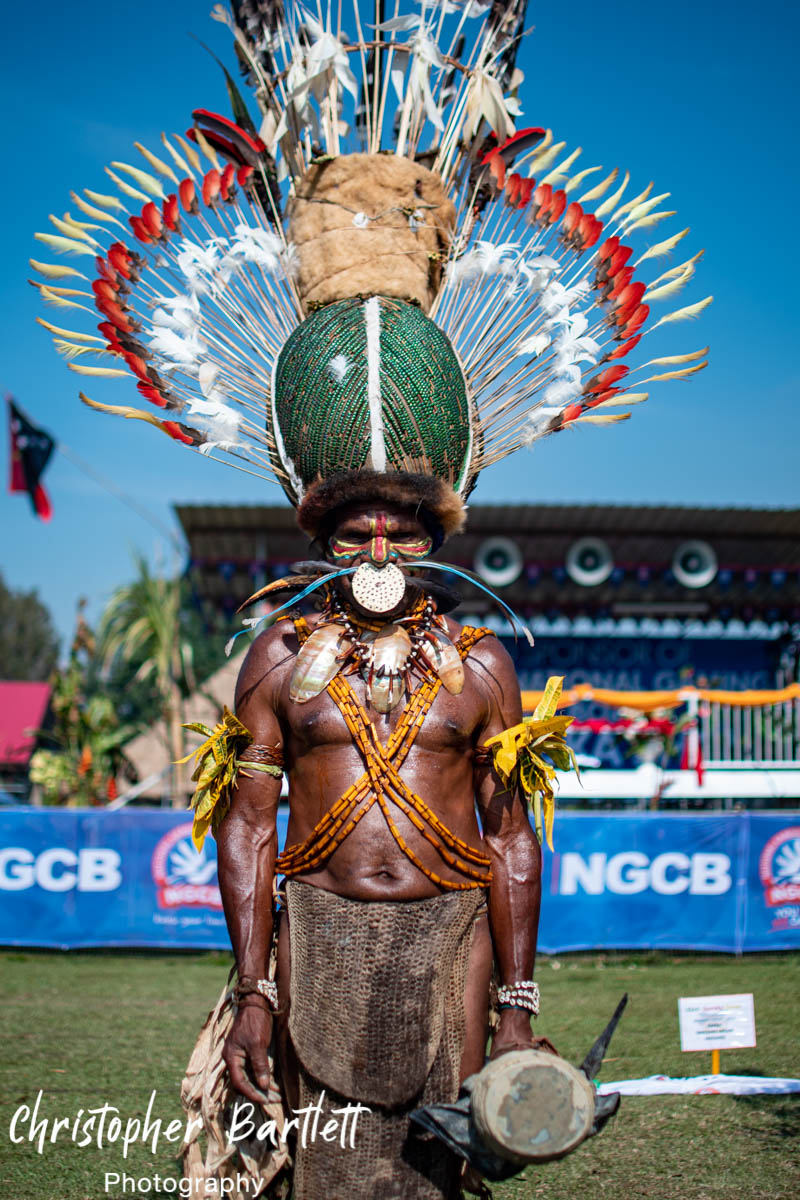
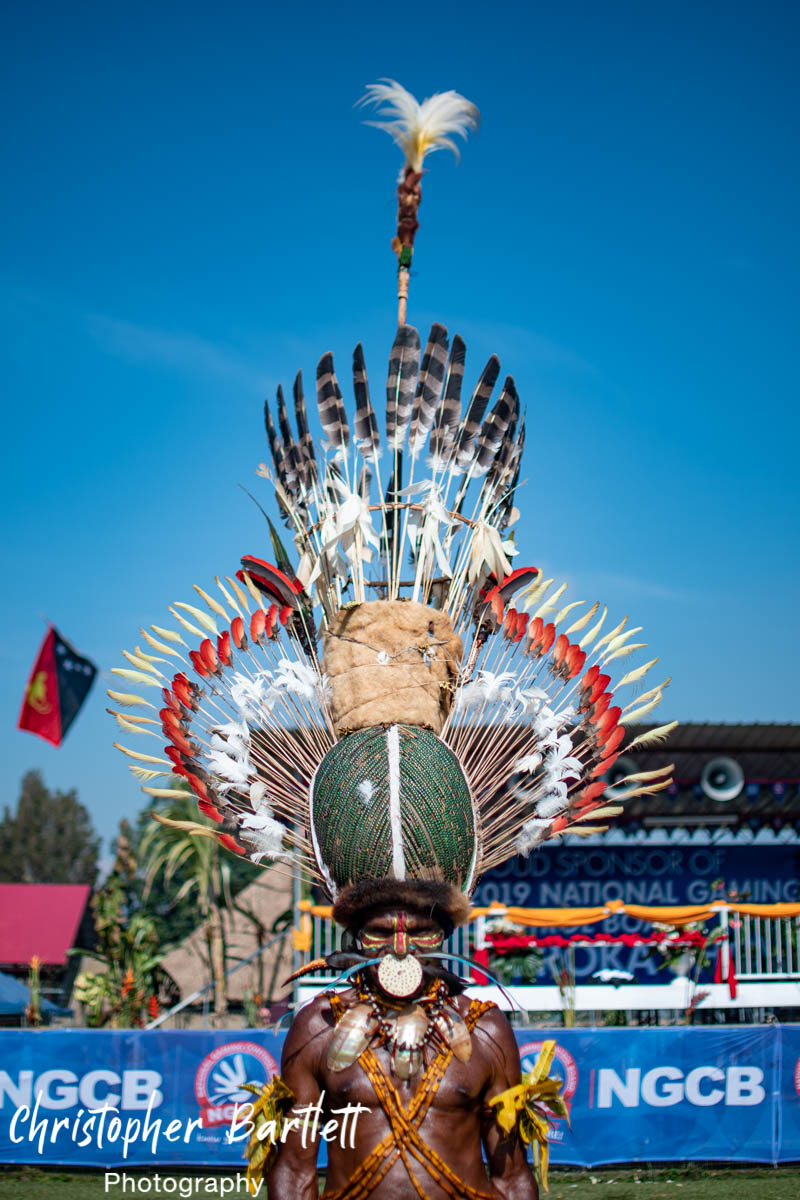
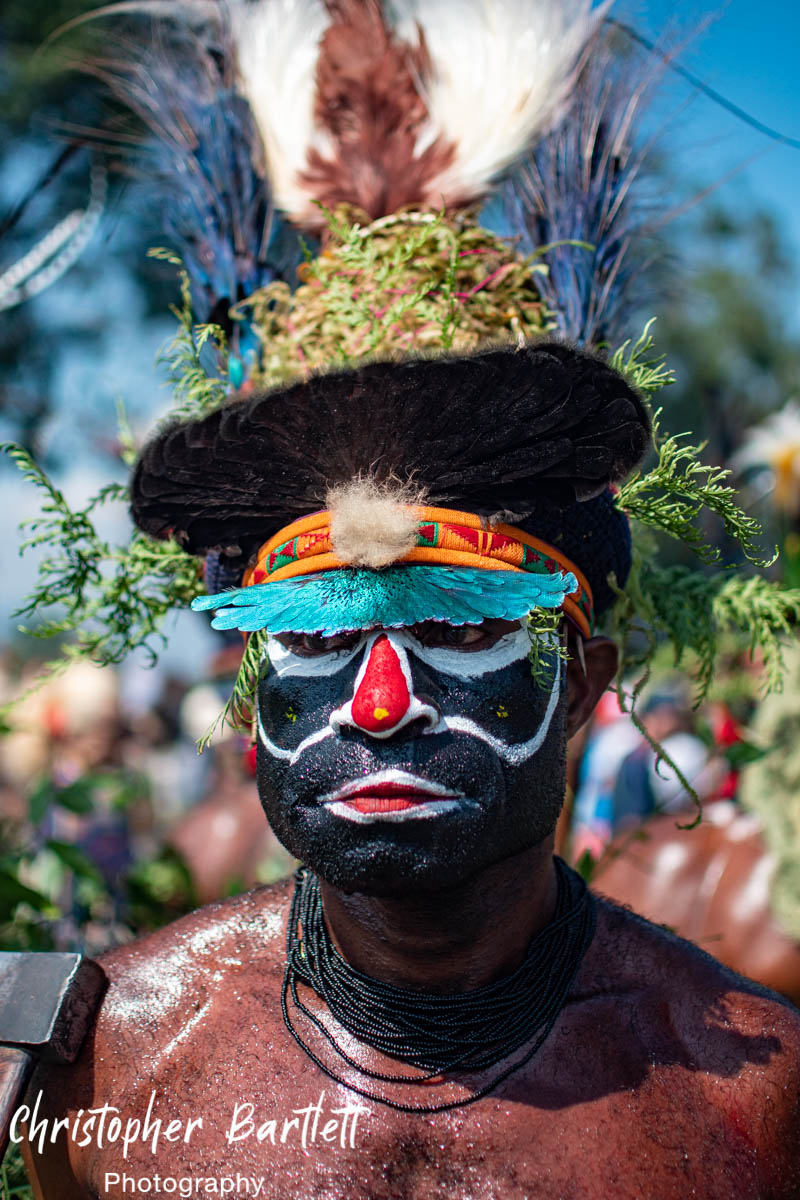
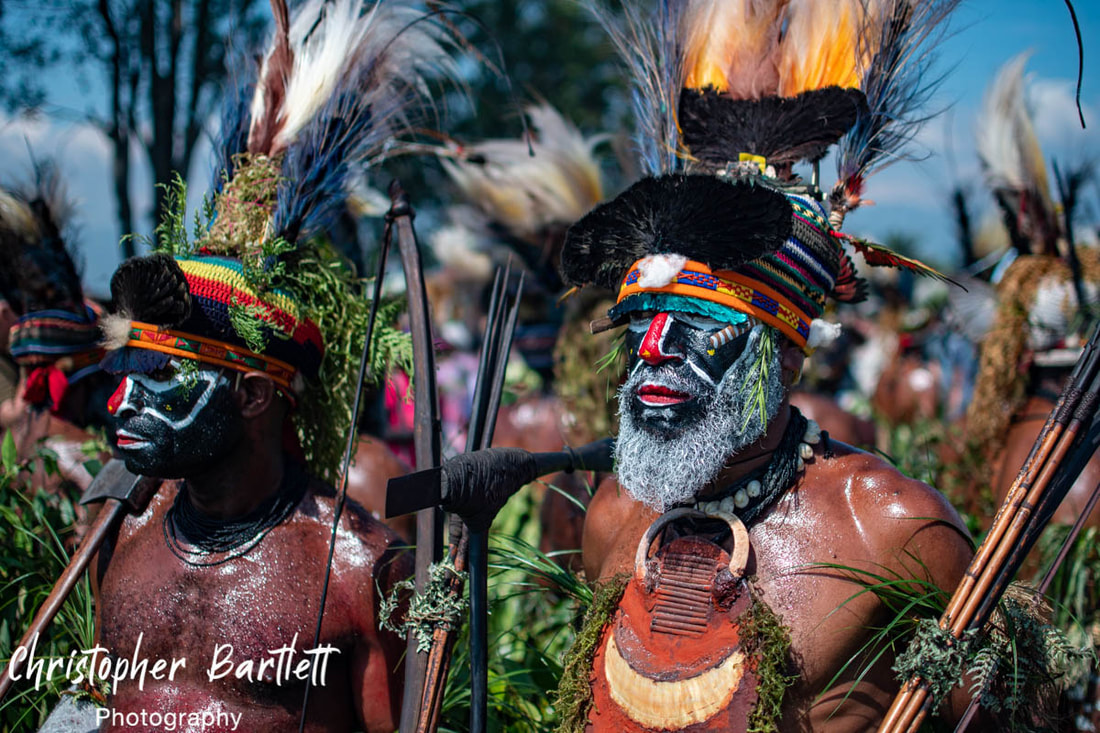
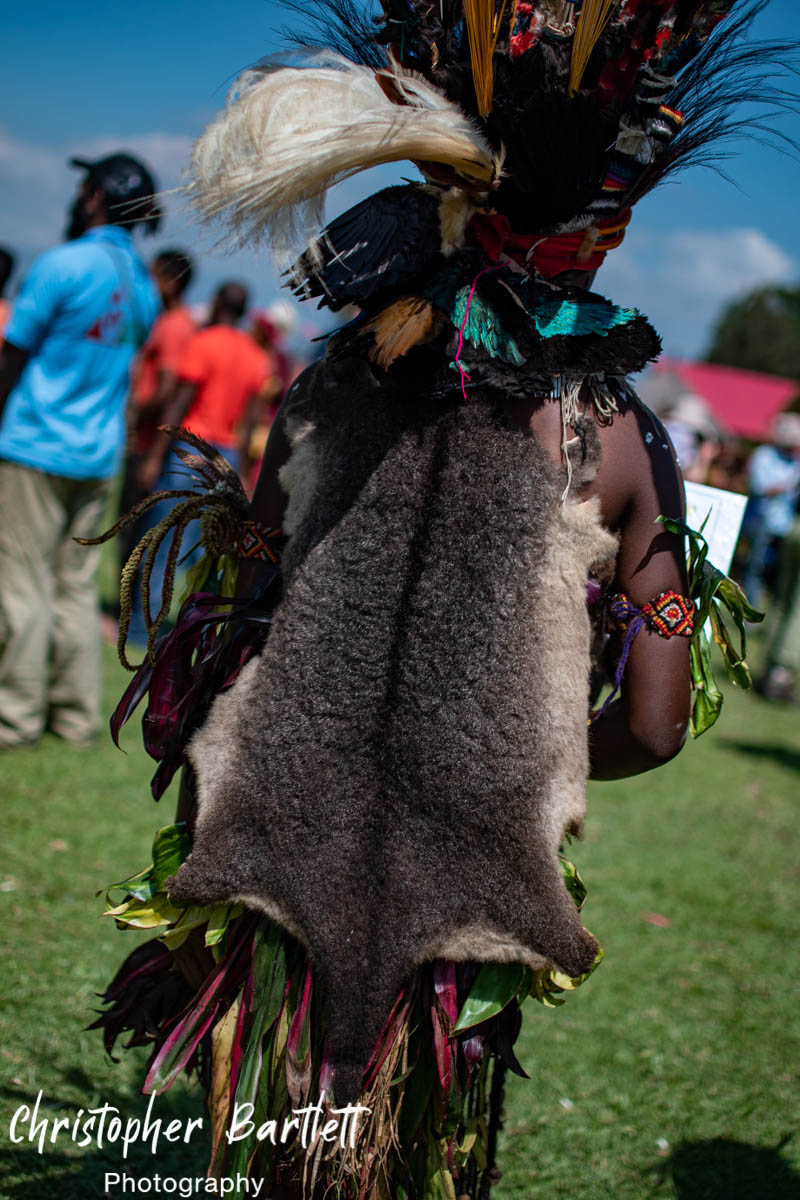
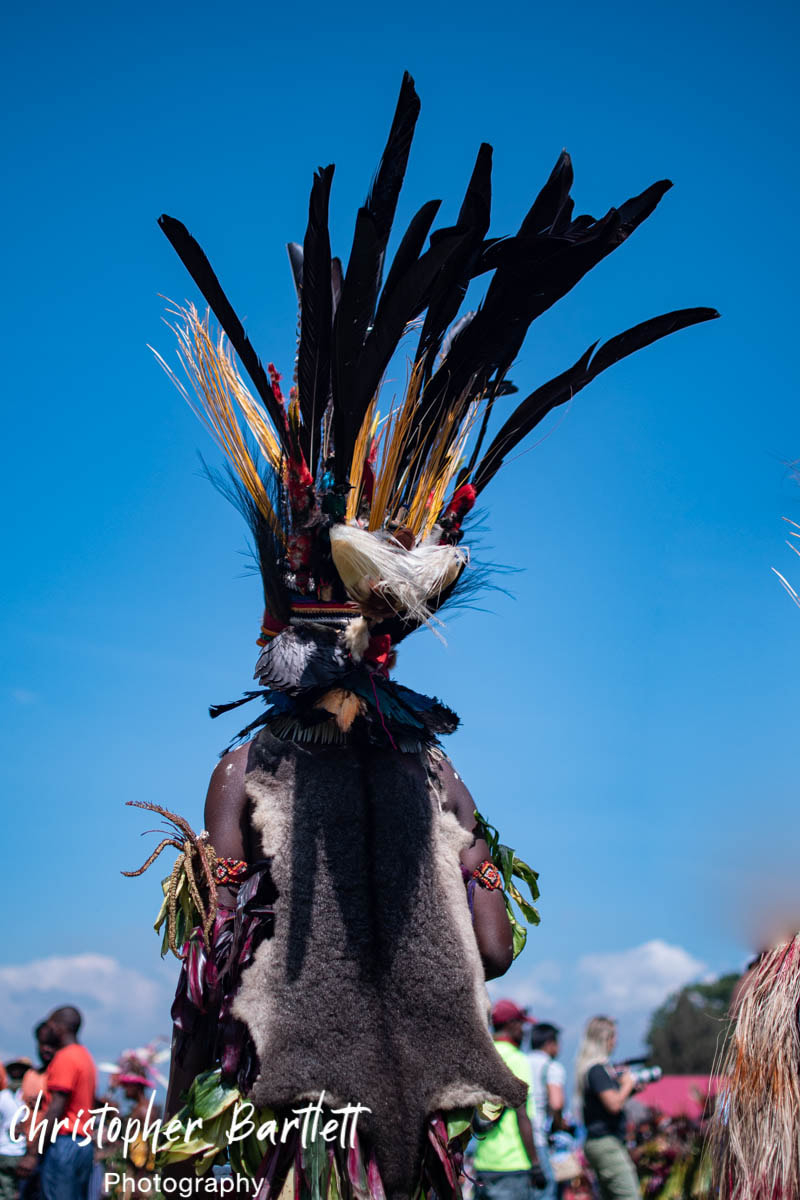
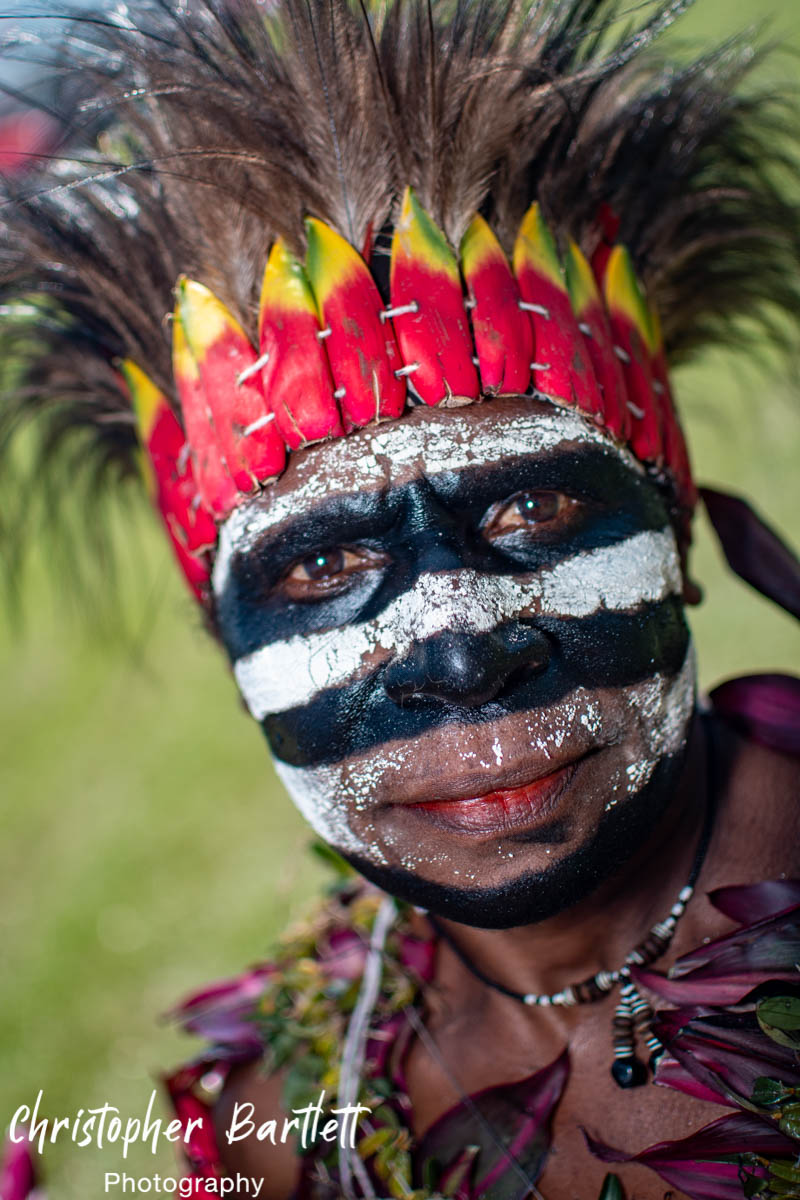
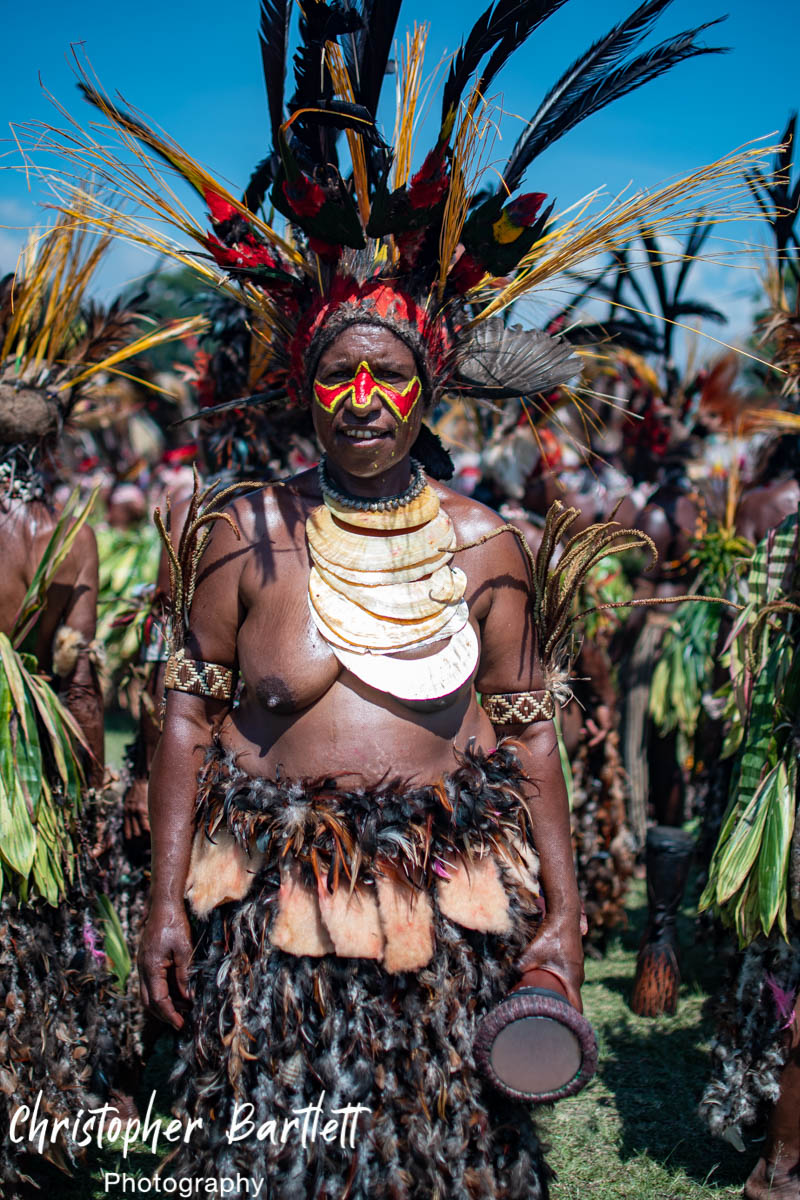
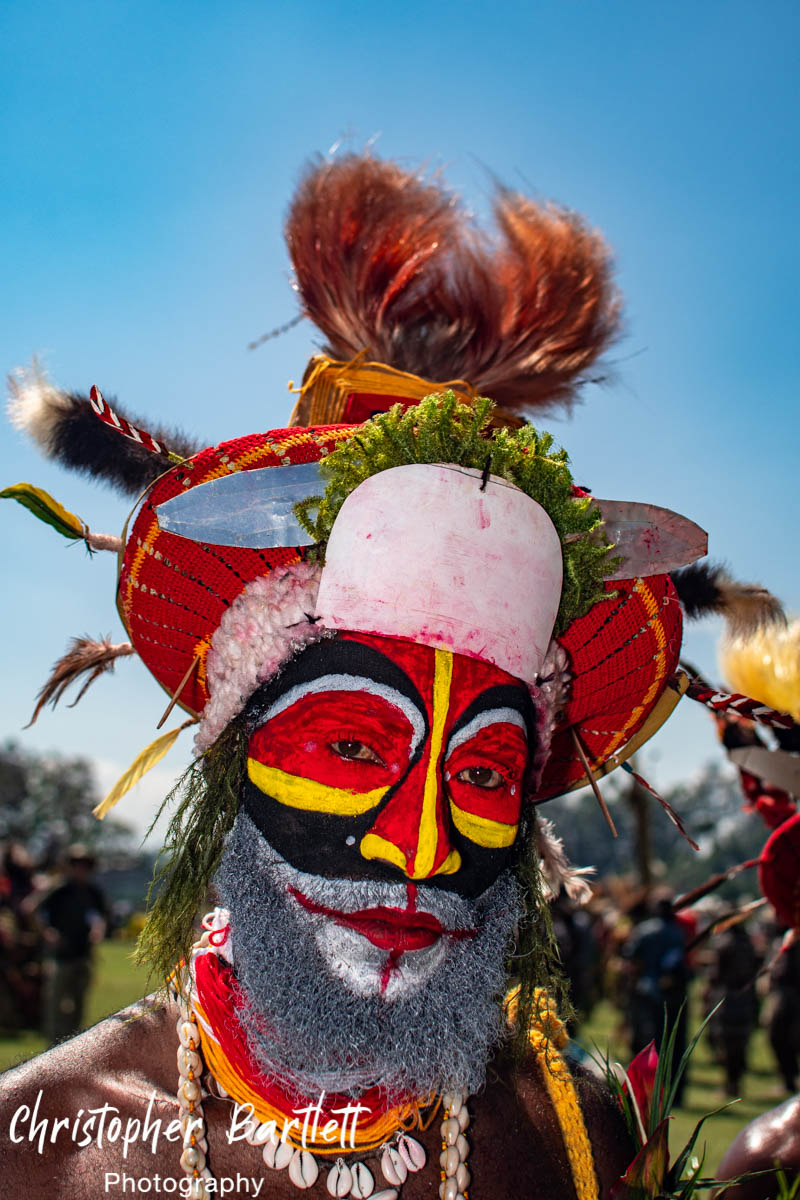
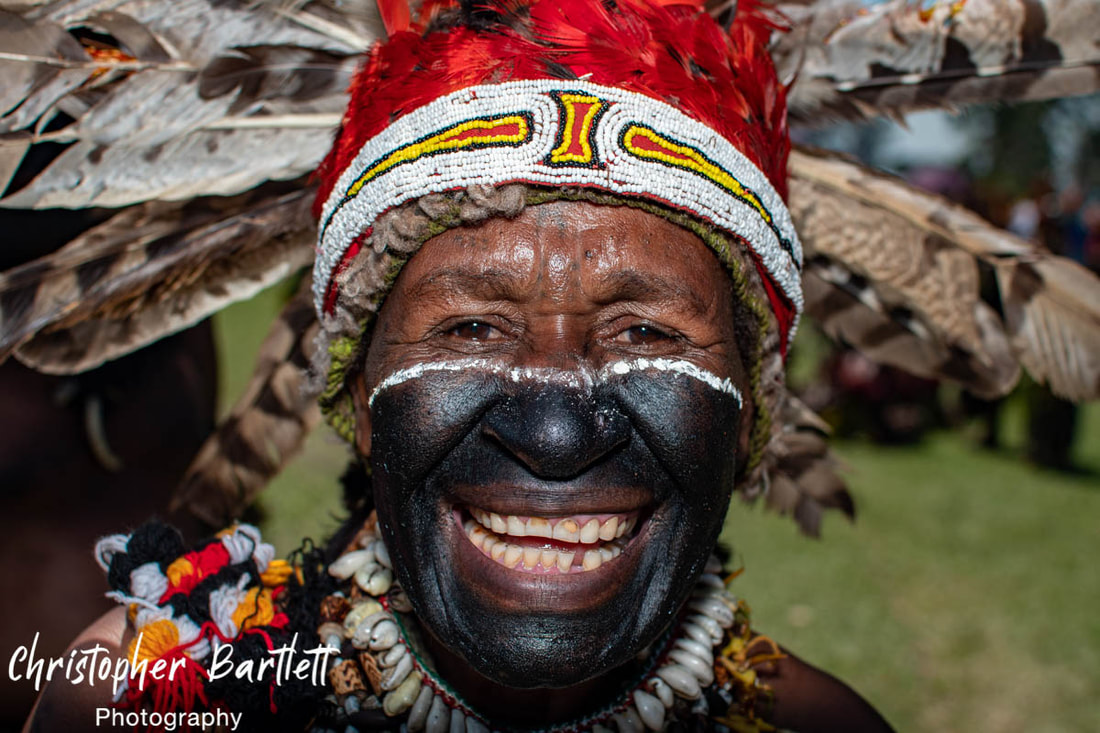
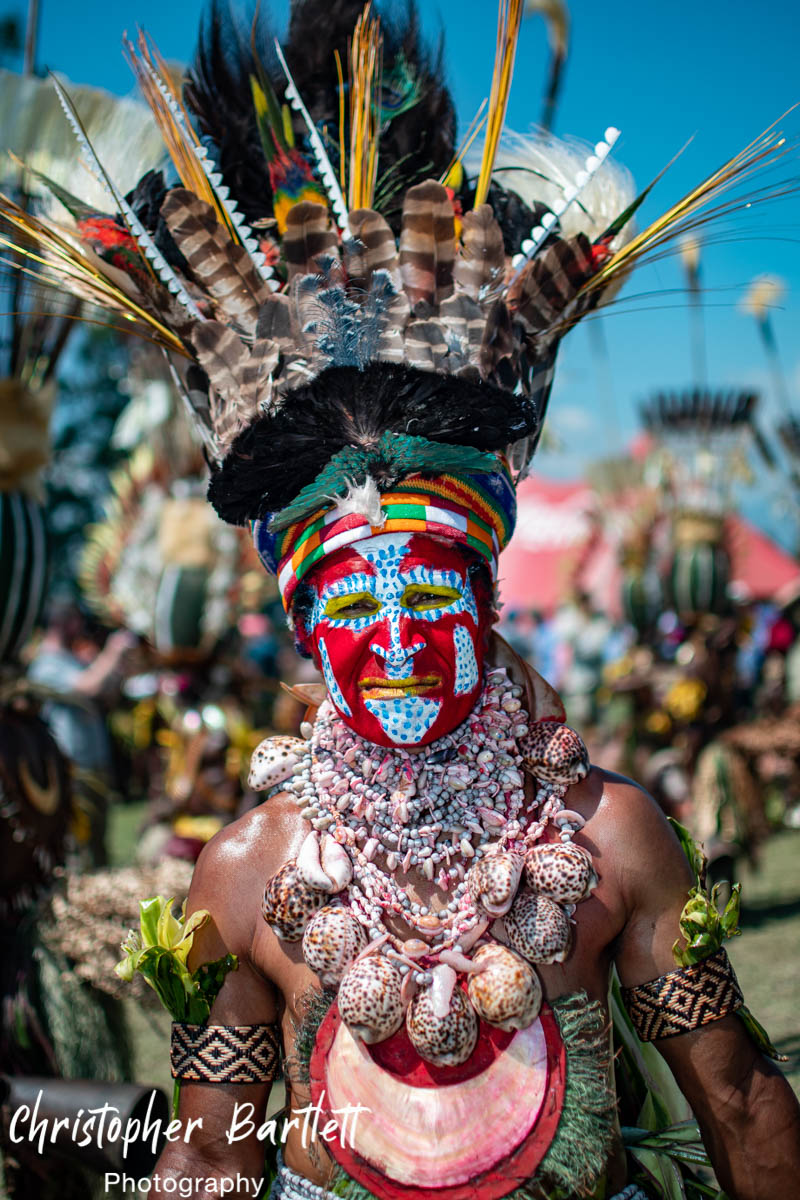
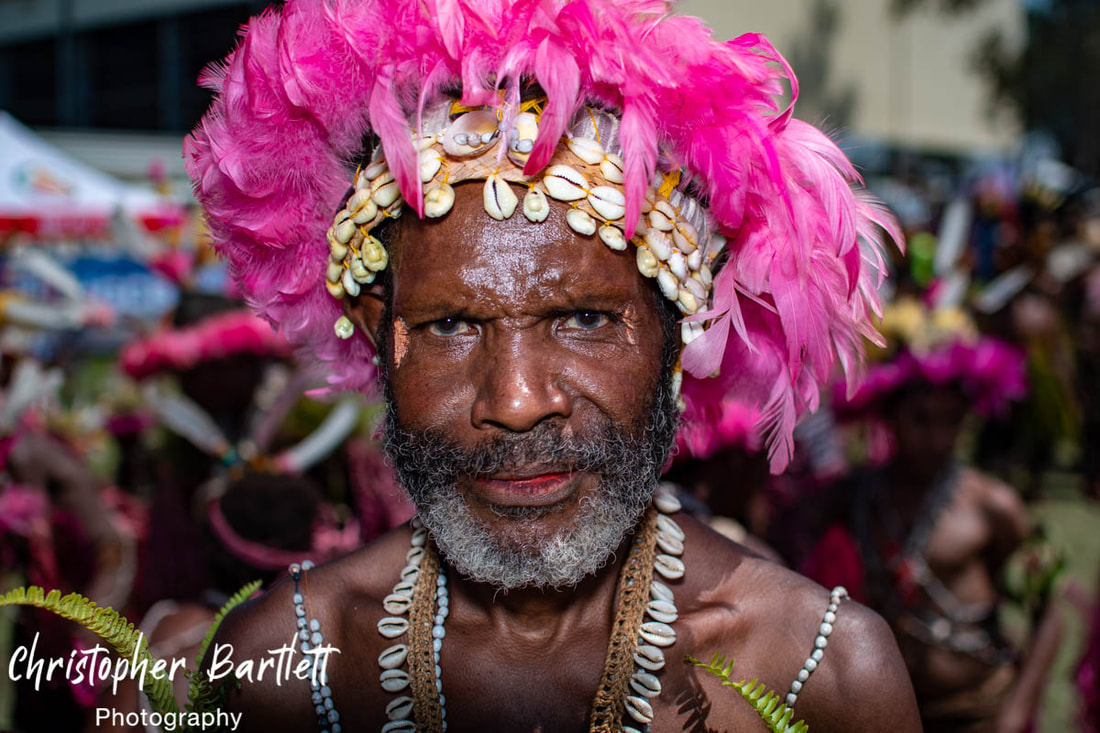
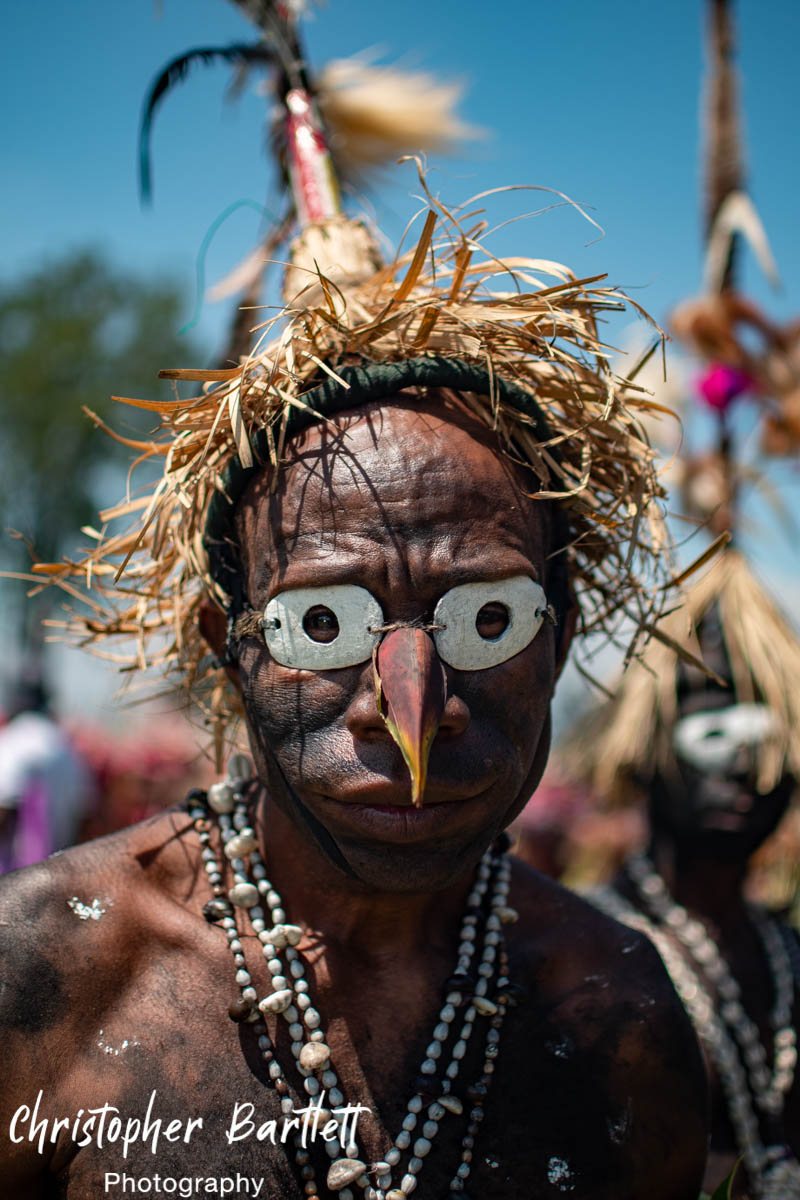
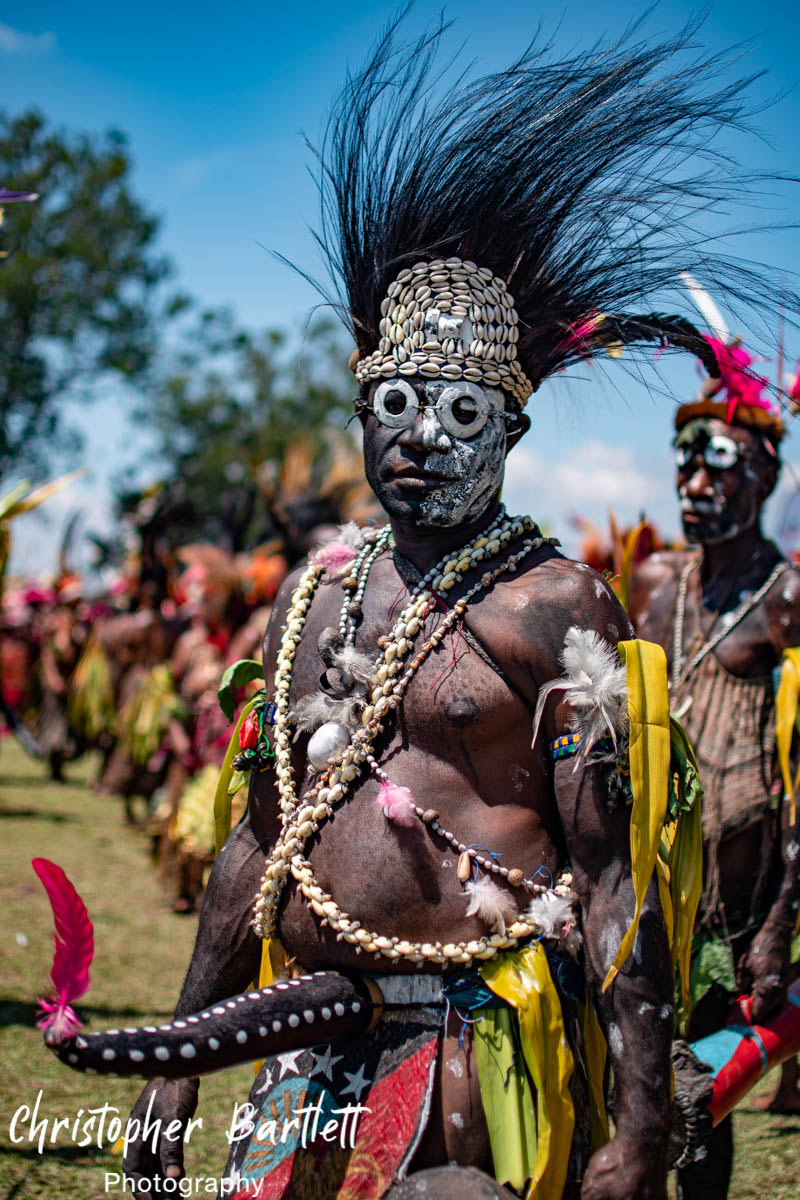
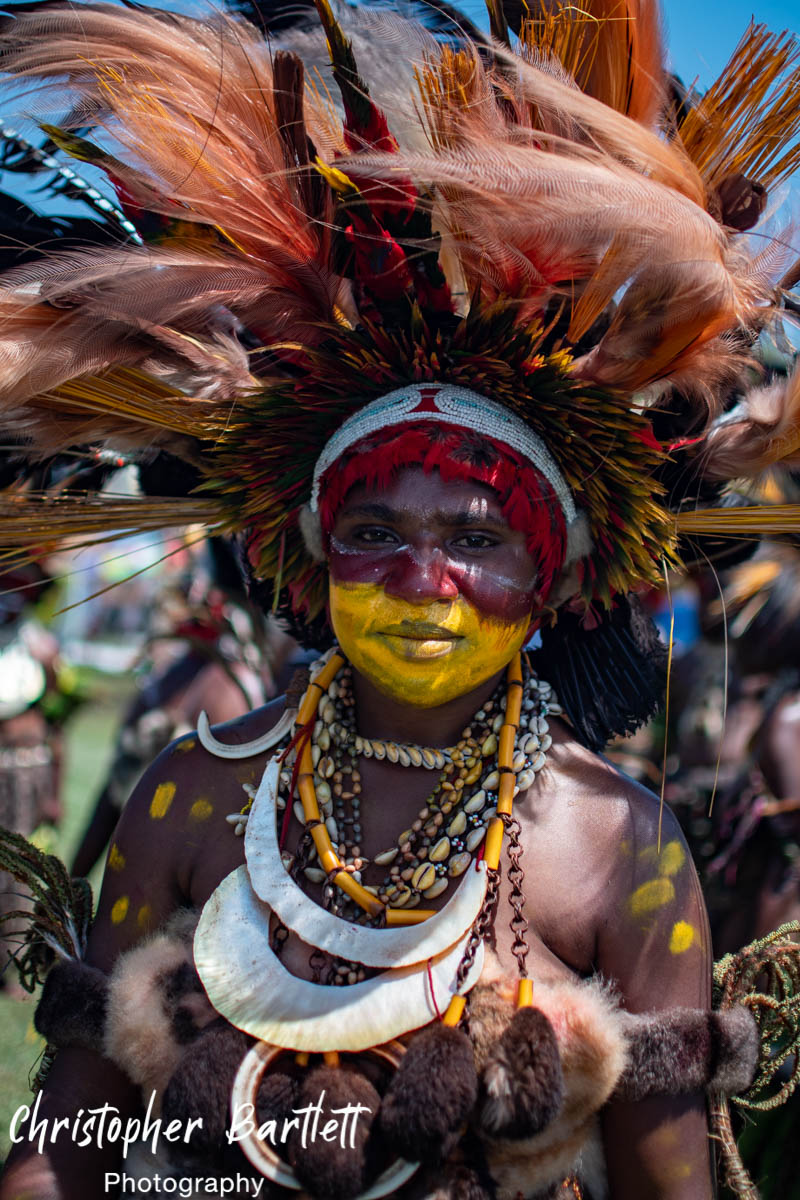
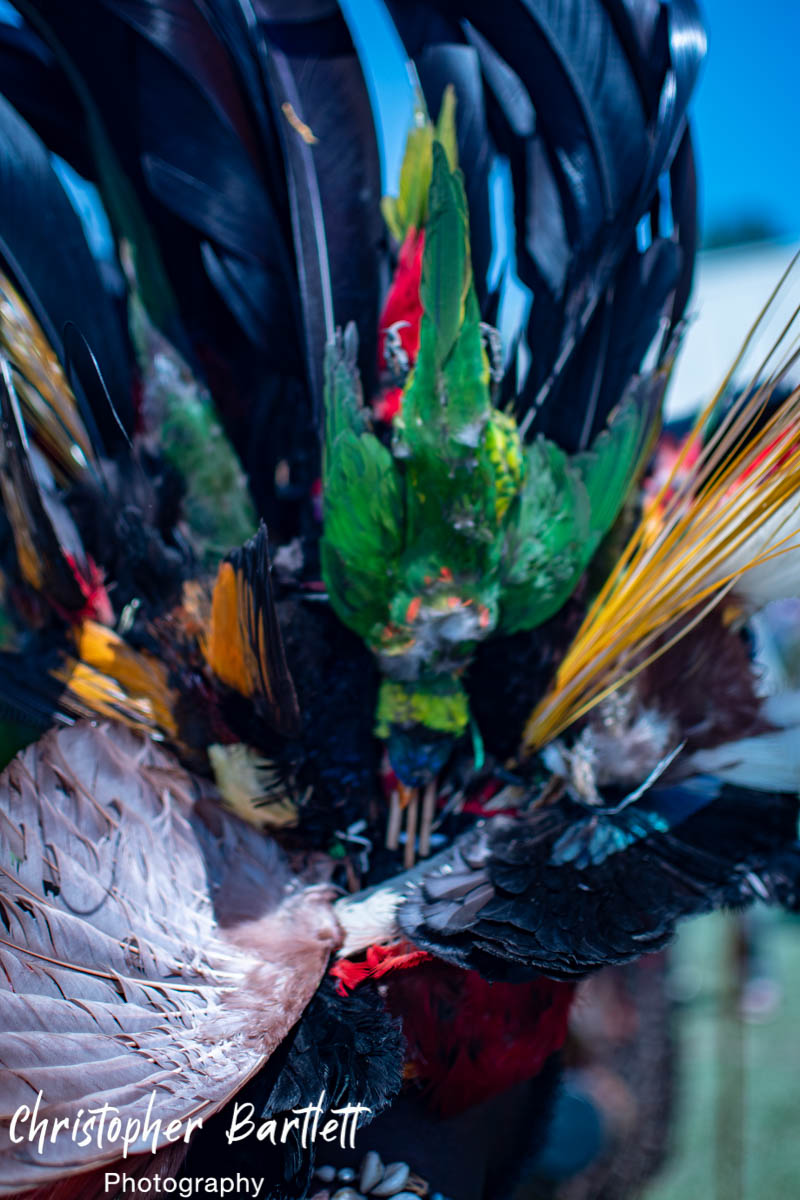
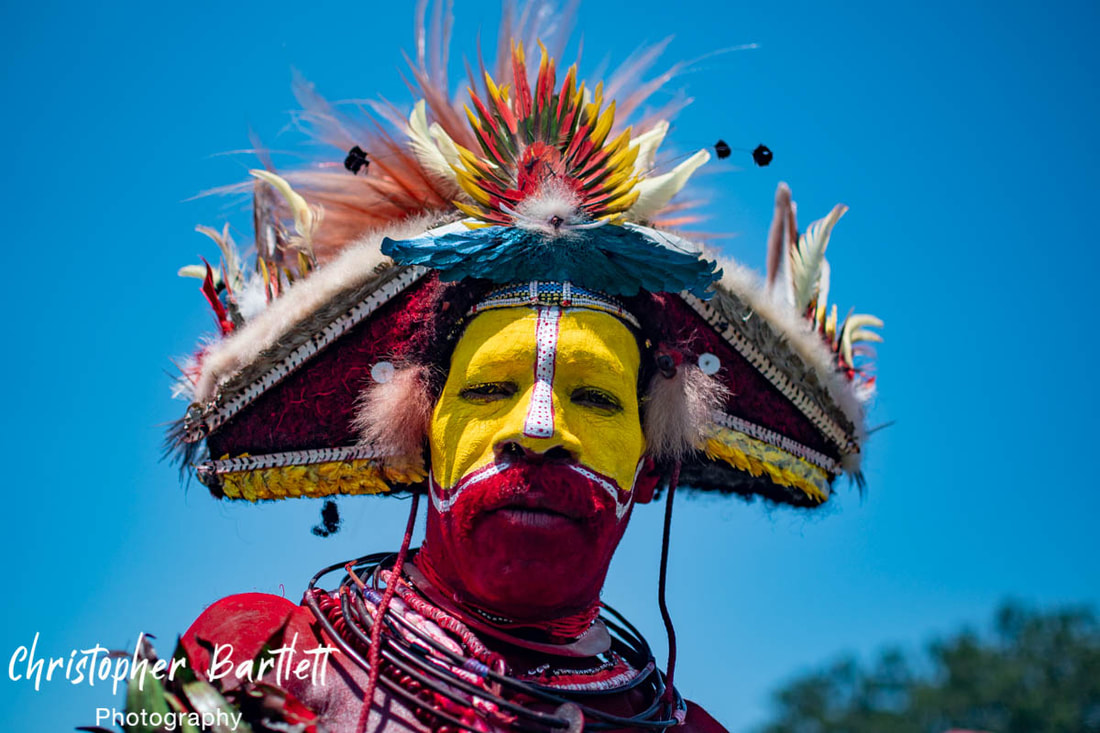
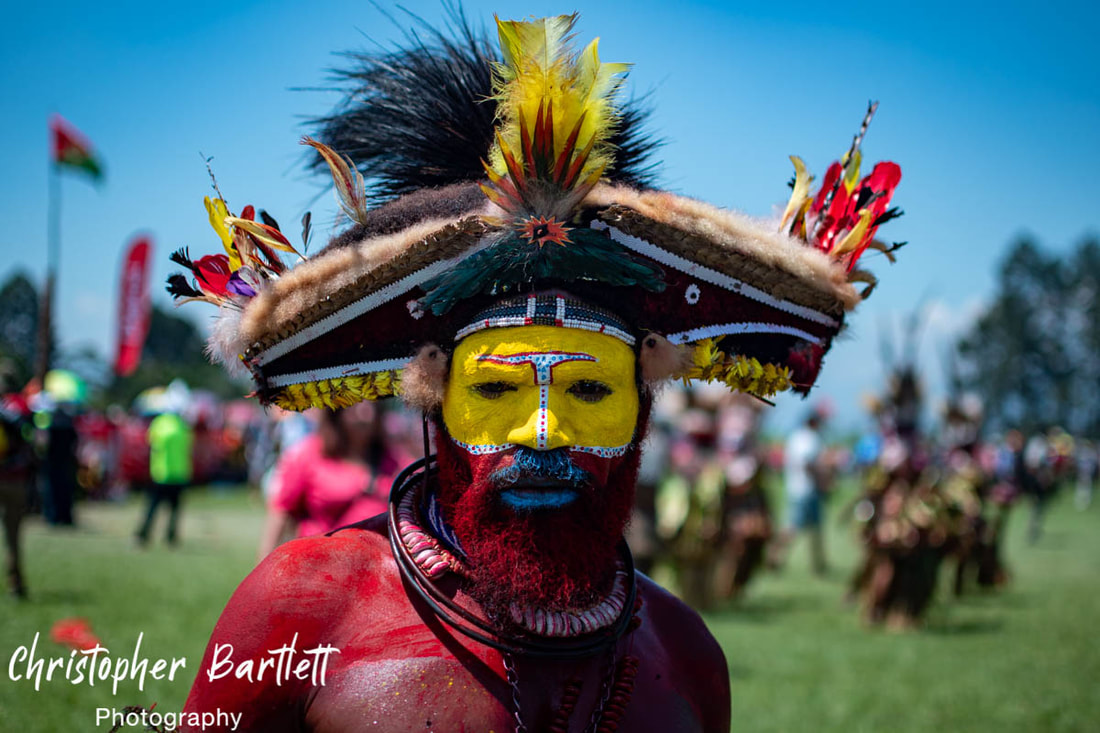
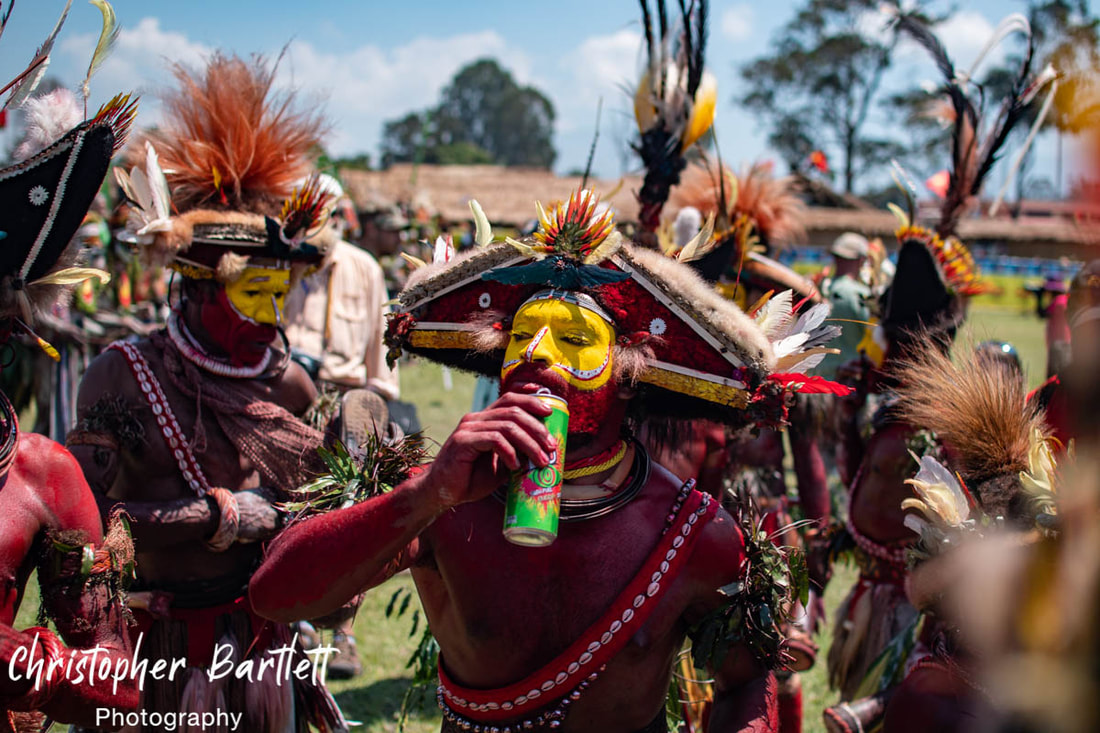
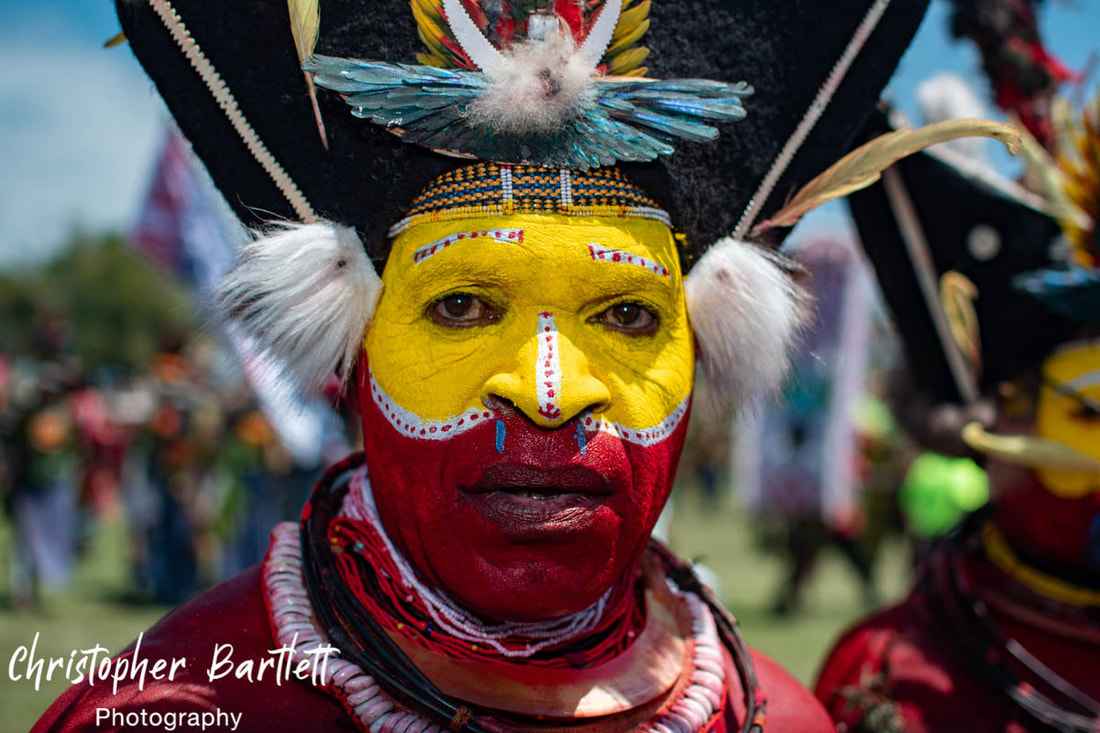
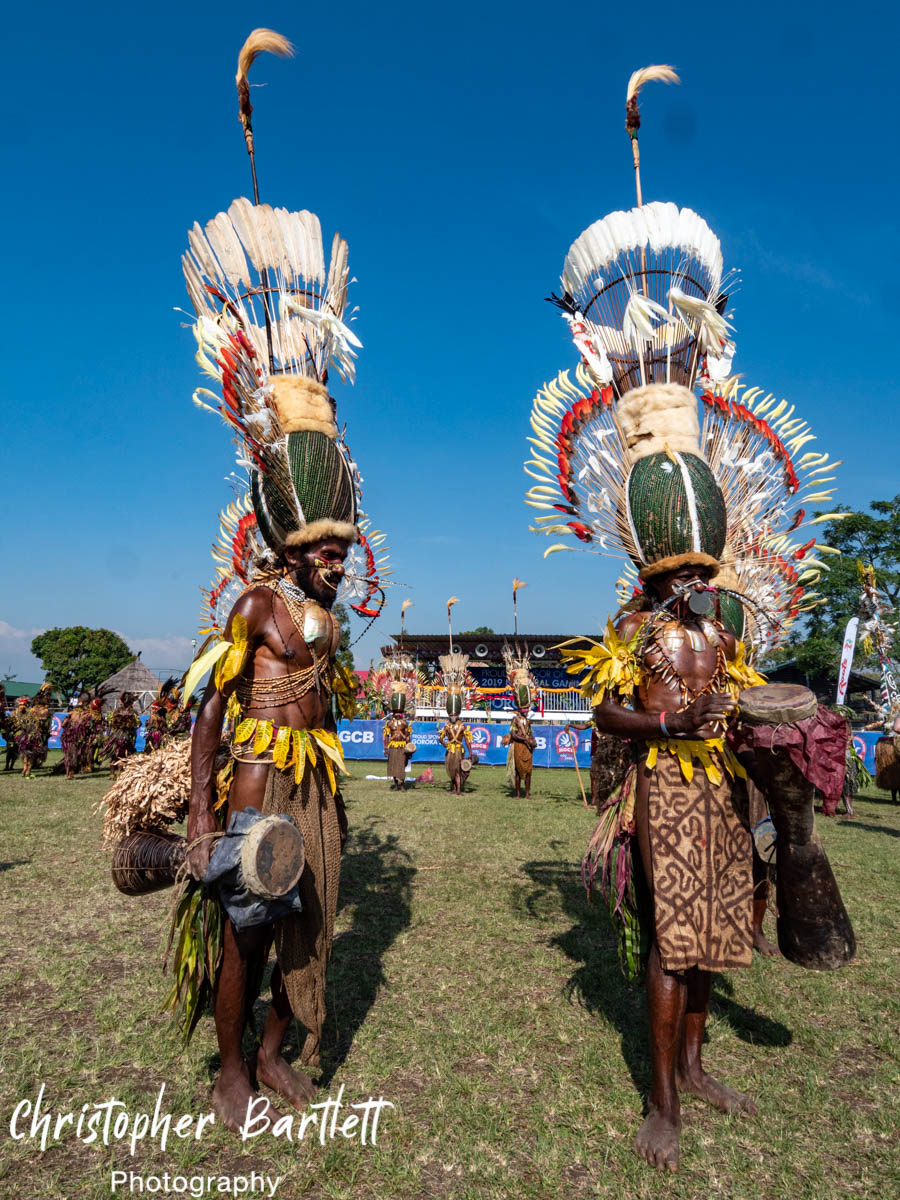
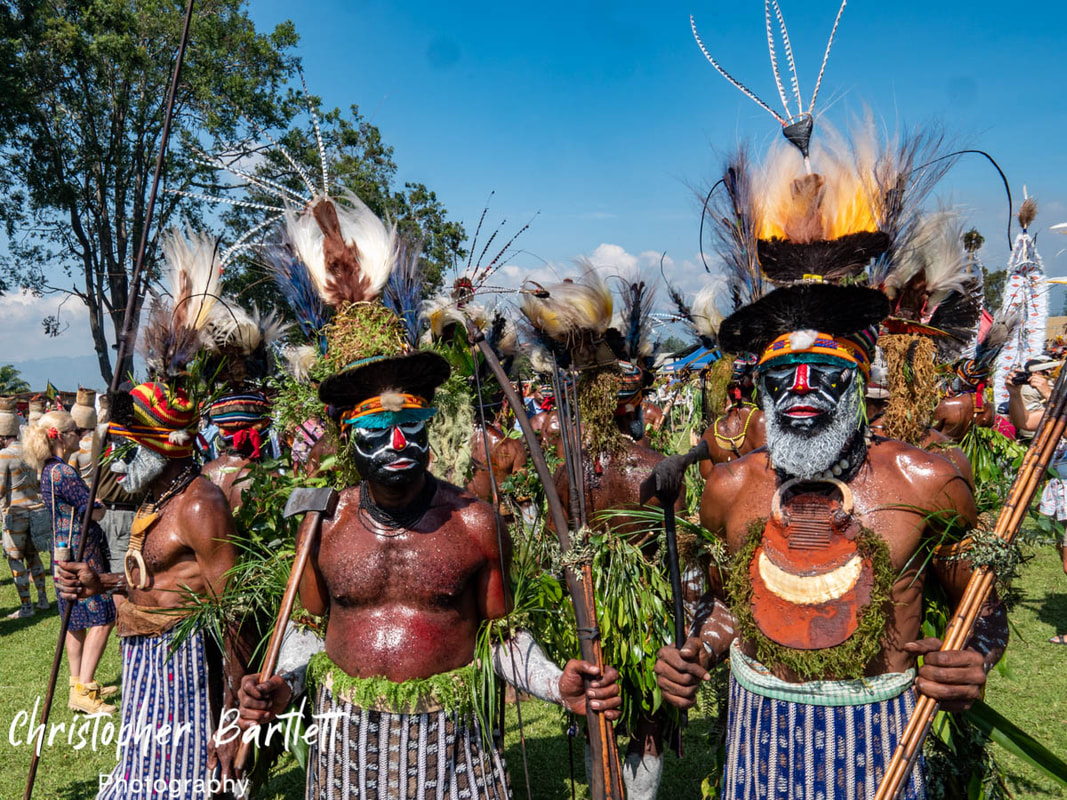
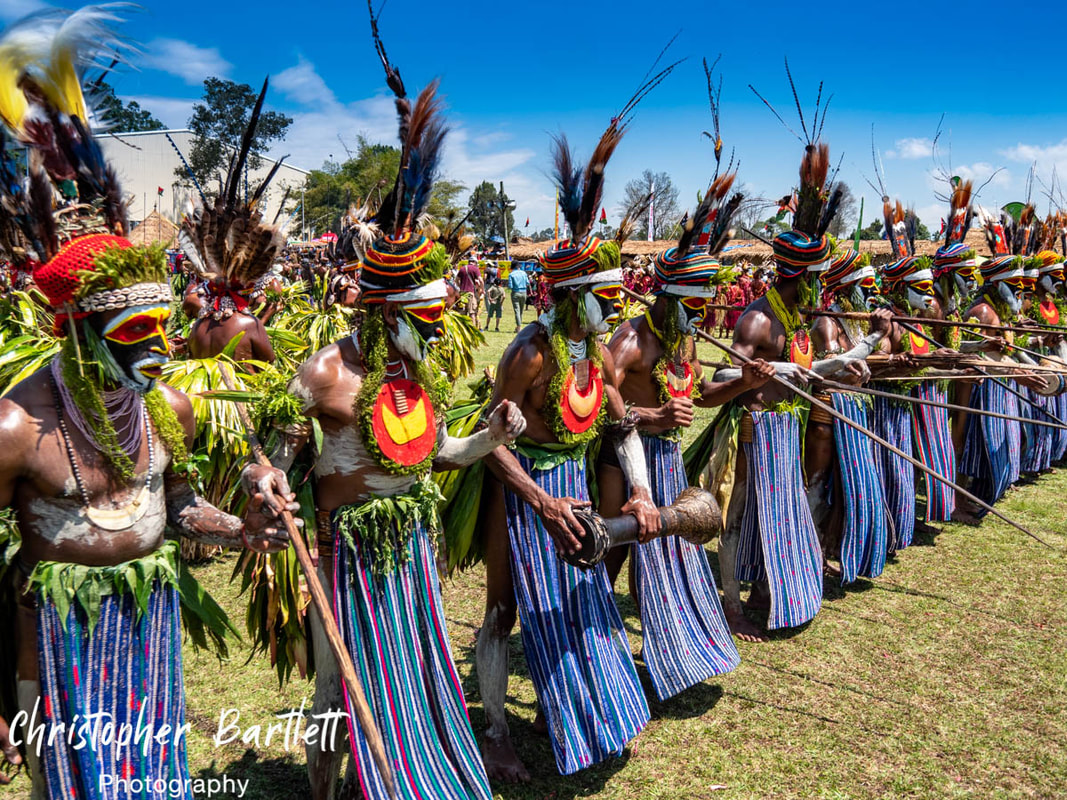
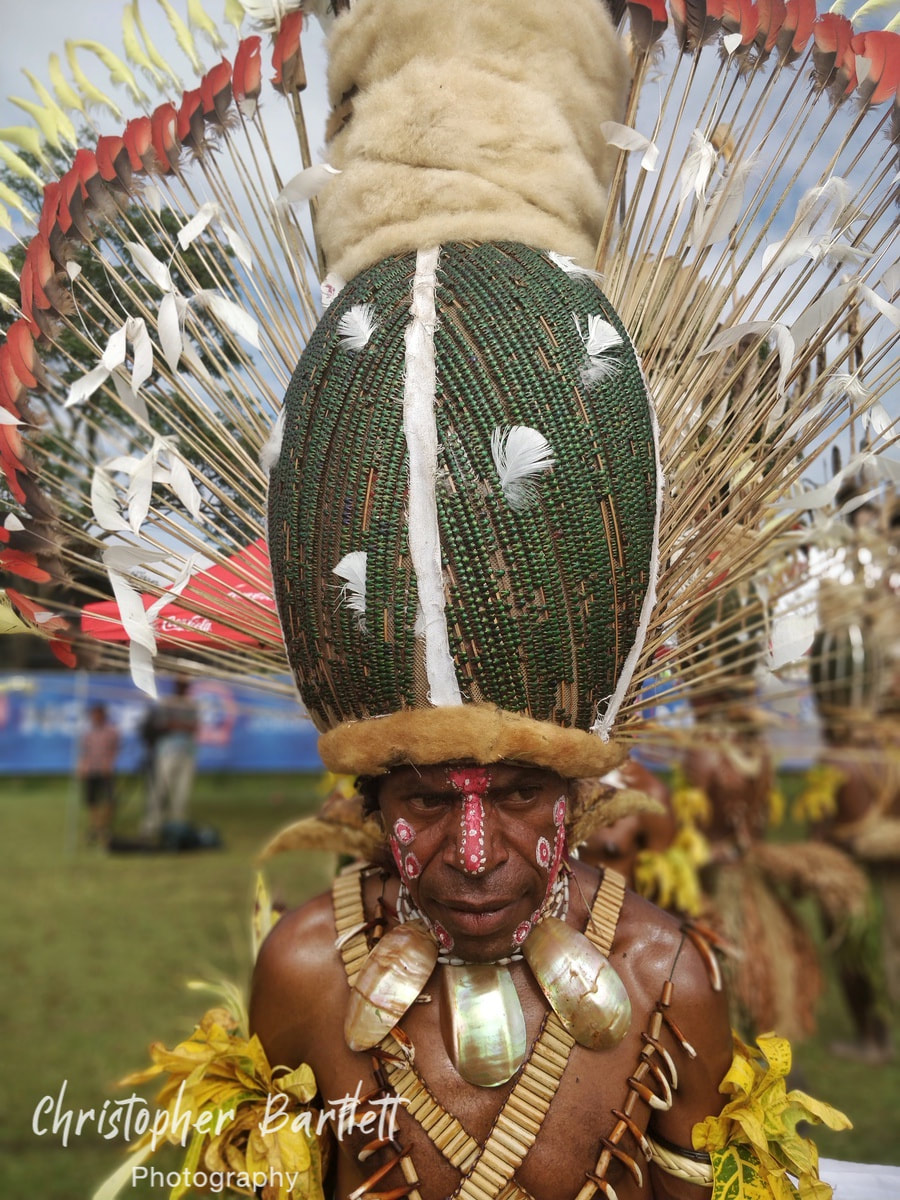
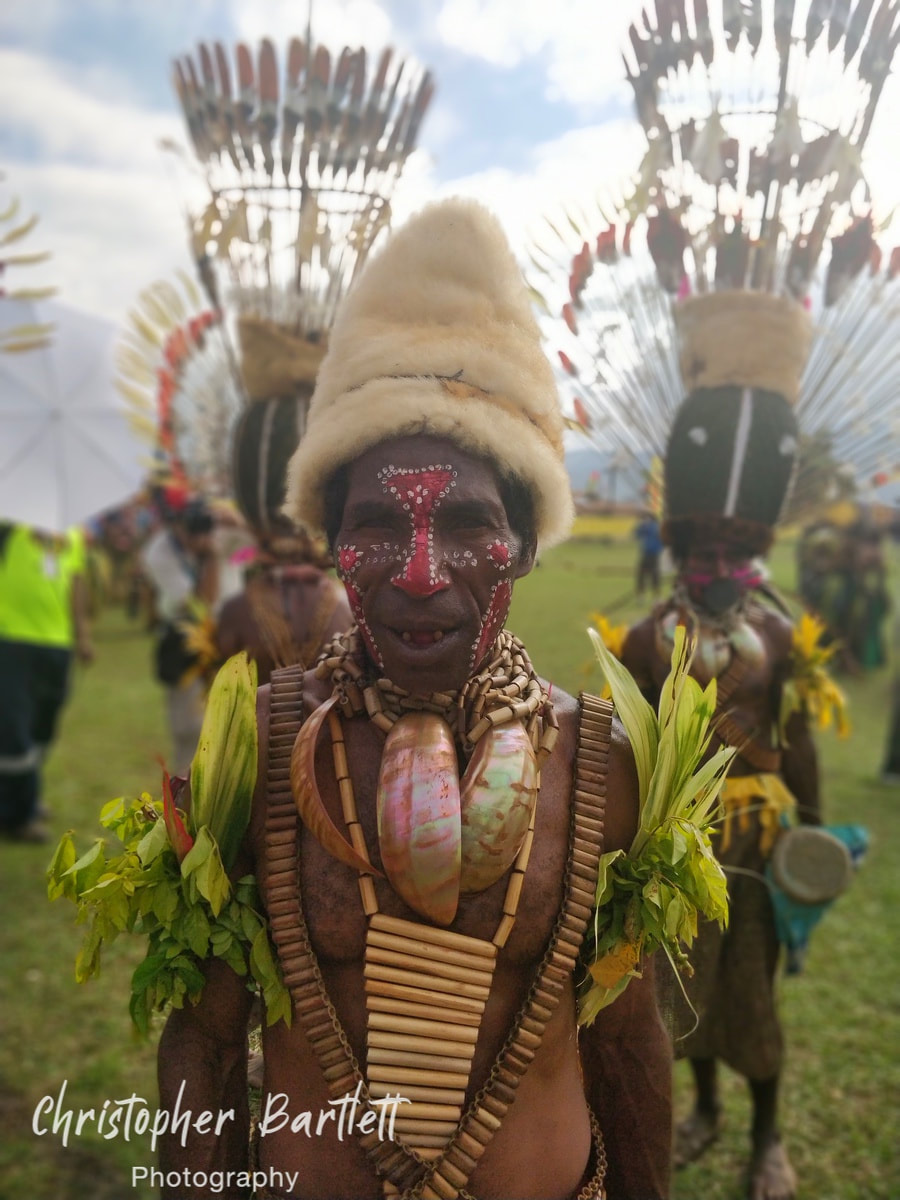
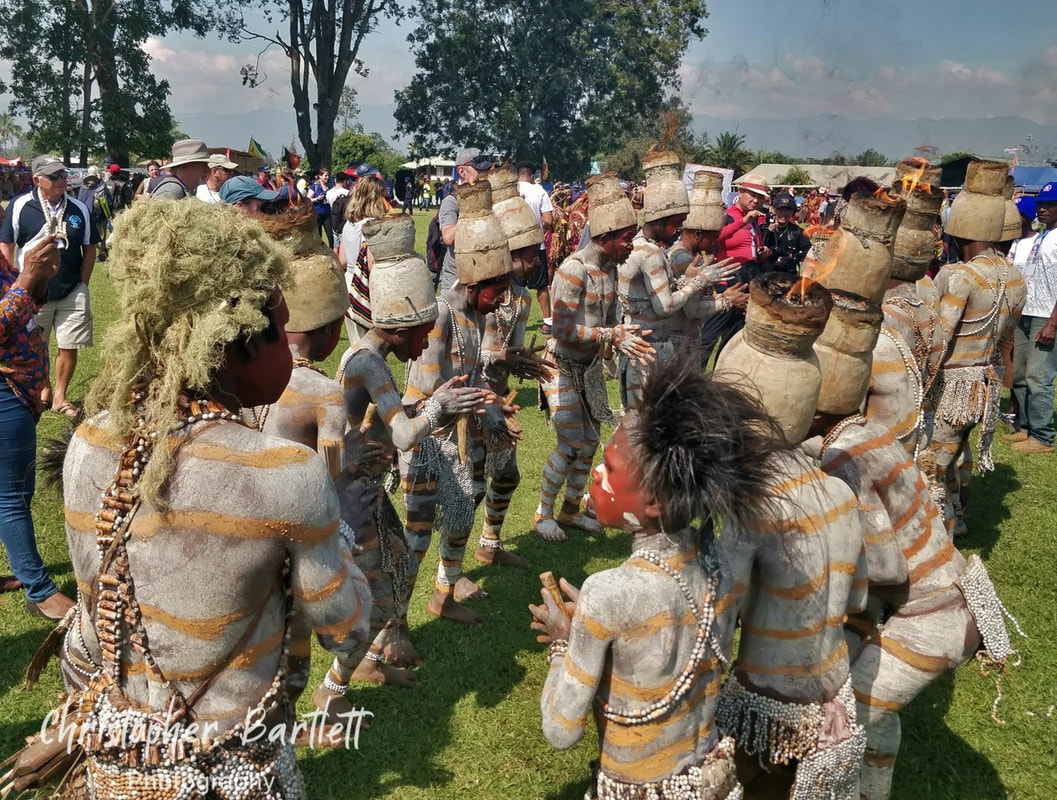
Over time, sexual selection influenced the feathers and displays of these birds. Females favored particular features in potential mates, contributing to the development of wires, capes, and fans. Their feathers also appear in local traditions. During a Highland “Sing-Sing,” dancers may wear headdresses made from these feathers as symbols of cultural identity and ancestral pride.
Iconic Species to Seek Out
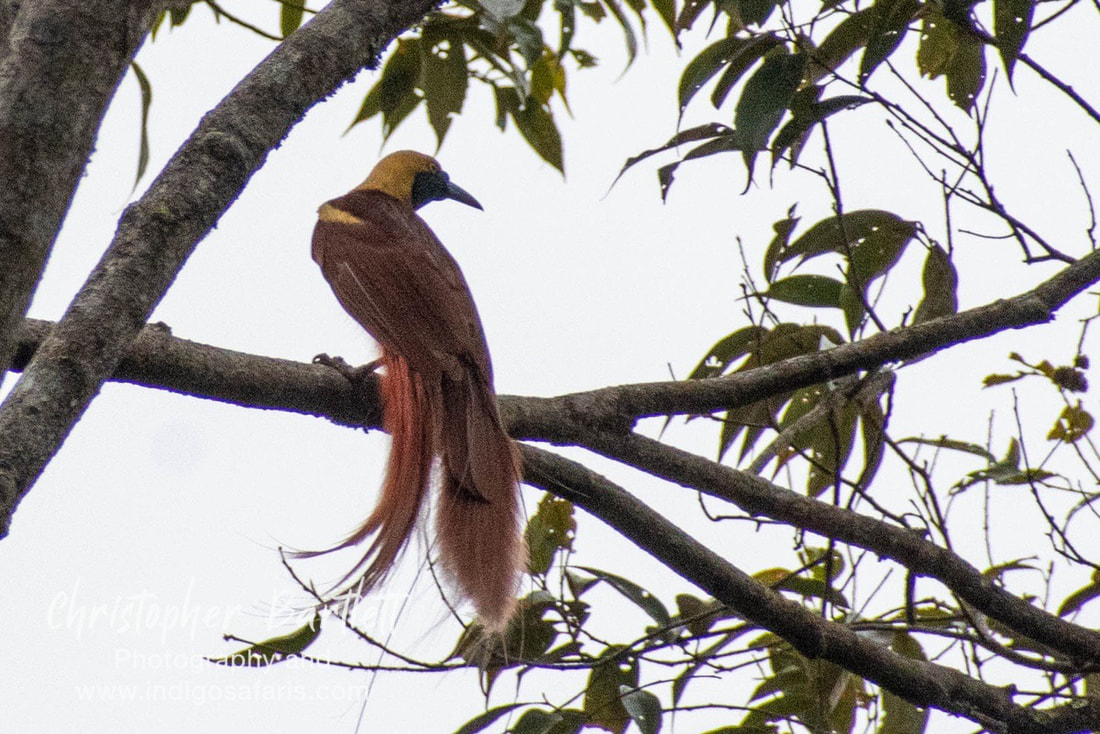
- The Raggiana Bird of Paradise: As the national symbol, this bird is well known. The males gather in the canopy and shake their orange plumes to attract females.
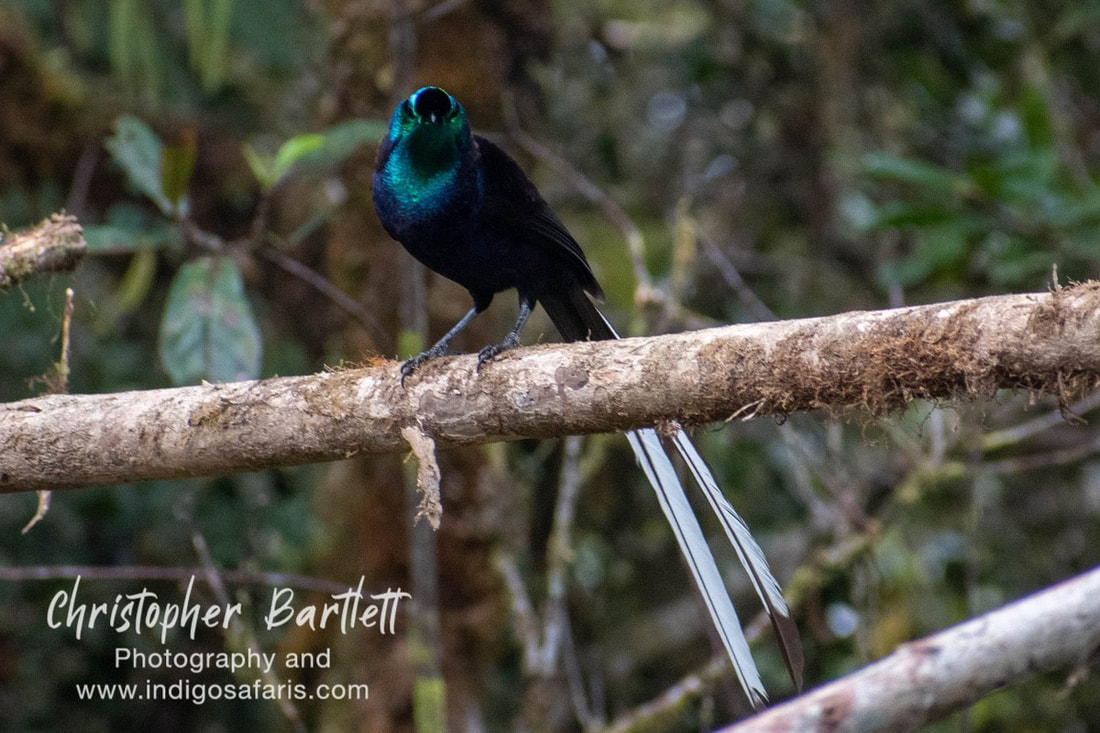
- The Blue Bird of Paradise: Its cobalt feathers and long tail wires make it identifiable in the forest.
- The Wilson’s Bird of Paradise: This species favors the forest floor. It has a turquoise cap and performs on a patch of earth it clears.
Regions for Bird Watching
The Tari Valley is a destination for those hoping to see several species in a single morning. Its range of elevations supports a variety of the wildlife of Papua New Guinea. In the high-altitude forests of Mount Hagen, you can search for the King of Saxony bird, which has two long head-wires that it can move independently. Ambua Lodge provides a base for bird watchers, with guides and access to suitable habitat. You can also explore our itineraries when planning a visit.
Tree Kangaroos and Other Marsupials
In the cloud forests of the Huon Peninsula and the Torricelli Mountains, the wildlife of Papua New Guinea includes the Tree Kangaroo, specifically Matschie’s and Goodfellow’s species. Unlike their Australian cousins that move across open plains, these marsupials live in trees. They are difficult to observe, and the Tenkile Conservation Alliance refers to them as the ghosts of the forest. They belong to a marsupial lineage with a long evolutionary history.
Tree Kangaroo Adaptations
A Tree Kangaroo’s shortened hind limbs and long tail help it balance in the forest. Curved claws allow it to grip wet bark. These animals are well camouflaged, and a local guide can help identify signs such as leaf movement and feeding patterns. Spotting one can be difficult.
The Cuscus
As the sun sets, nocturnal animals emerge. The Cuscus, including the spotted and silky varieties, is one of these animals. Its large eyes suit low light, and its prehensile tail helps it remain in the canopy while it feeds on fruit and leaves. You may find Cuscus near eco-lodges in regions such as the Highlands or the Sepik. Along with the Sugar Glider, it forms part of the nighttime wildlife of Papua New Guinea.
- Tree Kangaroo: Found primarily in the Huon Peninsula and Torricelli Mountains.
- Cuscus: Best viewed during guided night walks near eco-lodges.
- Sugar Glider: Small, nocturnal marsupials known for their gliding membranes.
- Conservation: The Tenkile Conservation Alliance protects 185,000 hectares of habitat.

Reptiles and Marine Life
The wildlife of Papua New Guinea is also found in its rivers and in the waters of the Bismarck Sea. The saltwater crocodile is a major predator, and the Crocodile Monitor lives along riverbanks. This lizard can exceed 16 feet in length and may be larger than the Komodo Dragon in total size. It is rarely seen by outsiders.
The Crocodile of the Sepik
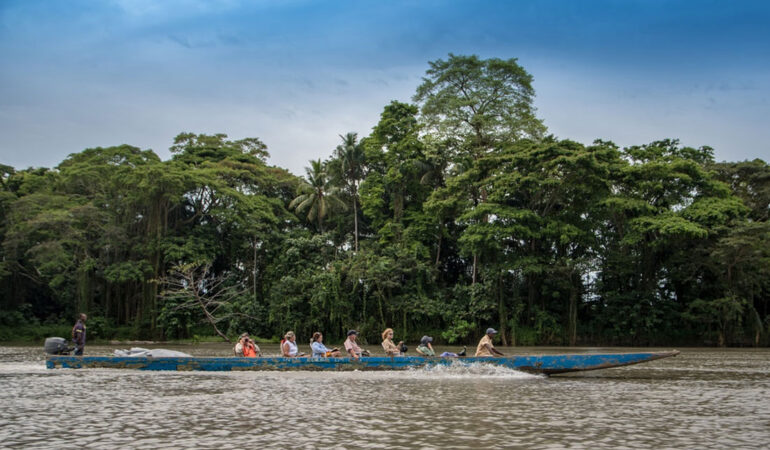
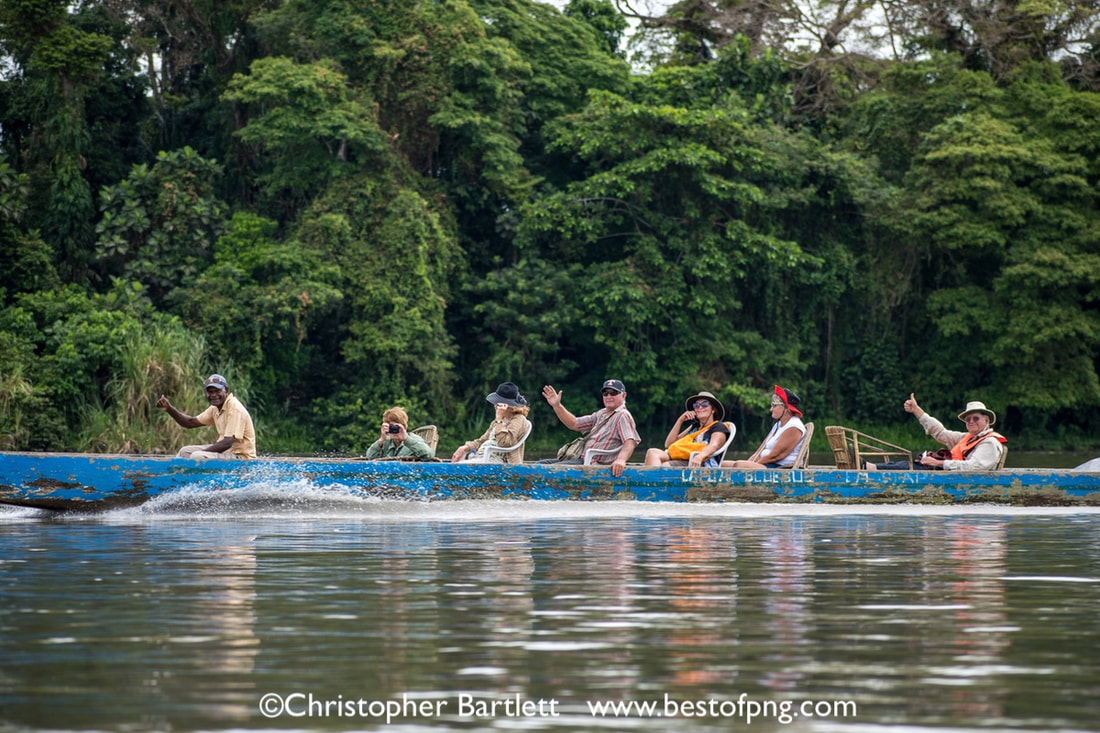
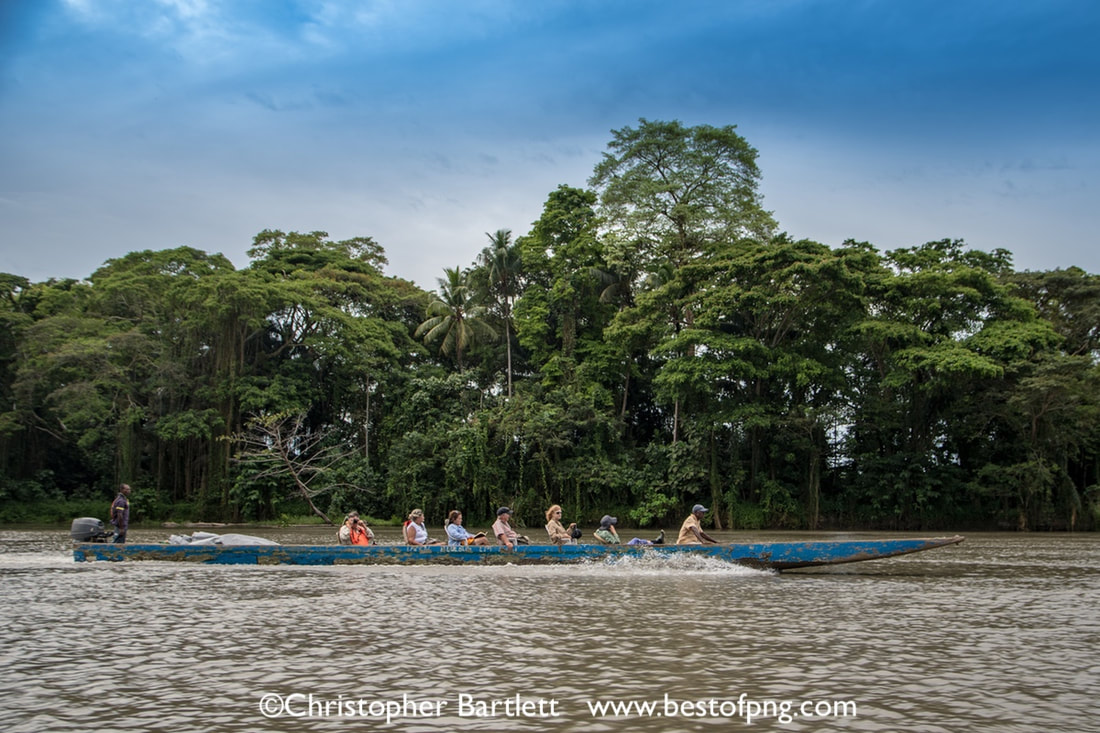
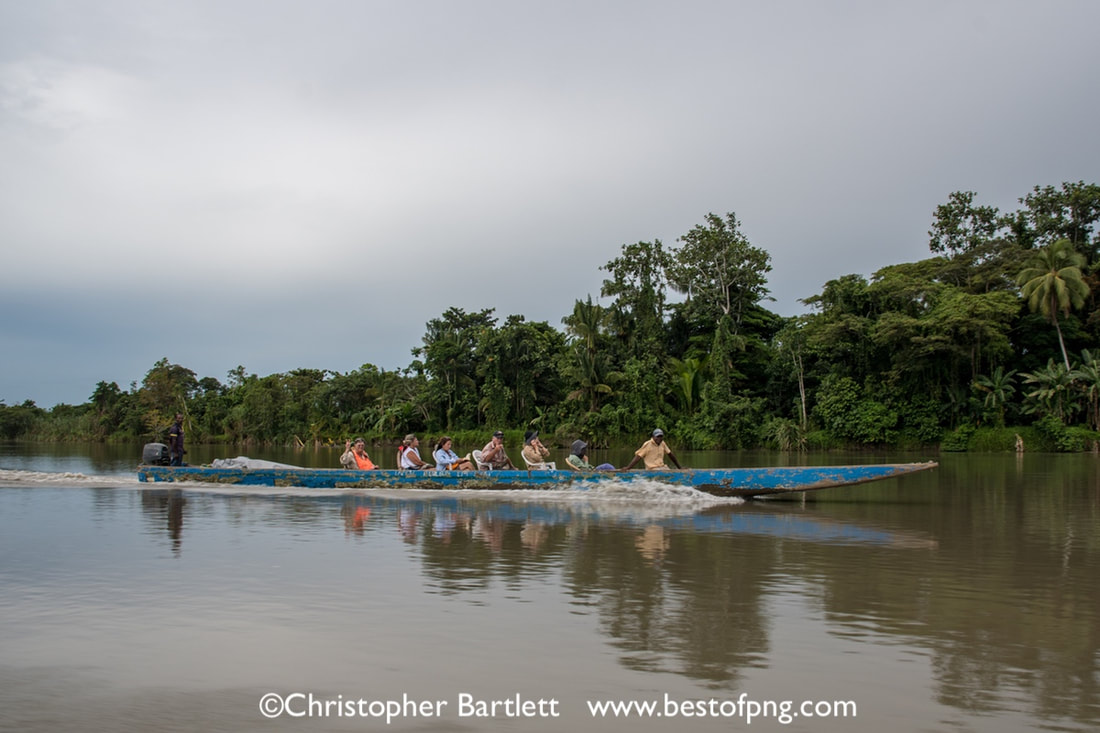
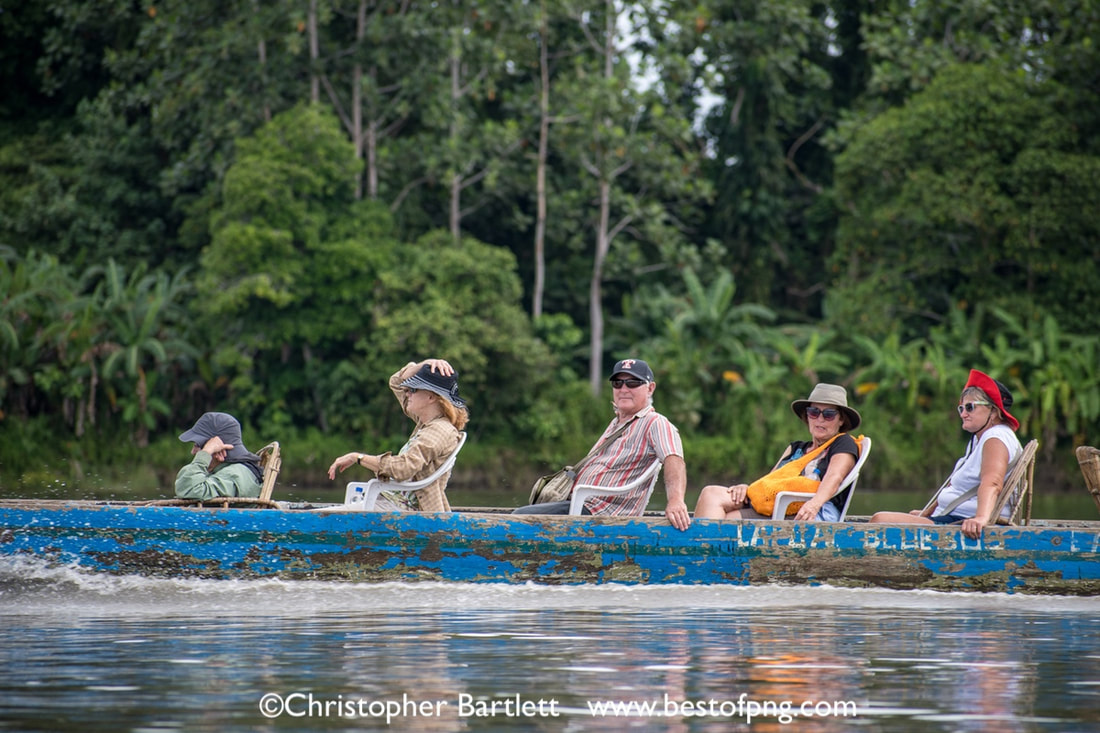
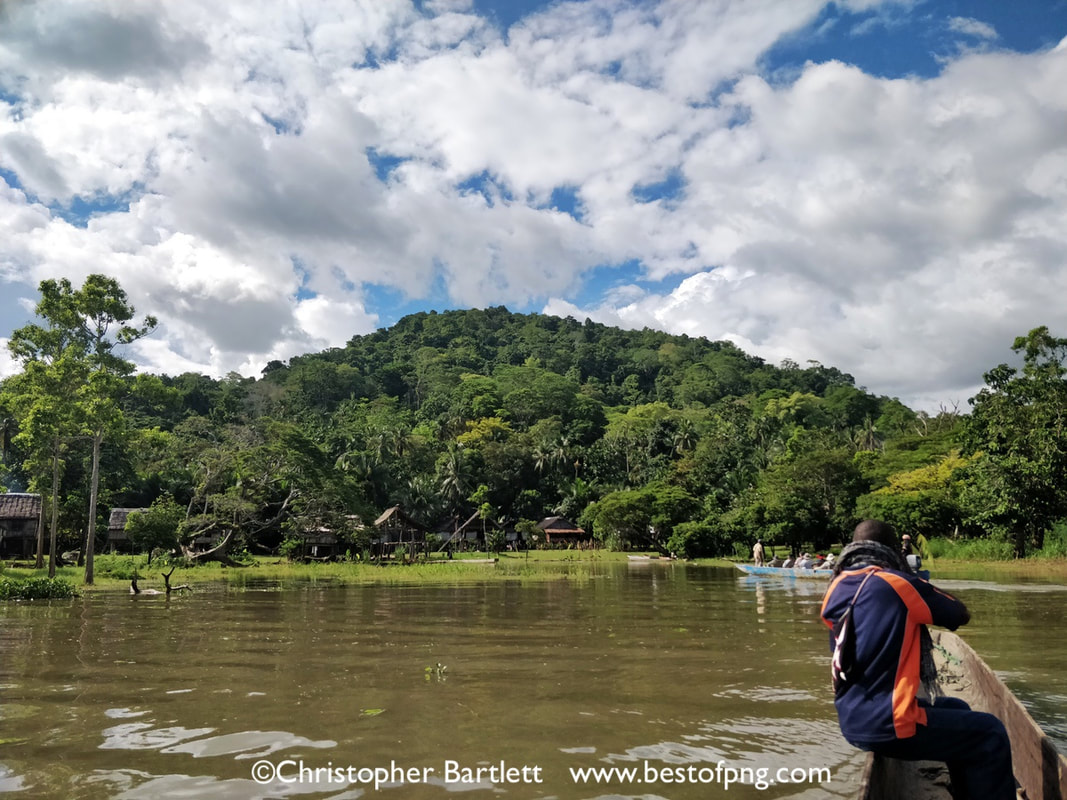
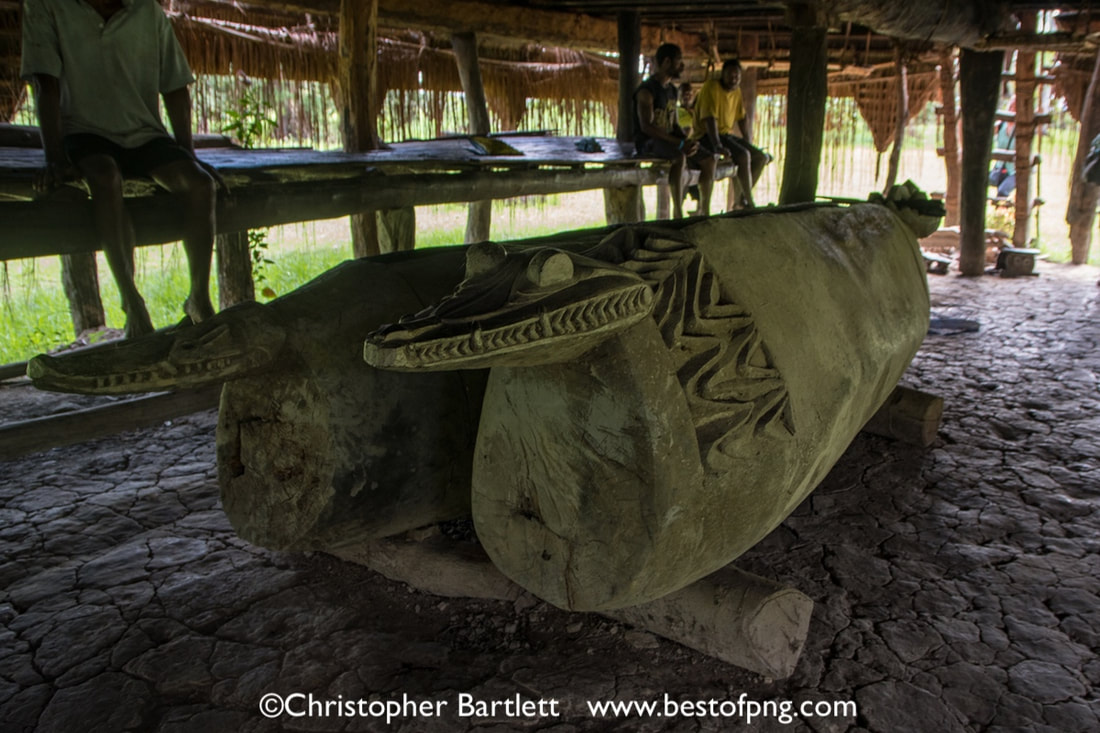
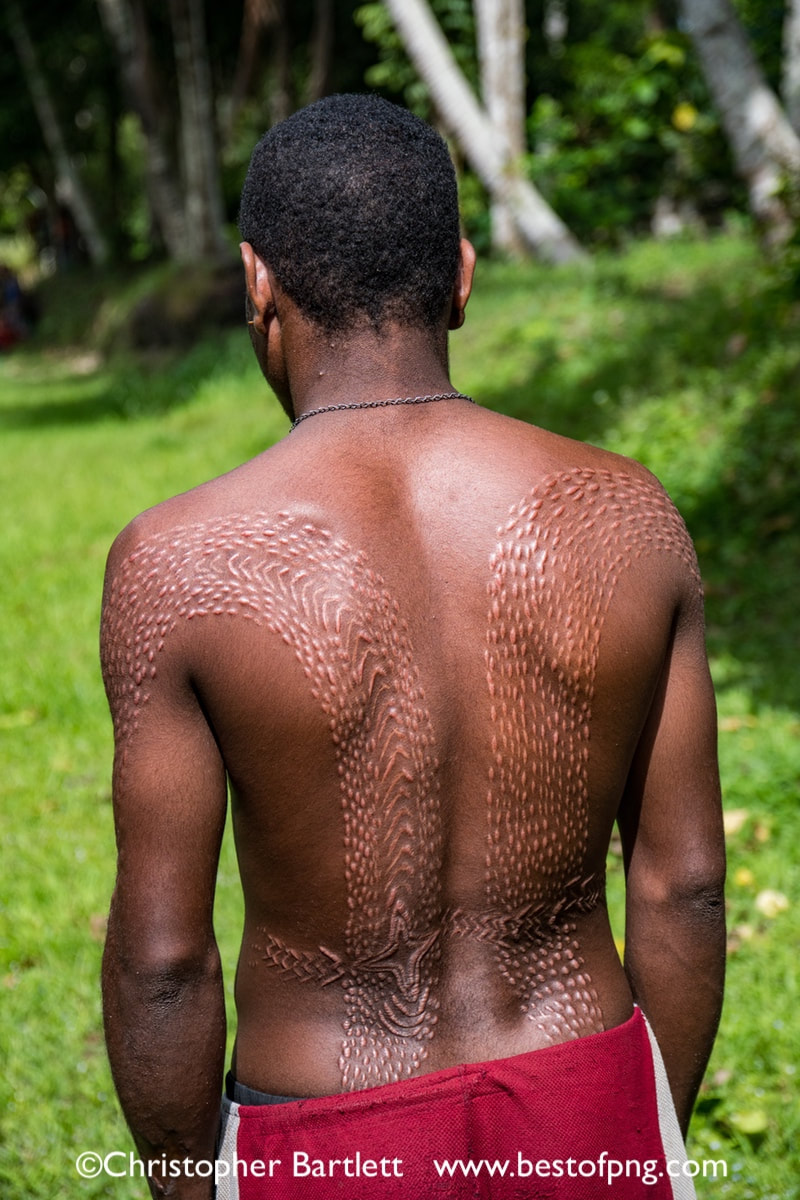
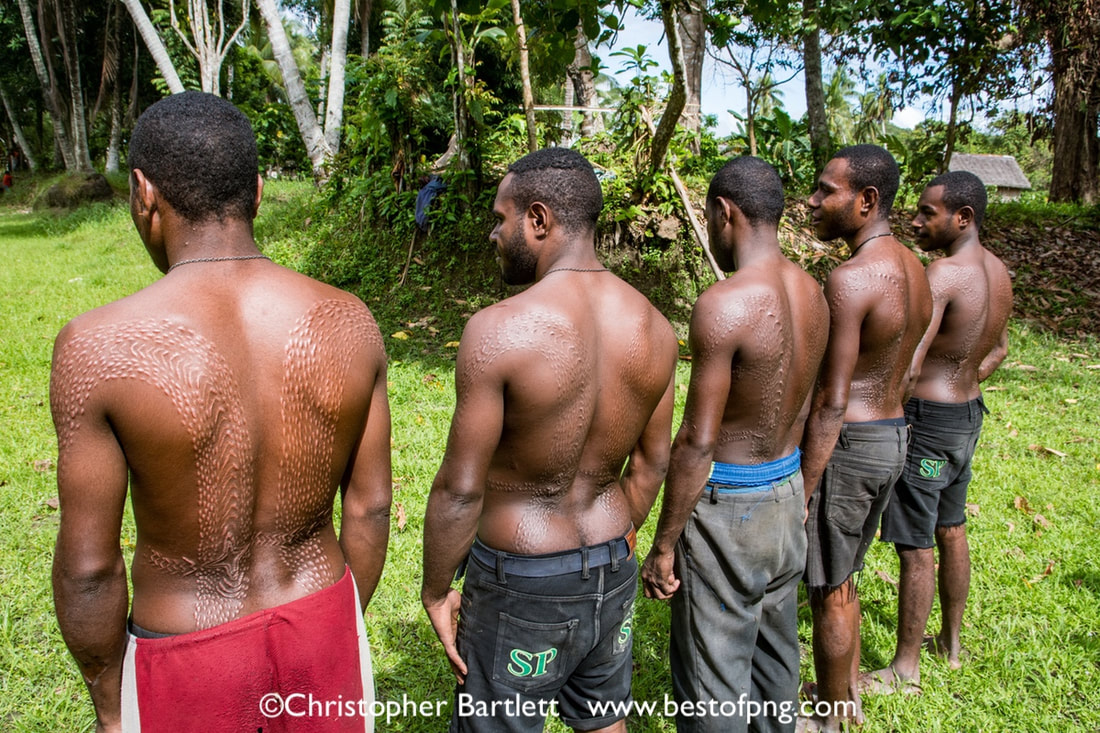
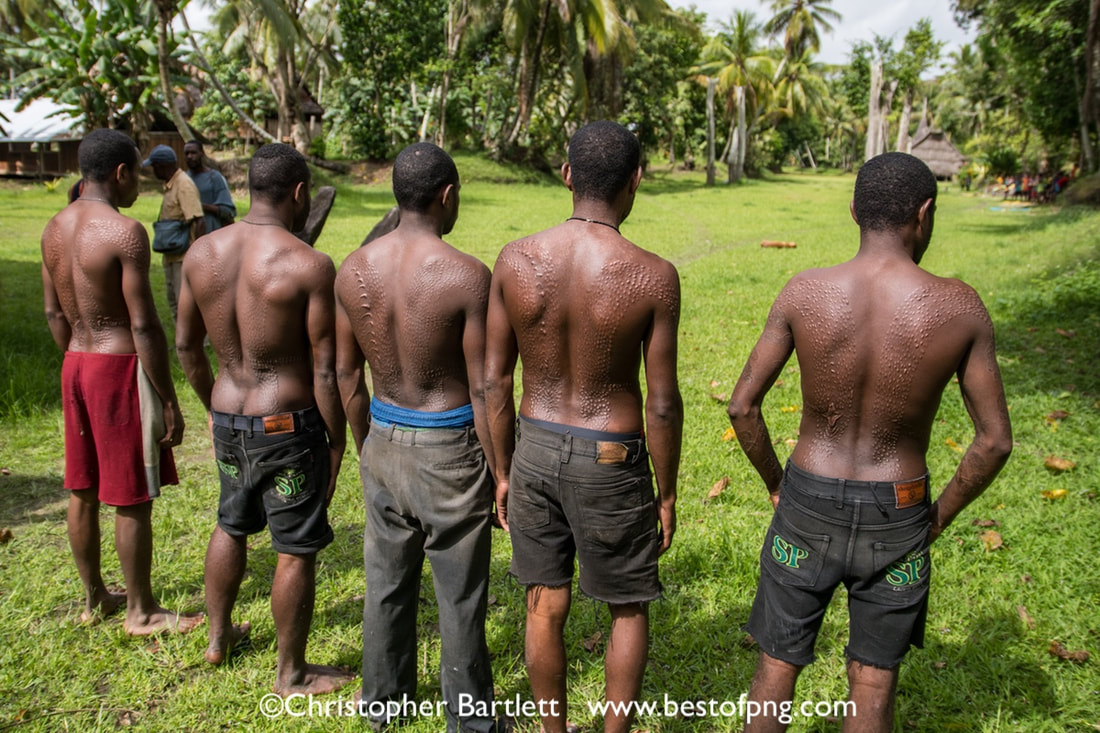
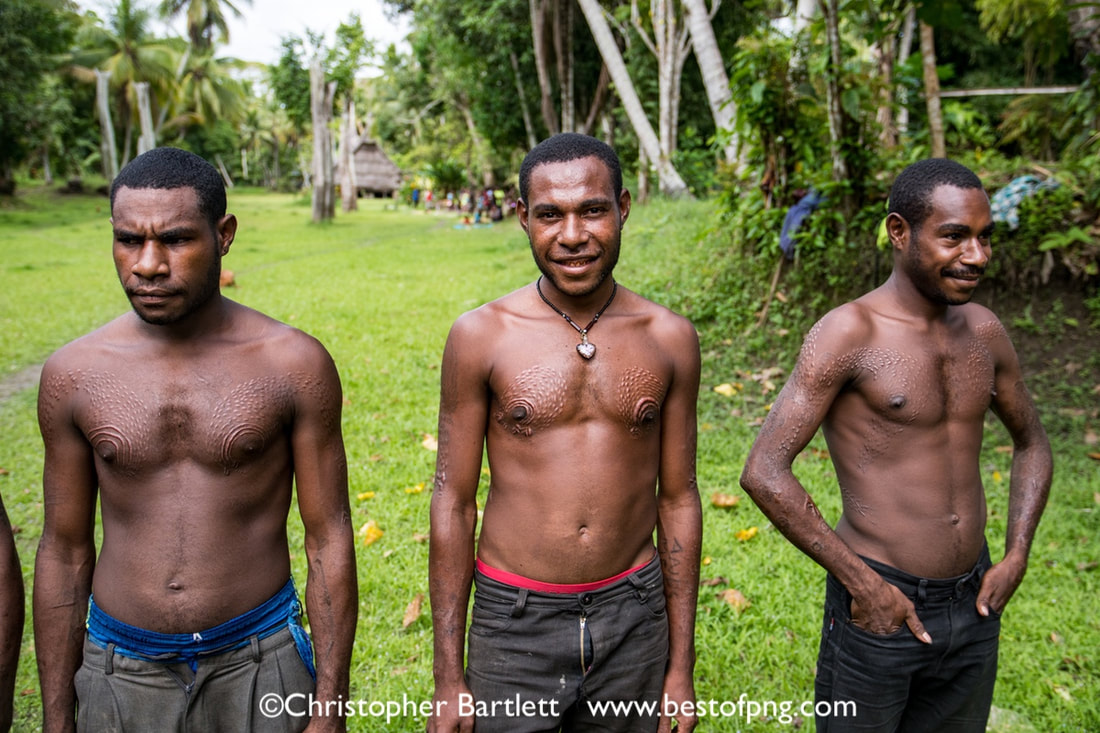
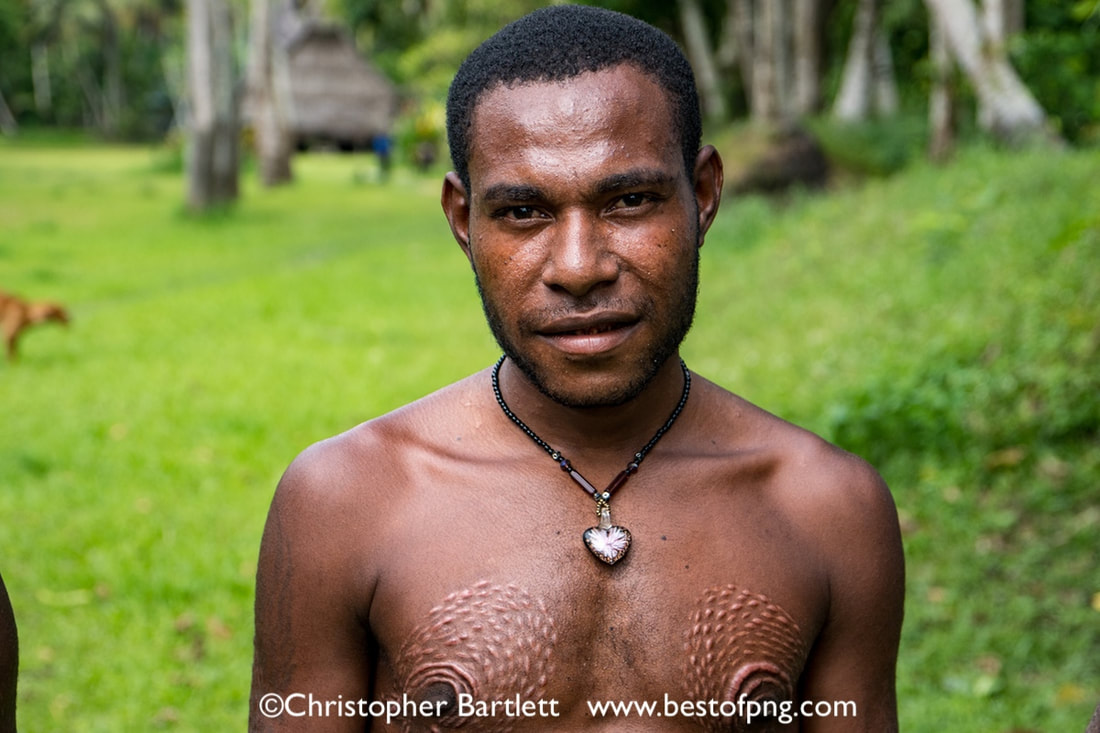
For communities along the Sepik River, the crocodile has spiritual importance. The “Crocodile Cults” of the Middle Sepik honor this connection through scarification rituals. Young men have their skin cut to resemble reptile scales as part of a rite of passage. Joining a Sepik River expedition offers an introduction to this heritage. Crocodiles also affect the river’s ecosystem by preying on other animals.
Marine Life and Small Reef Species
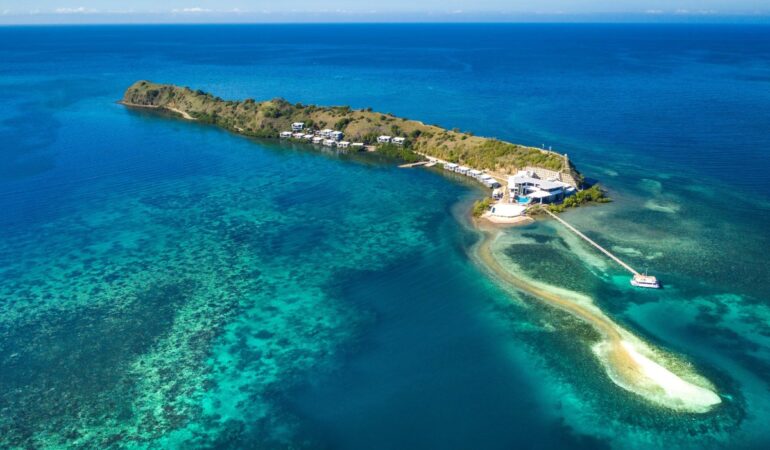
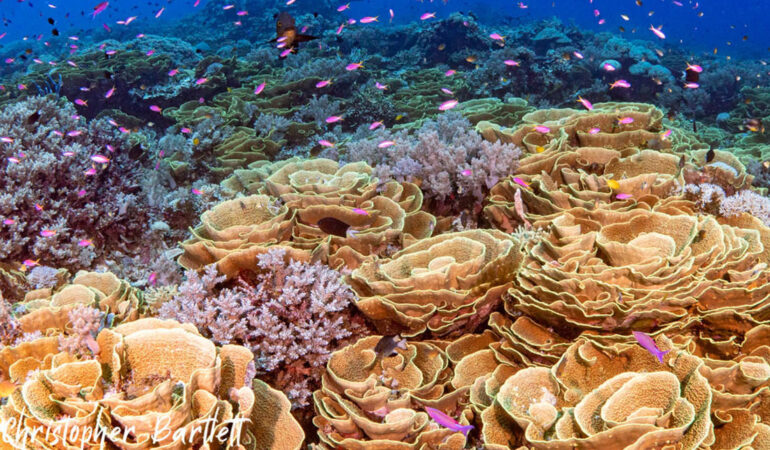
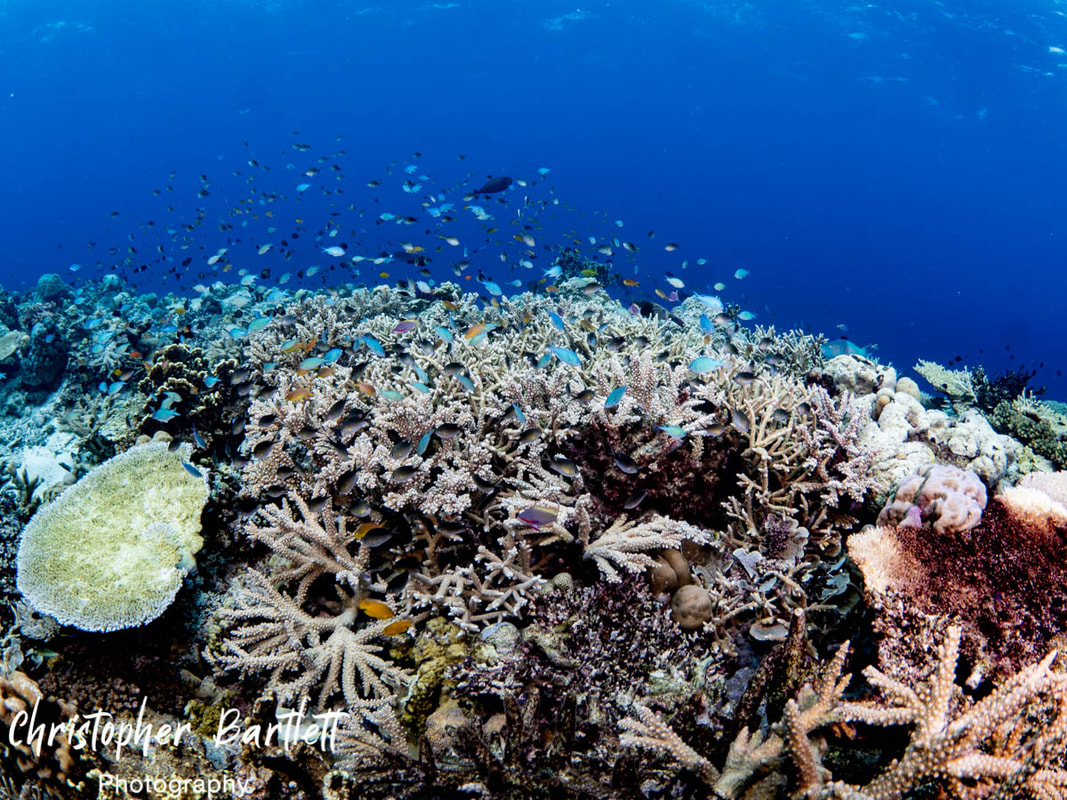
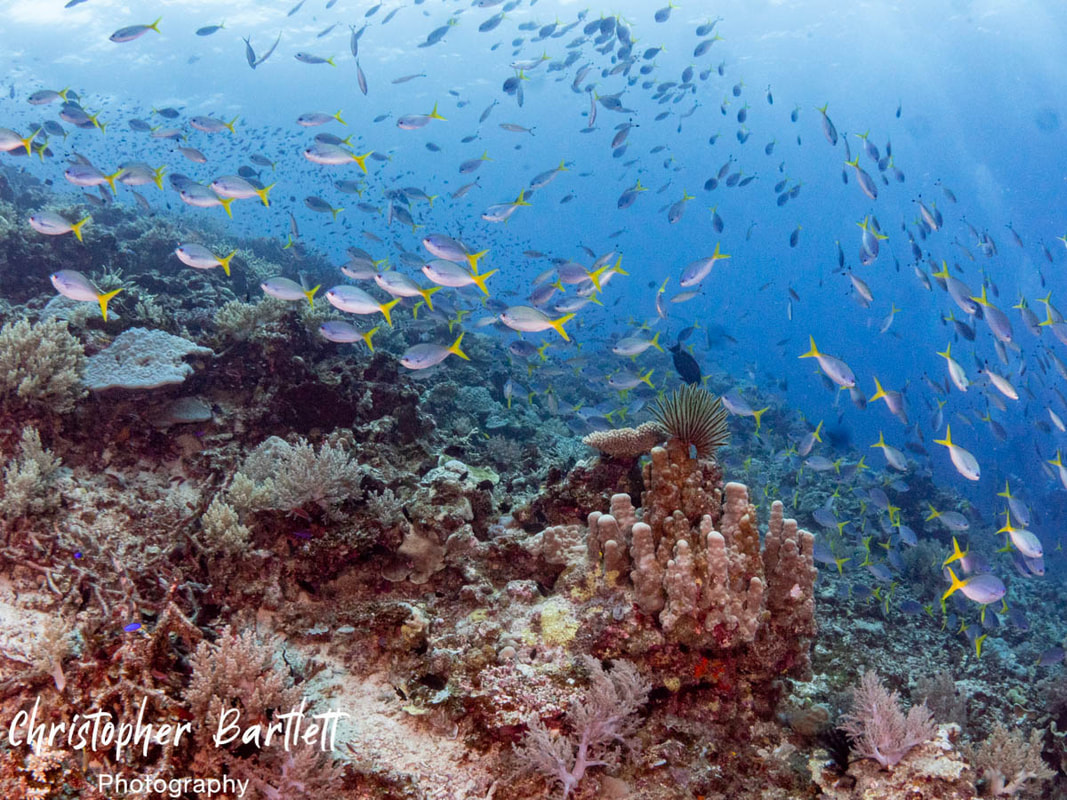
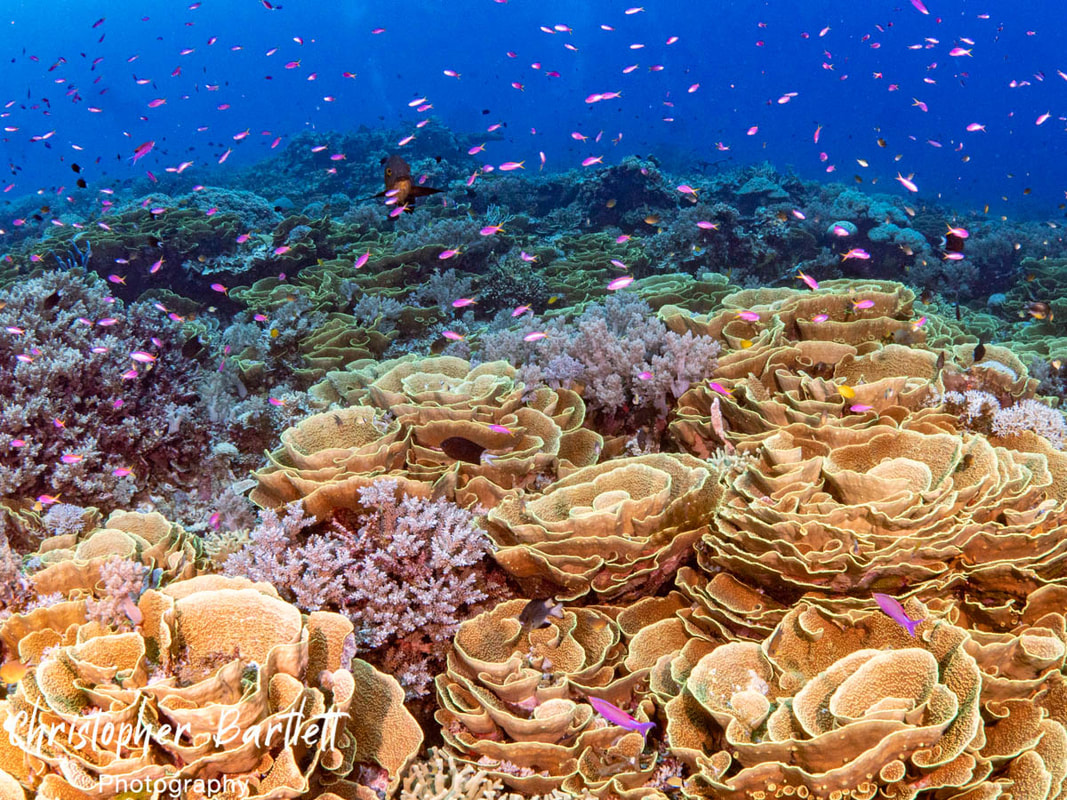
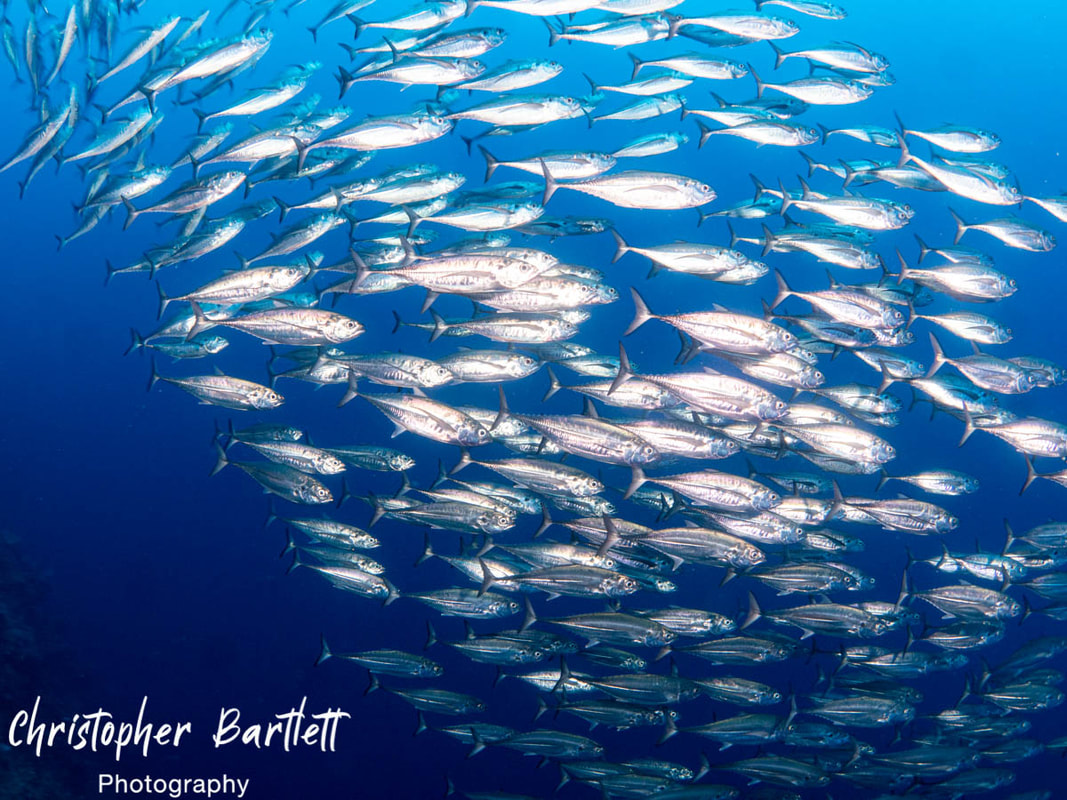
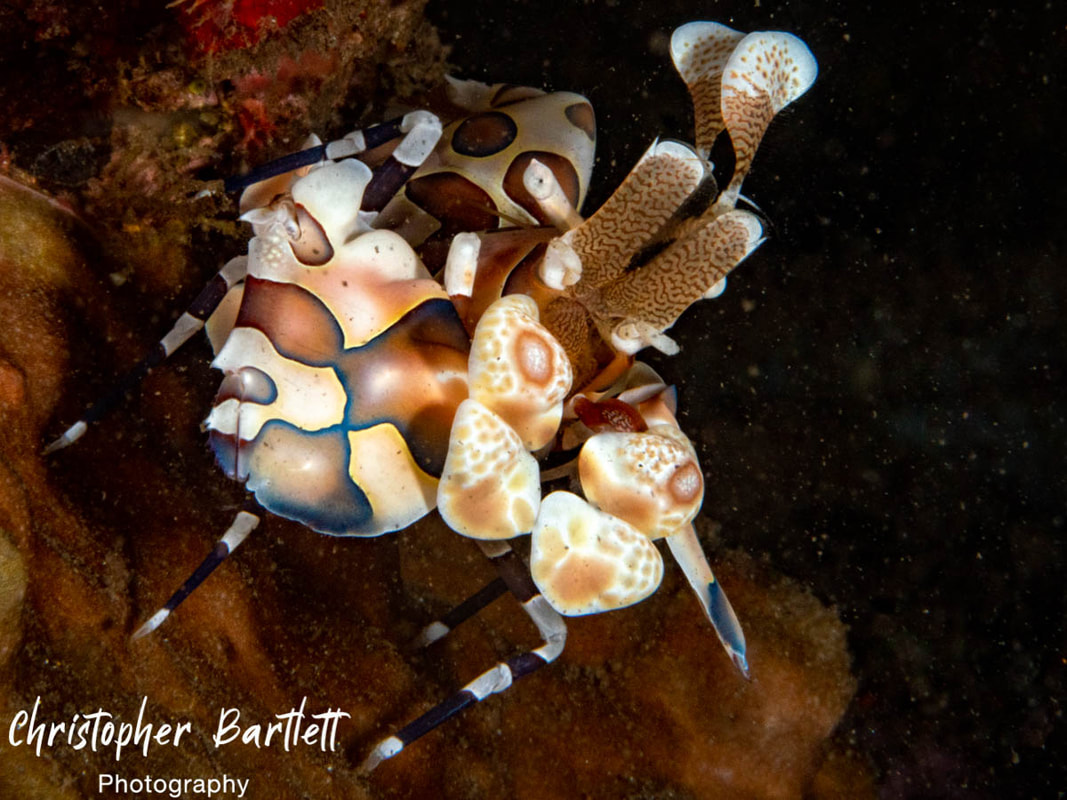
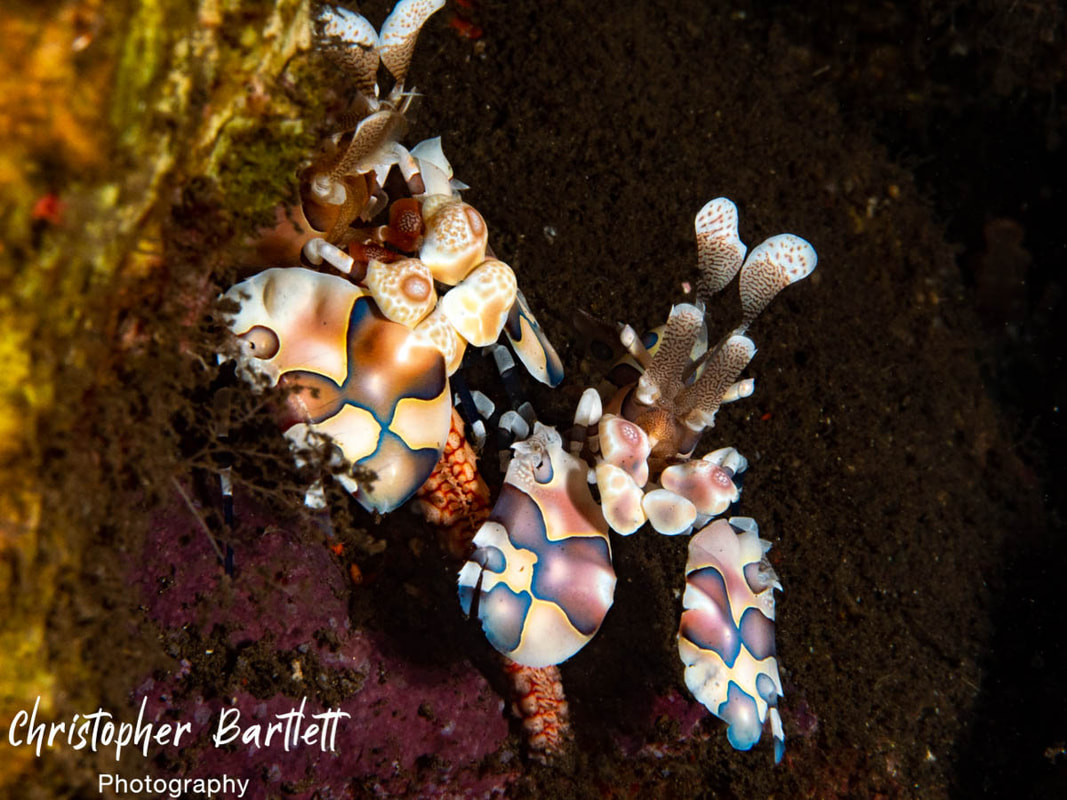
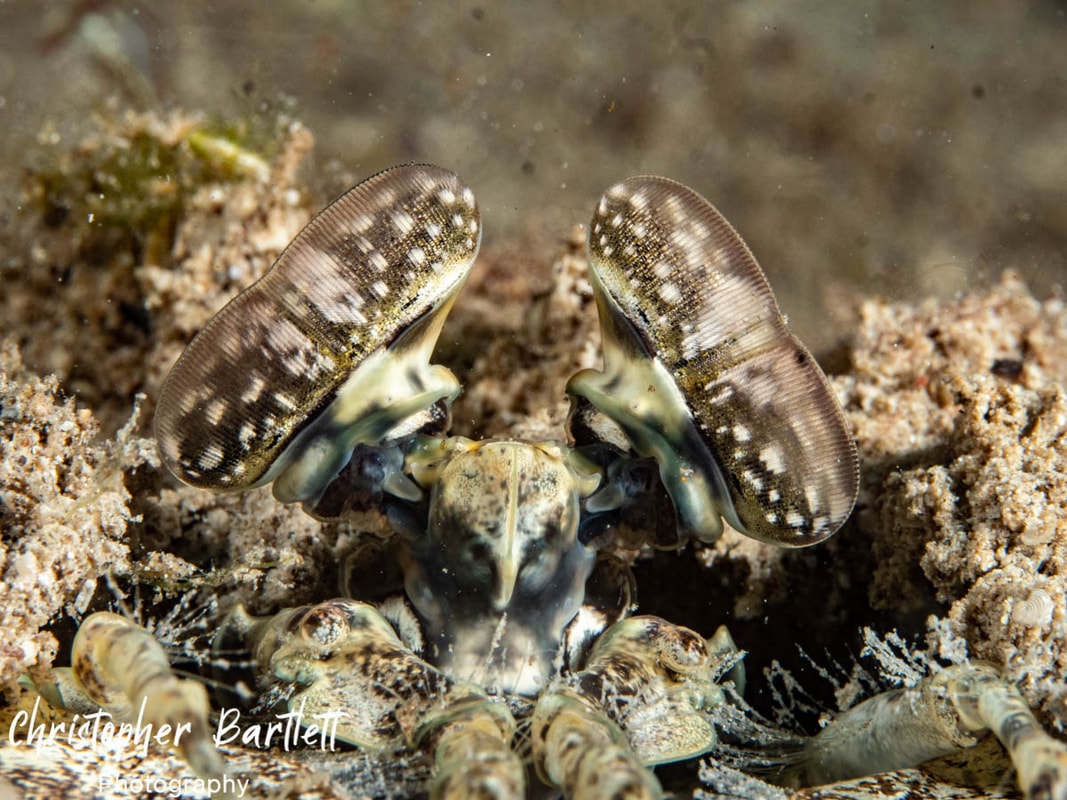
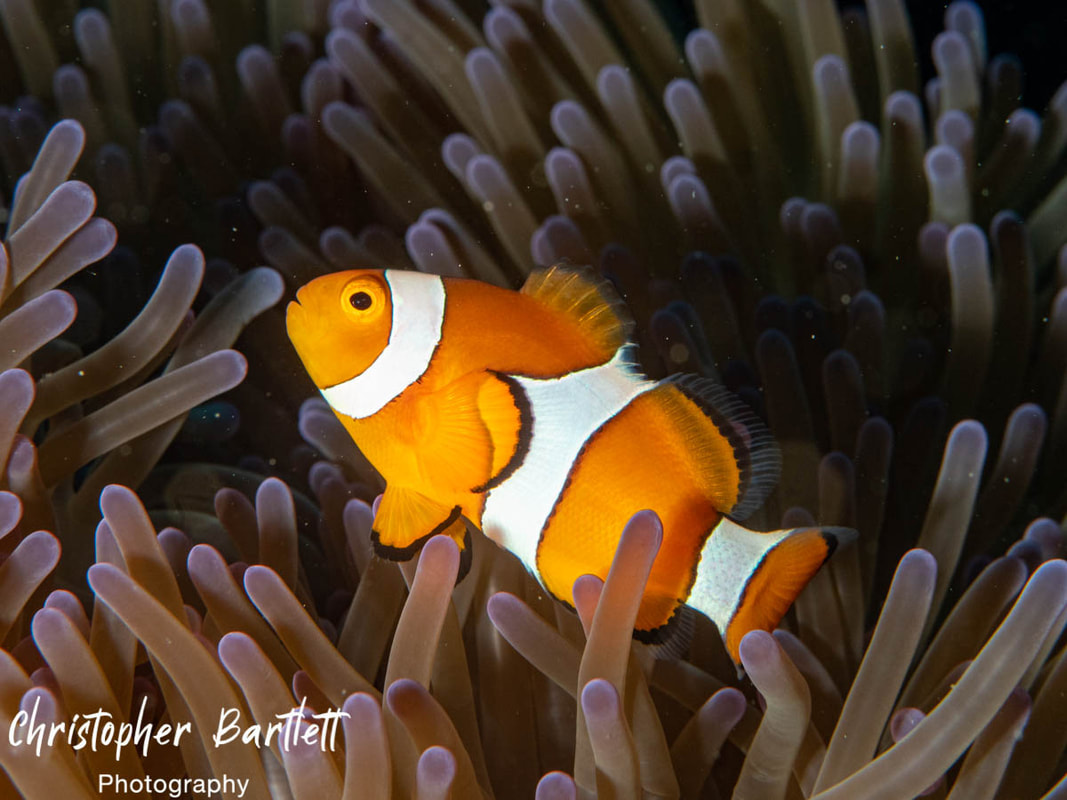
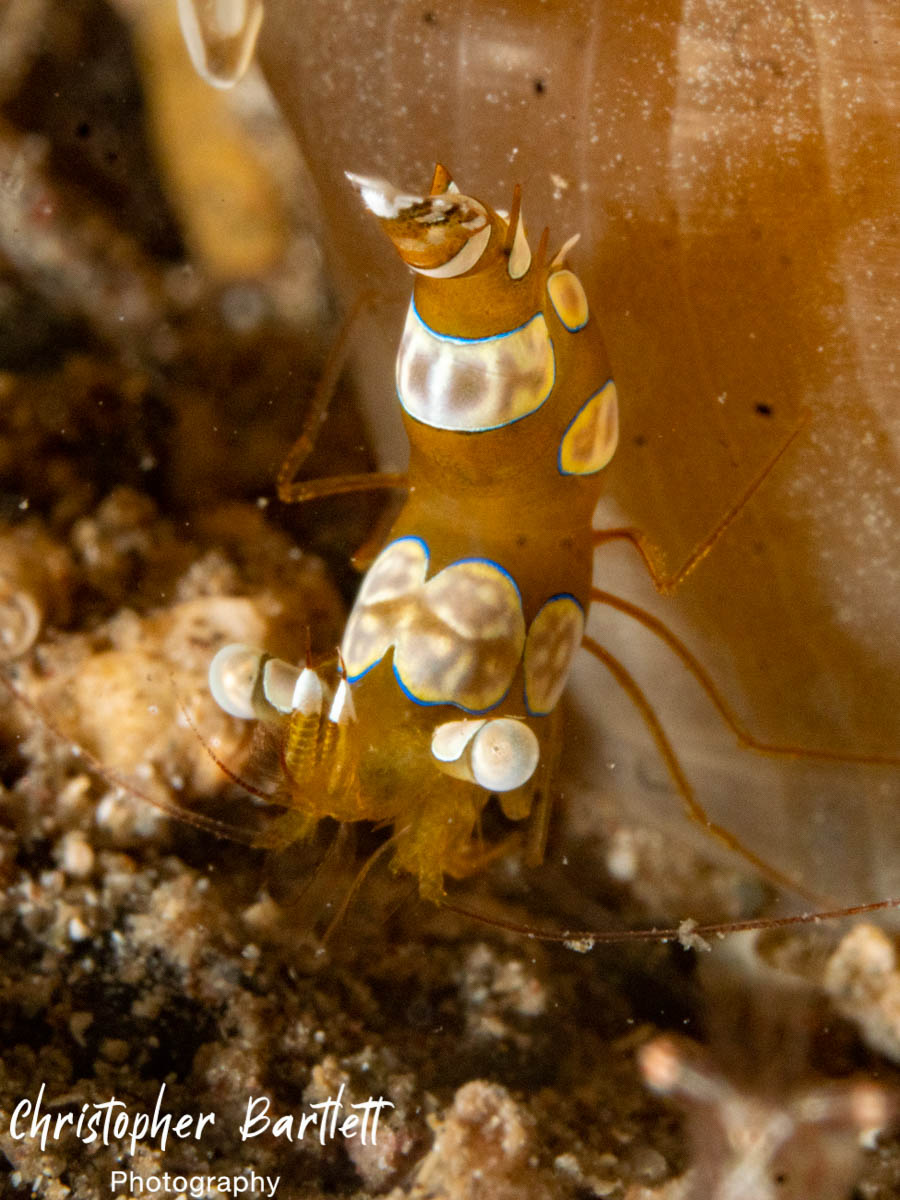
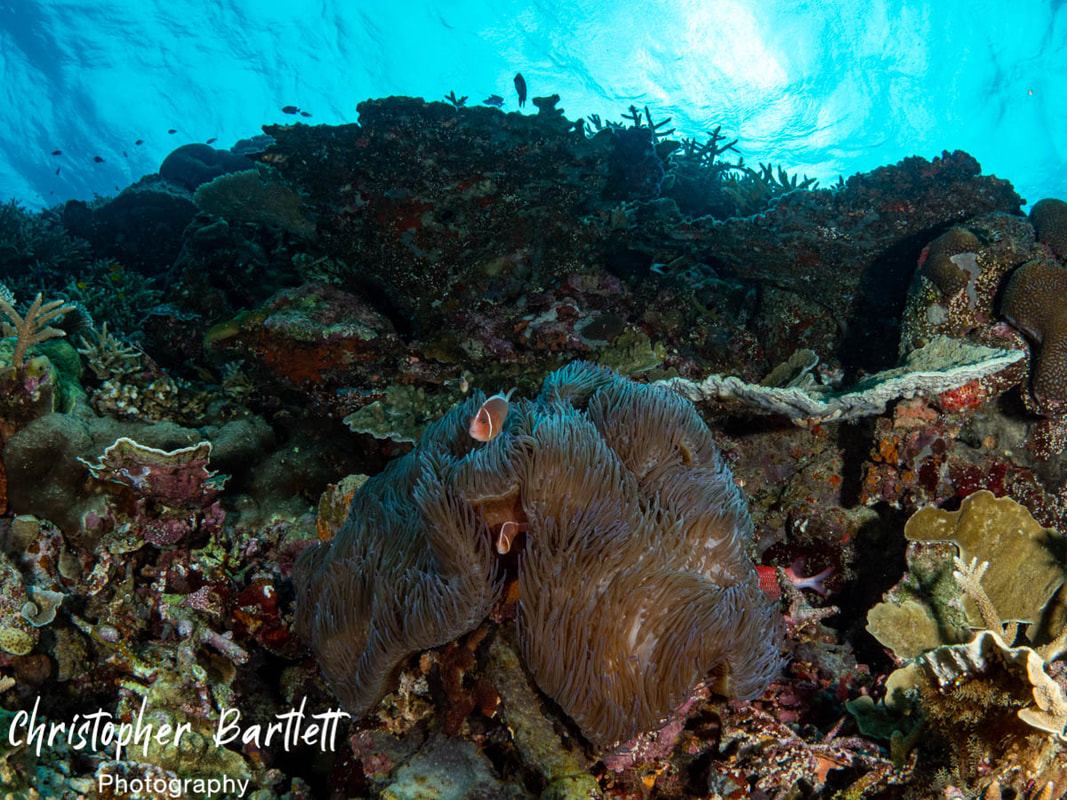
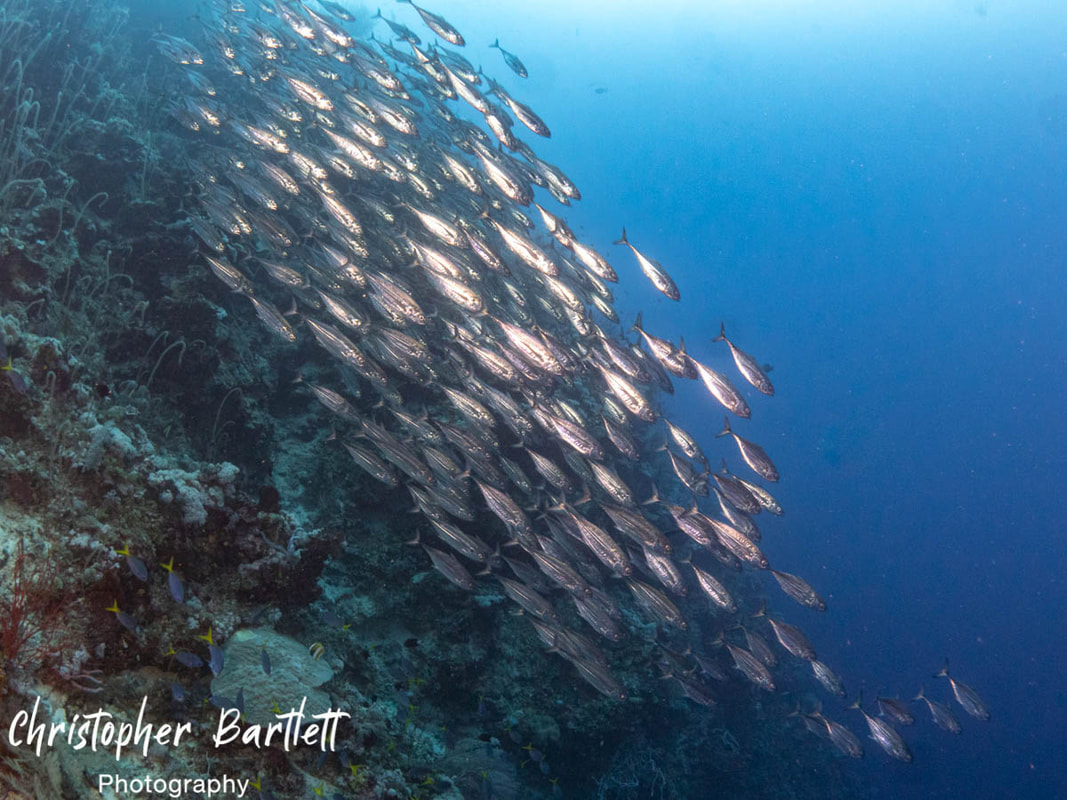
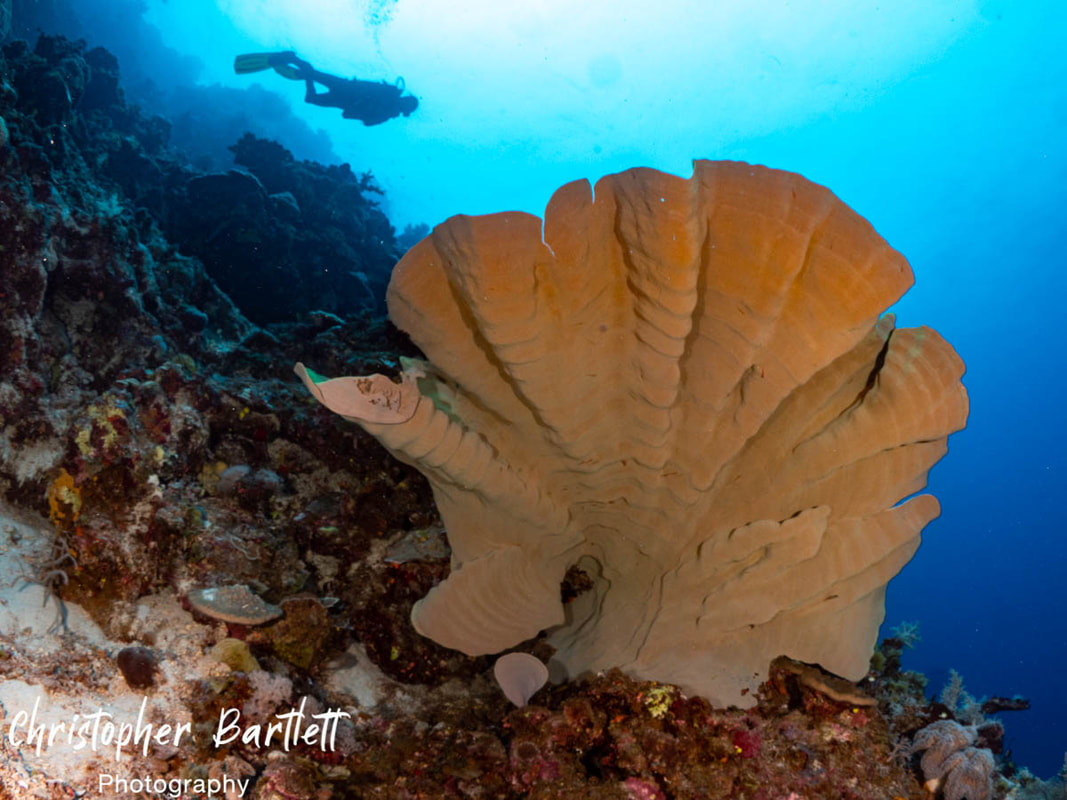
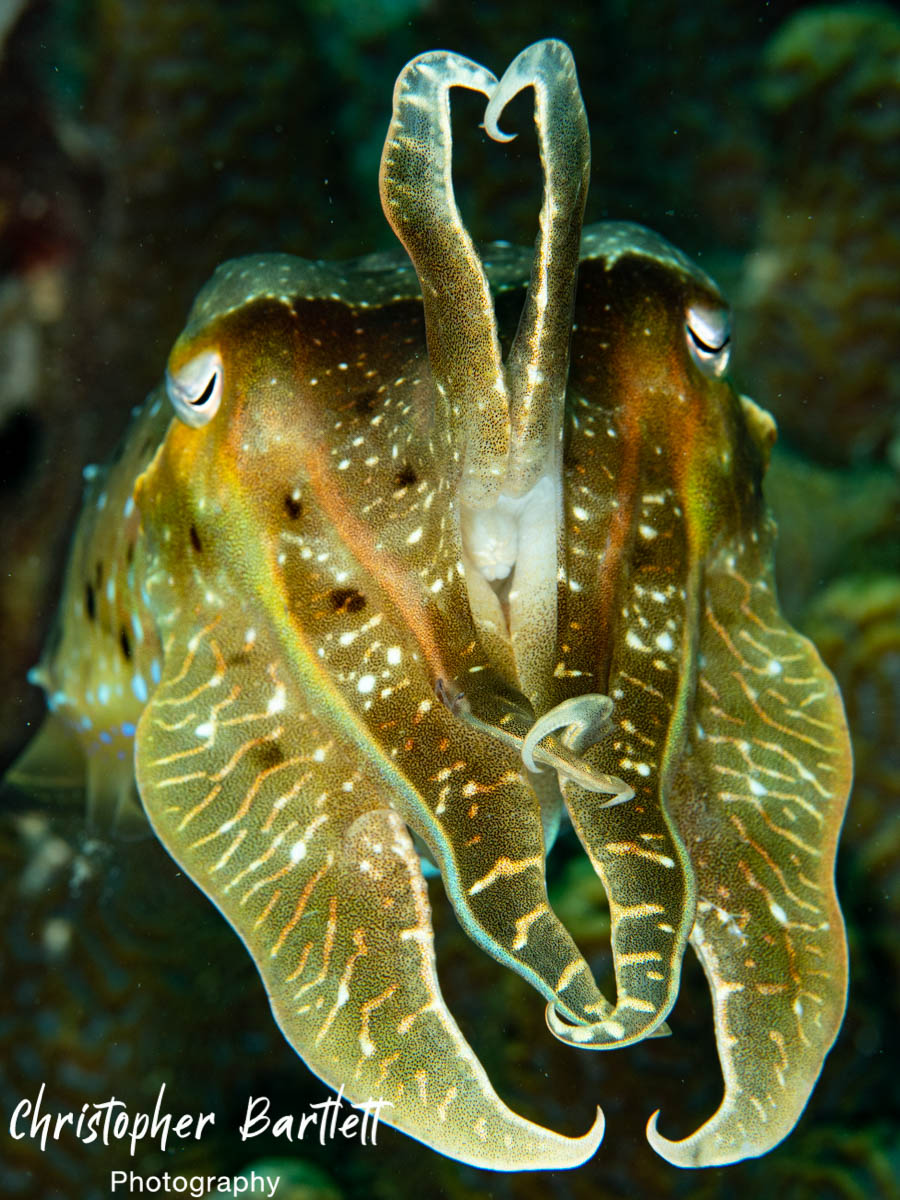
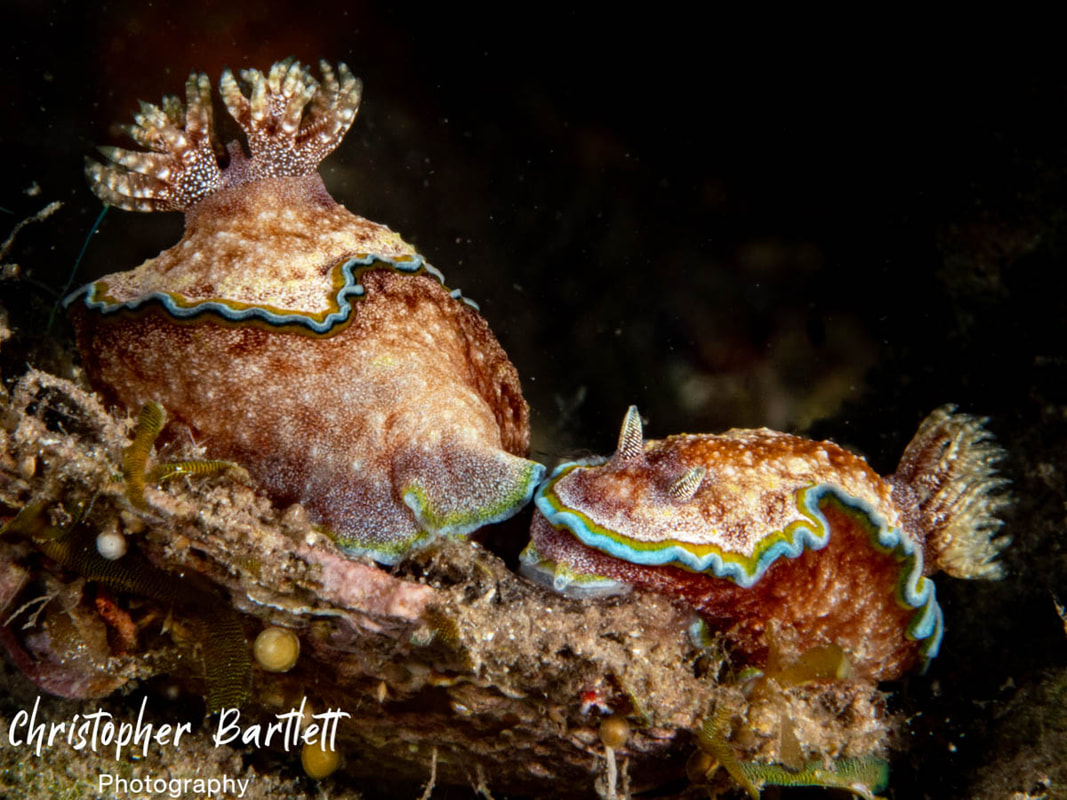
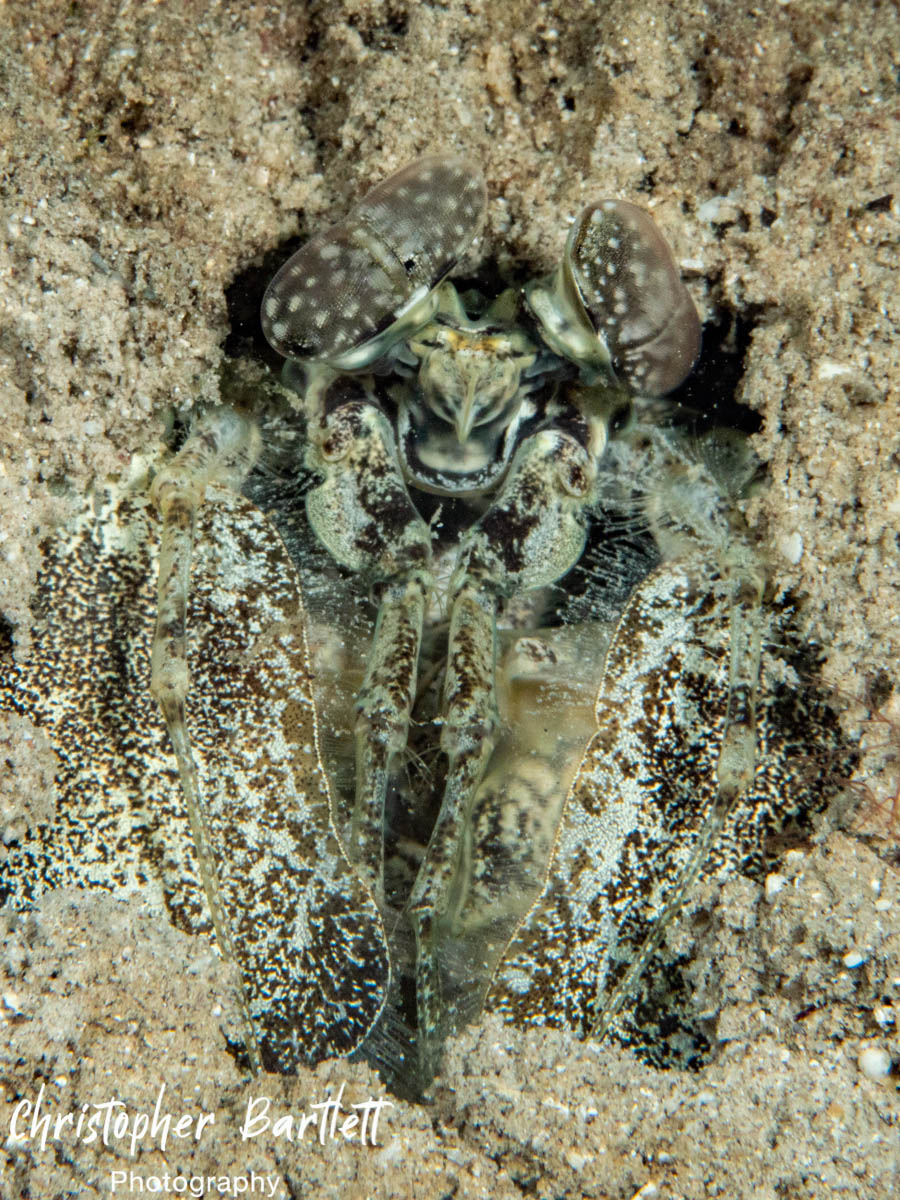
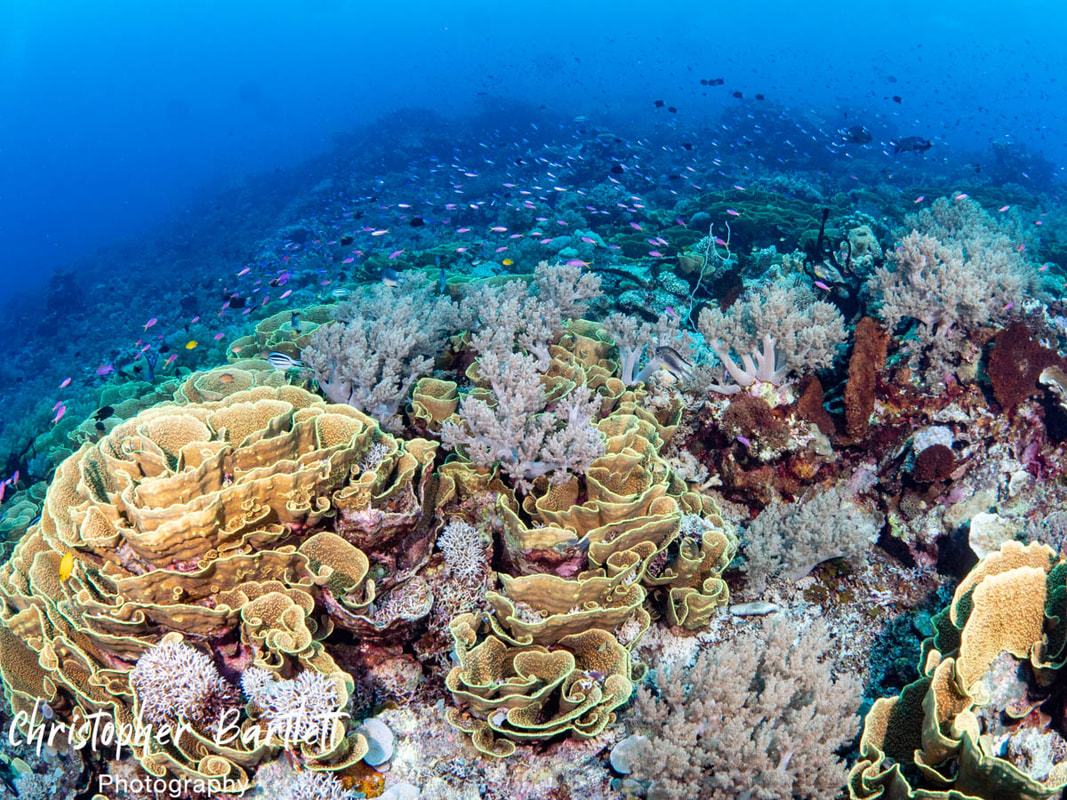
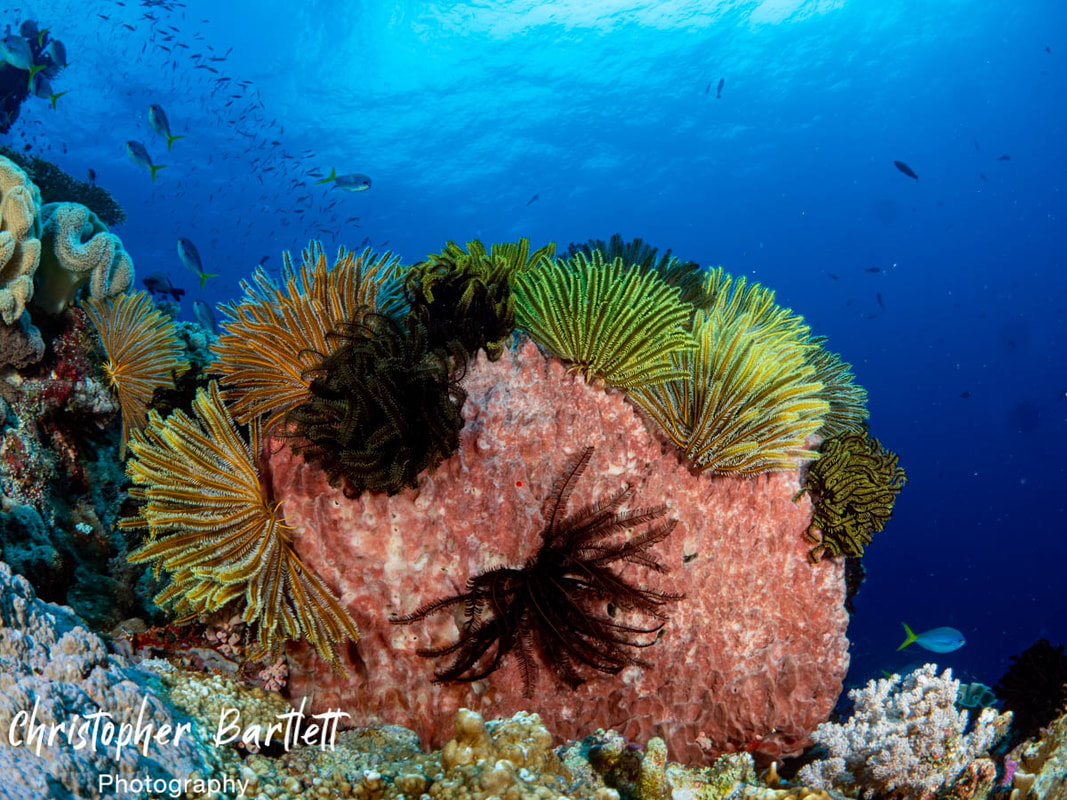
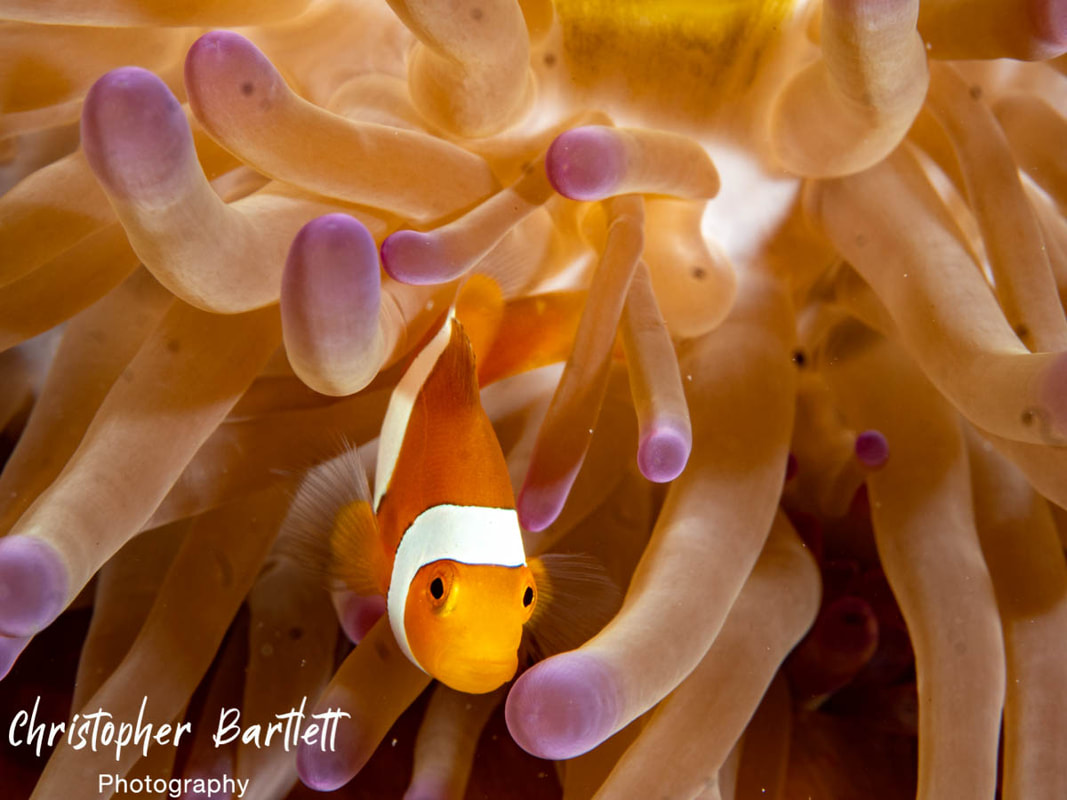
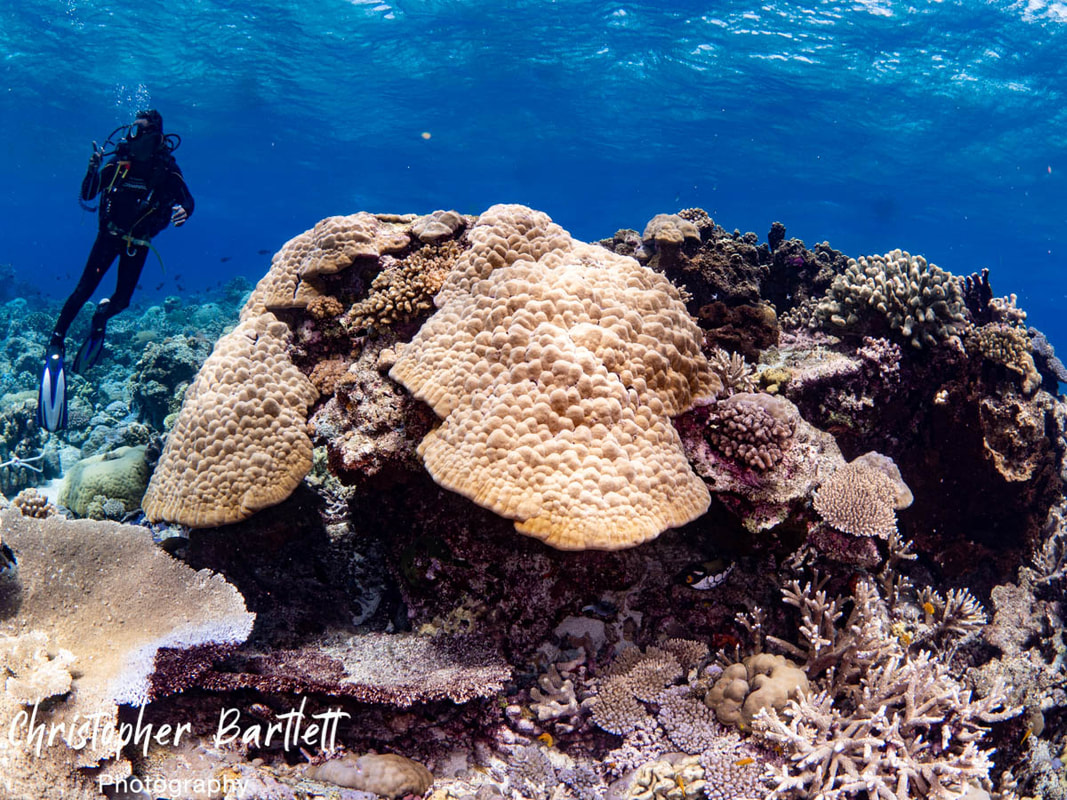
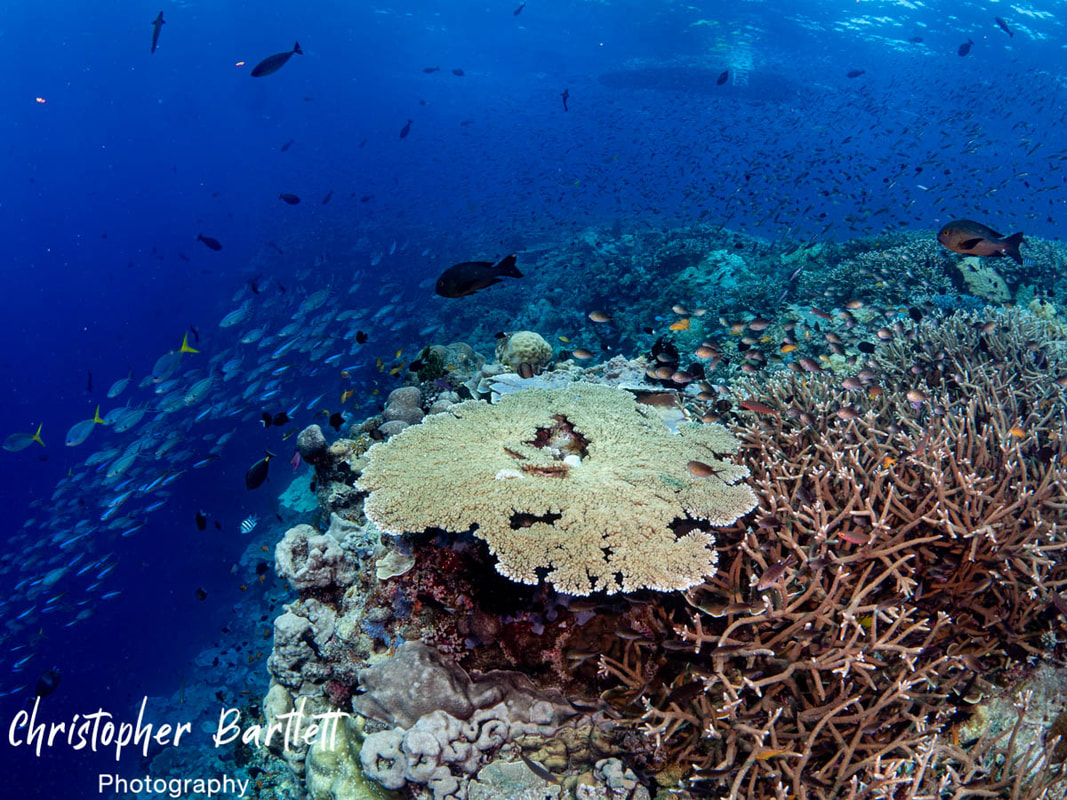
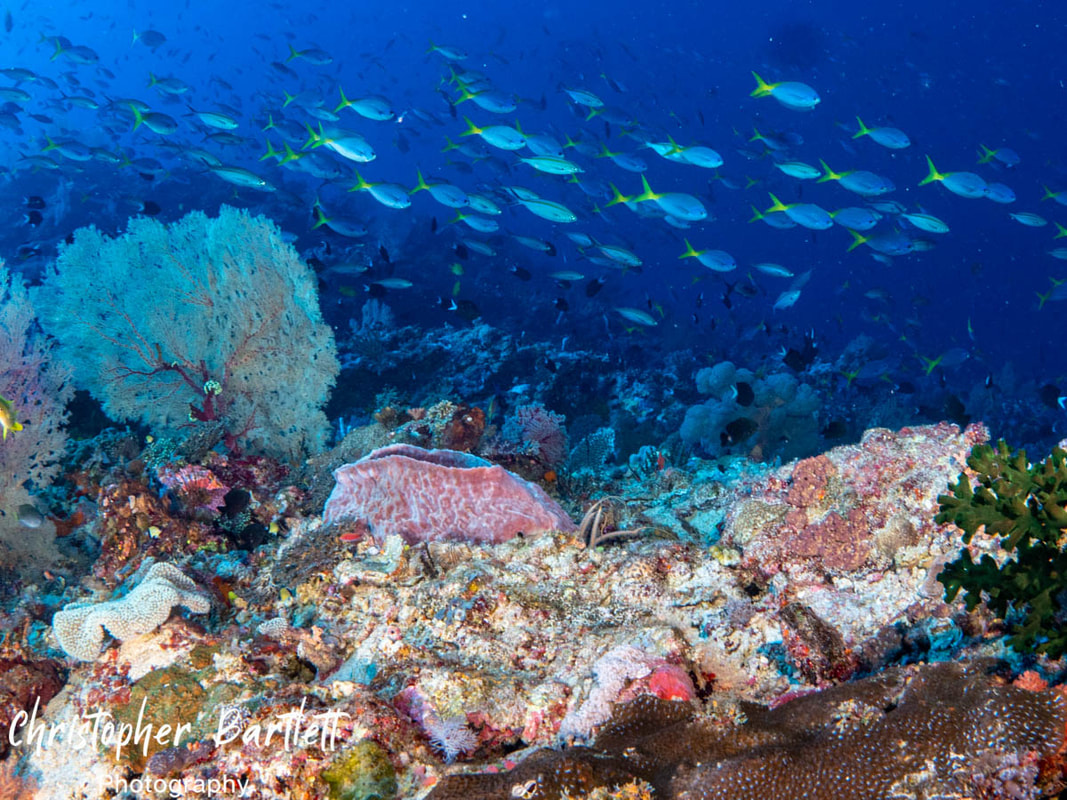
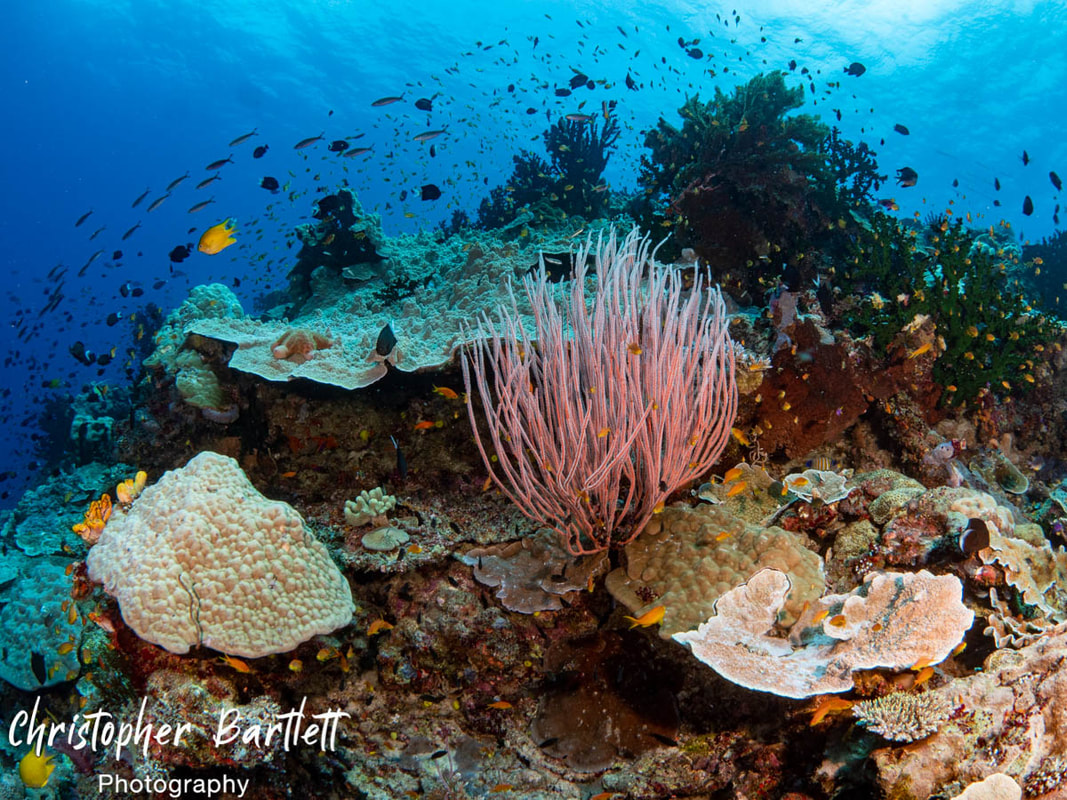
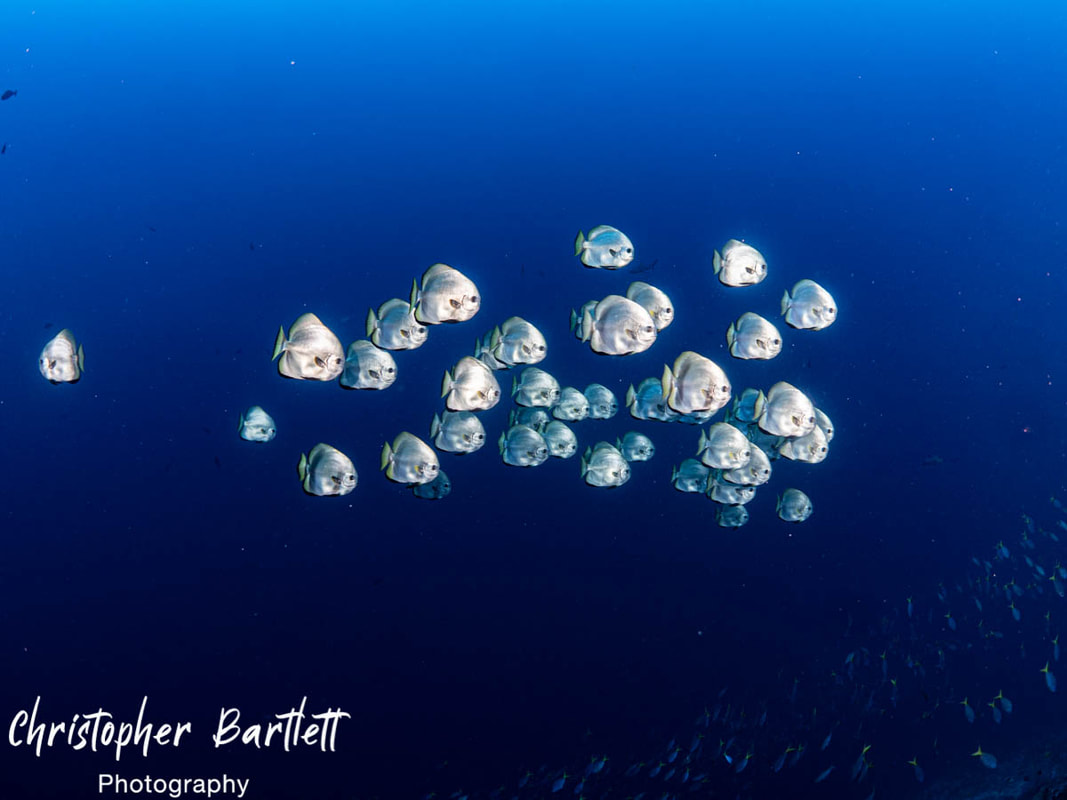
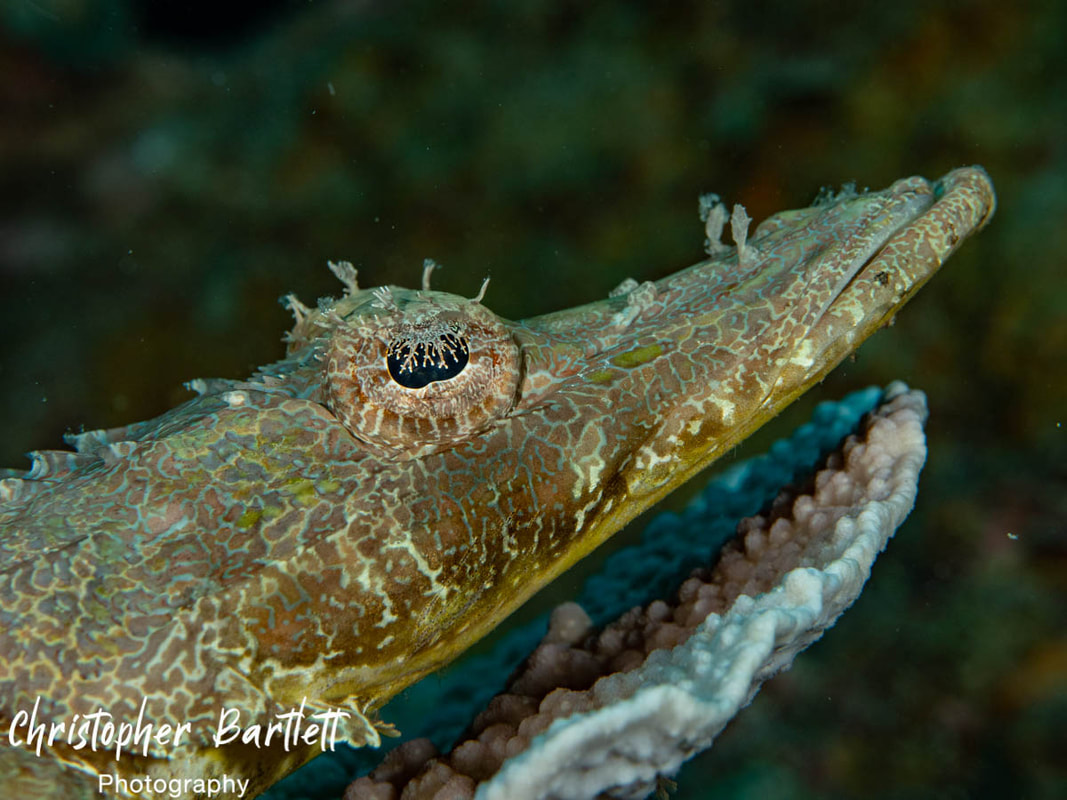
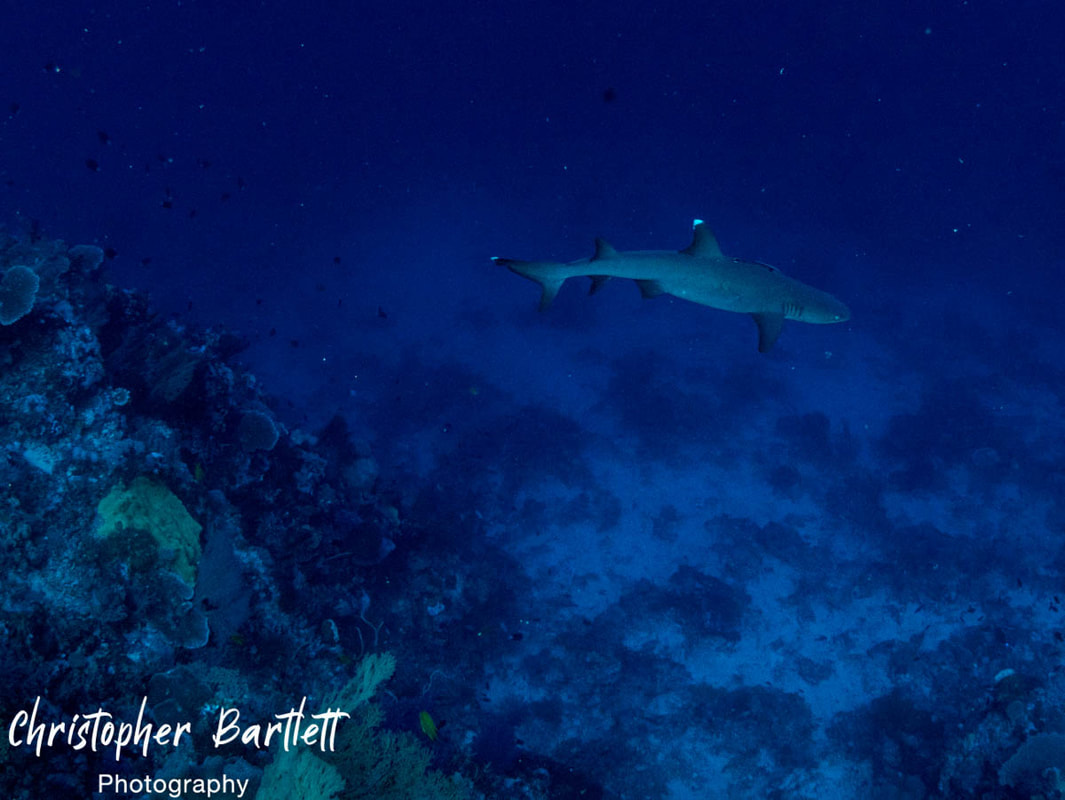
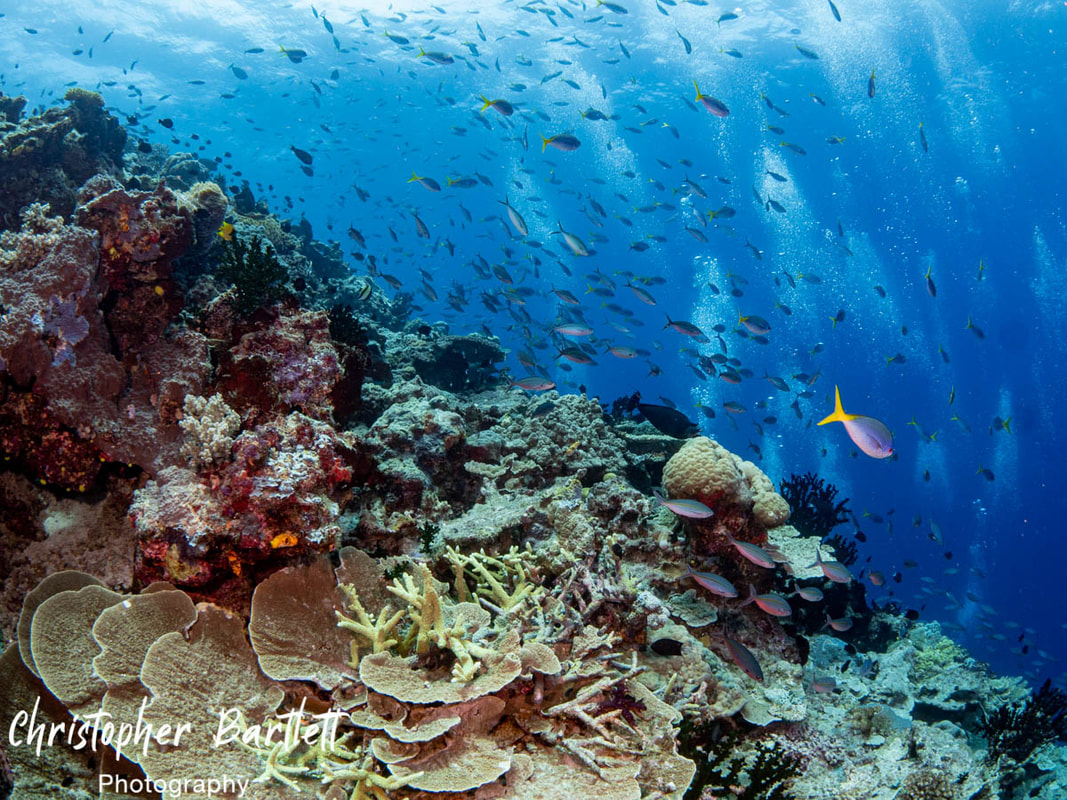
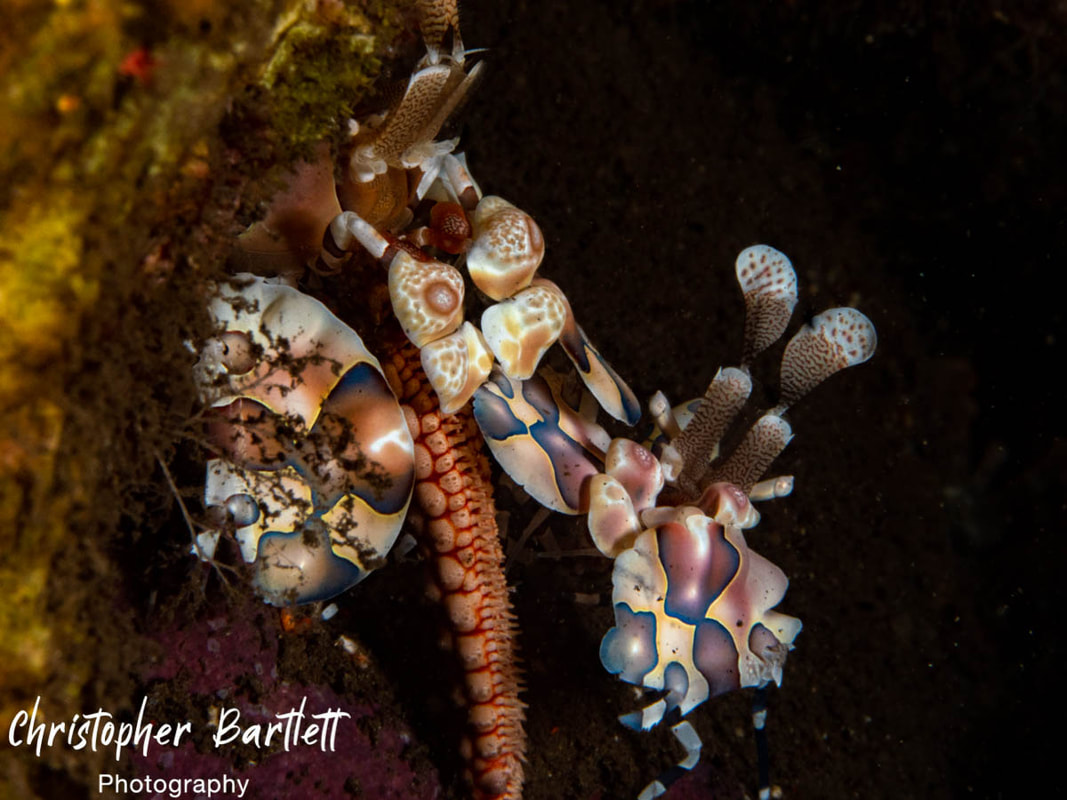
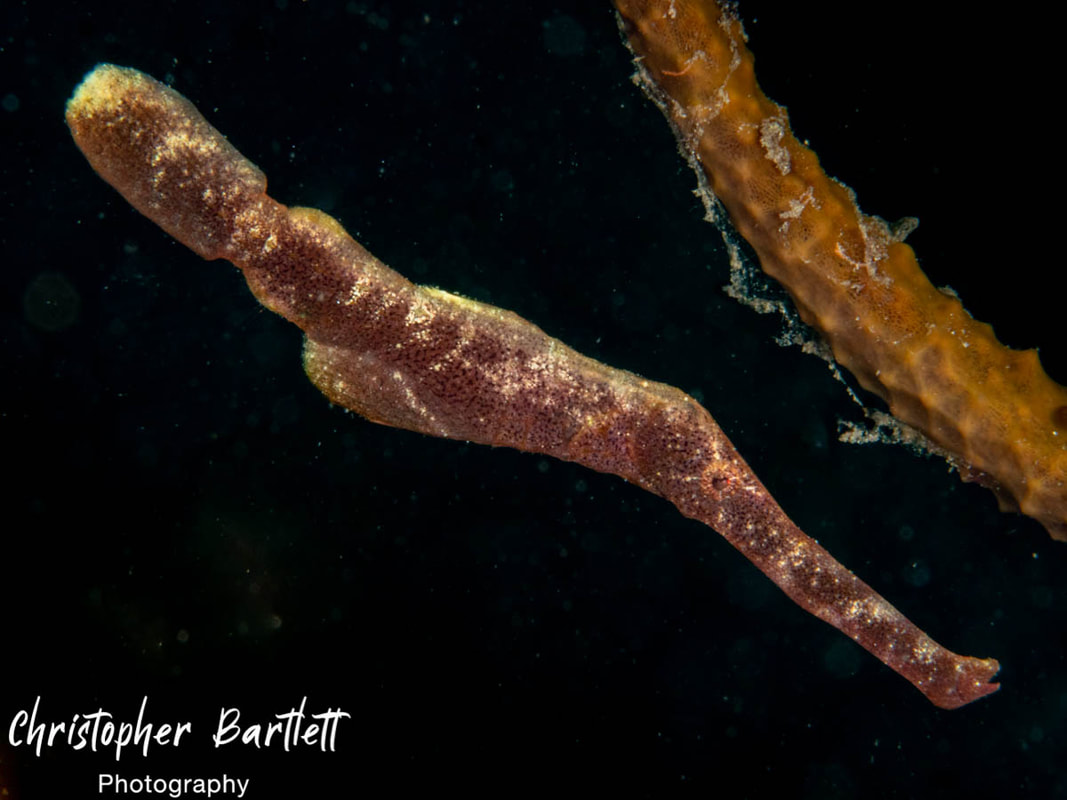
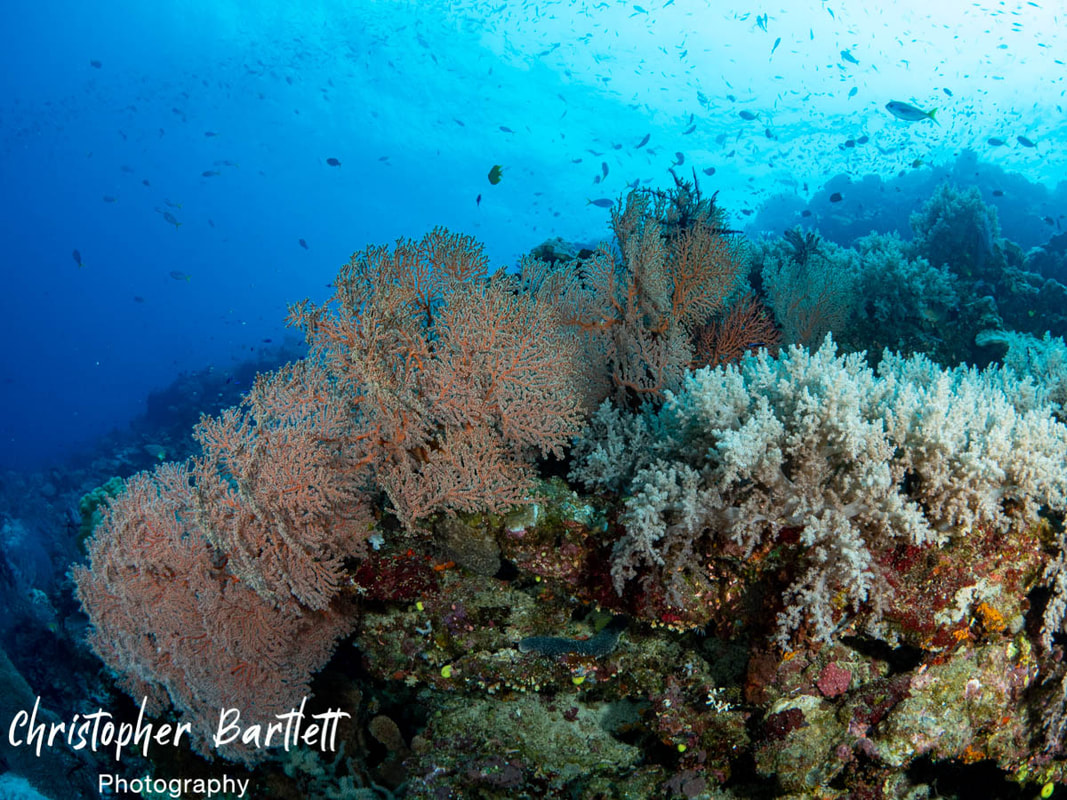
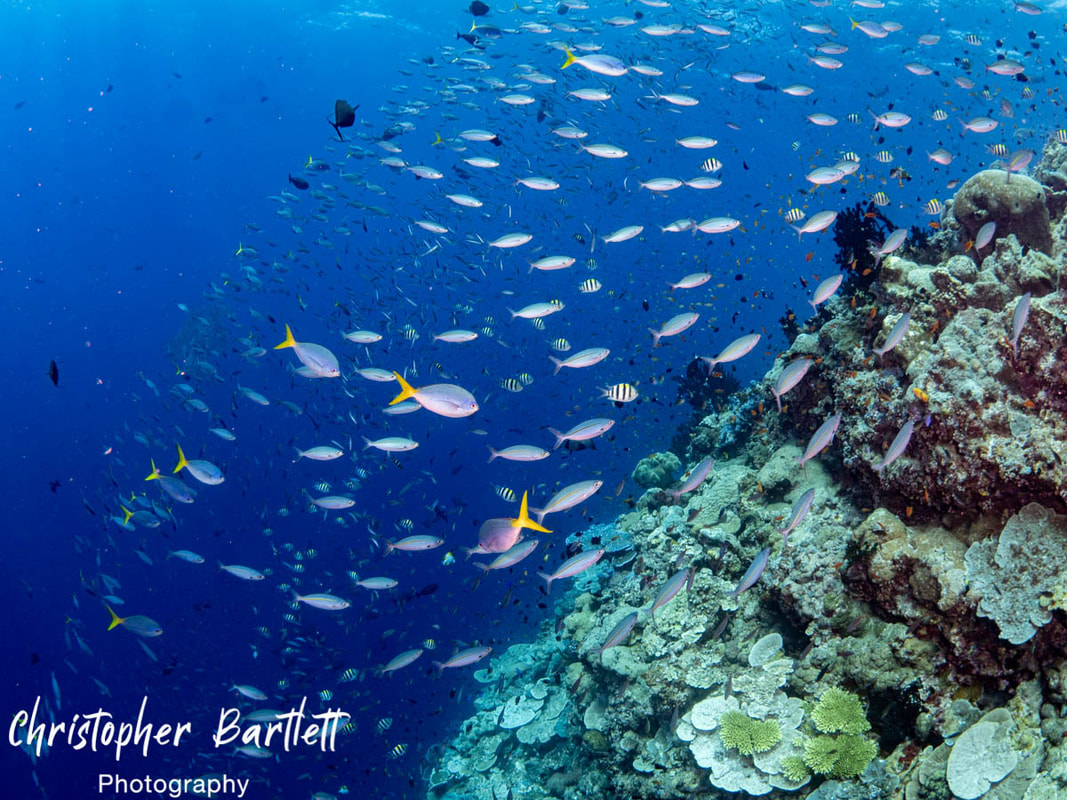
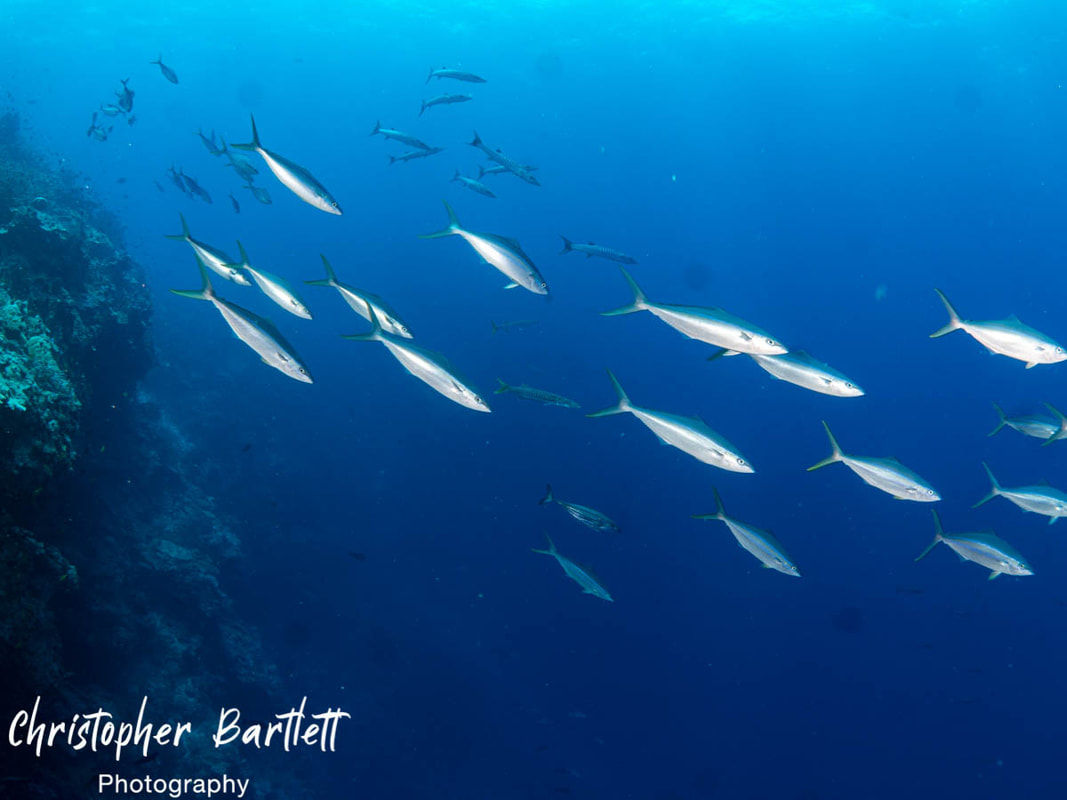
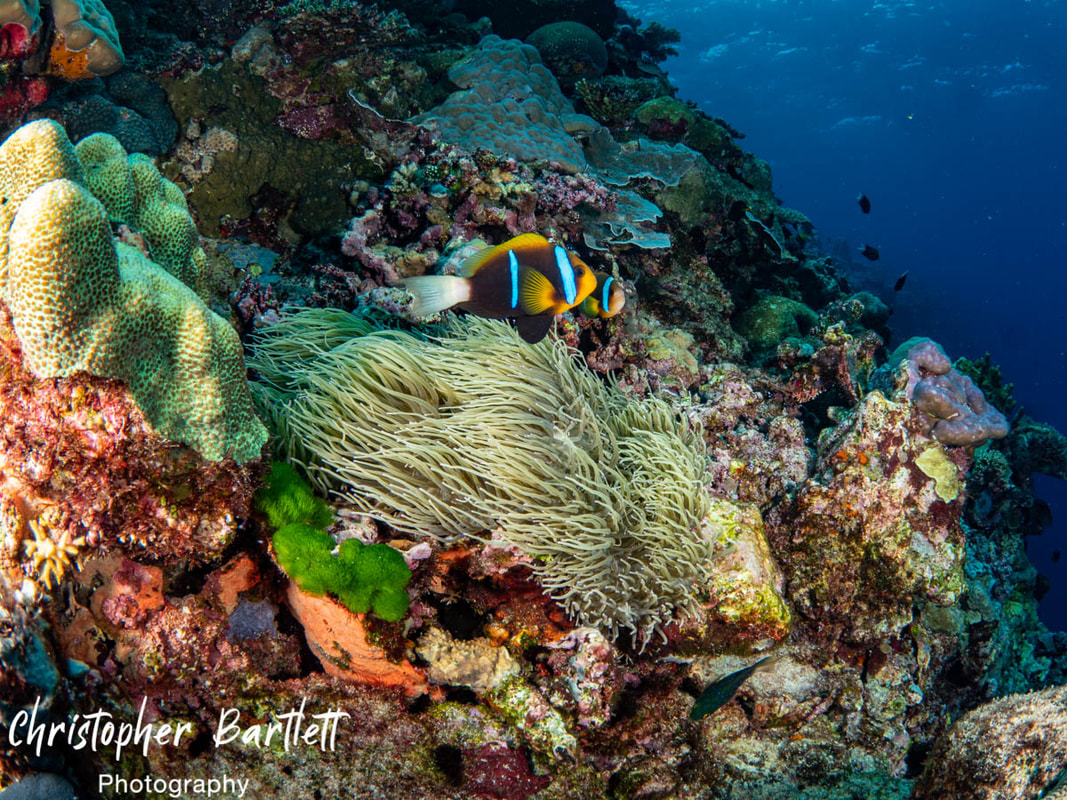
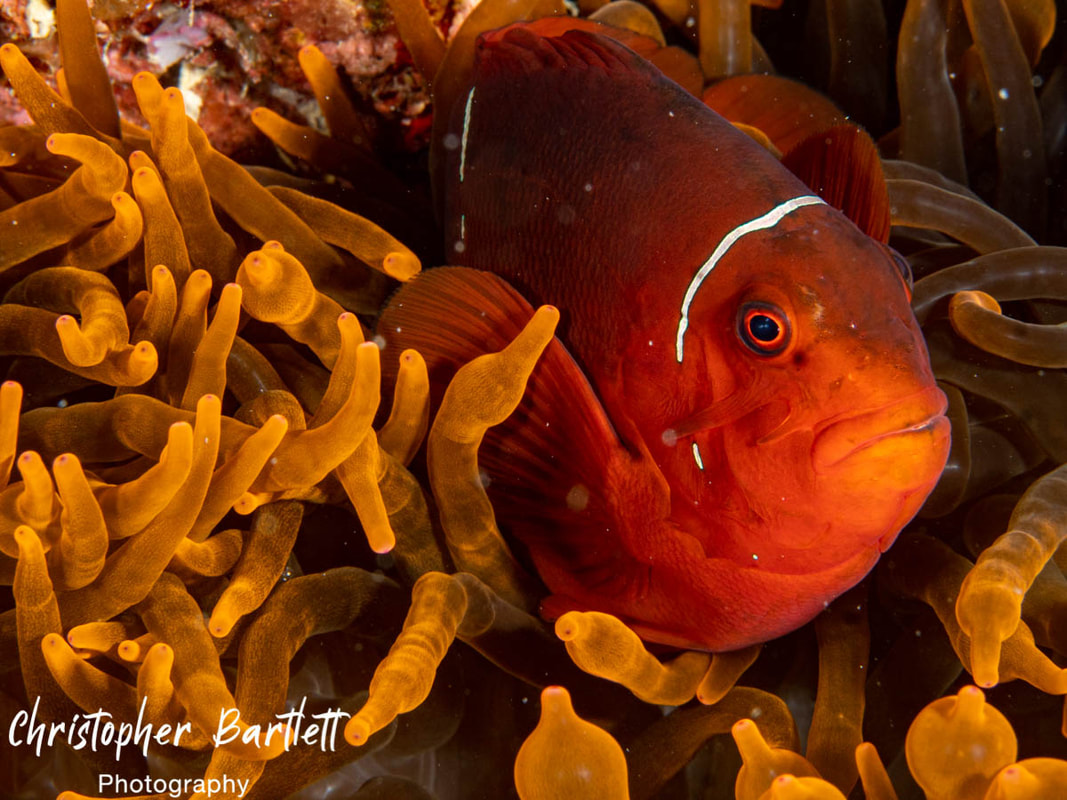
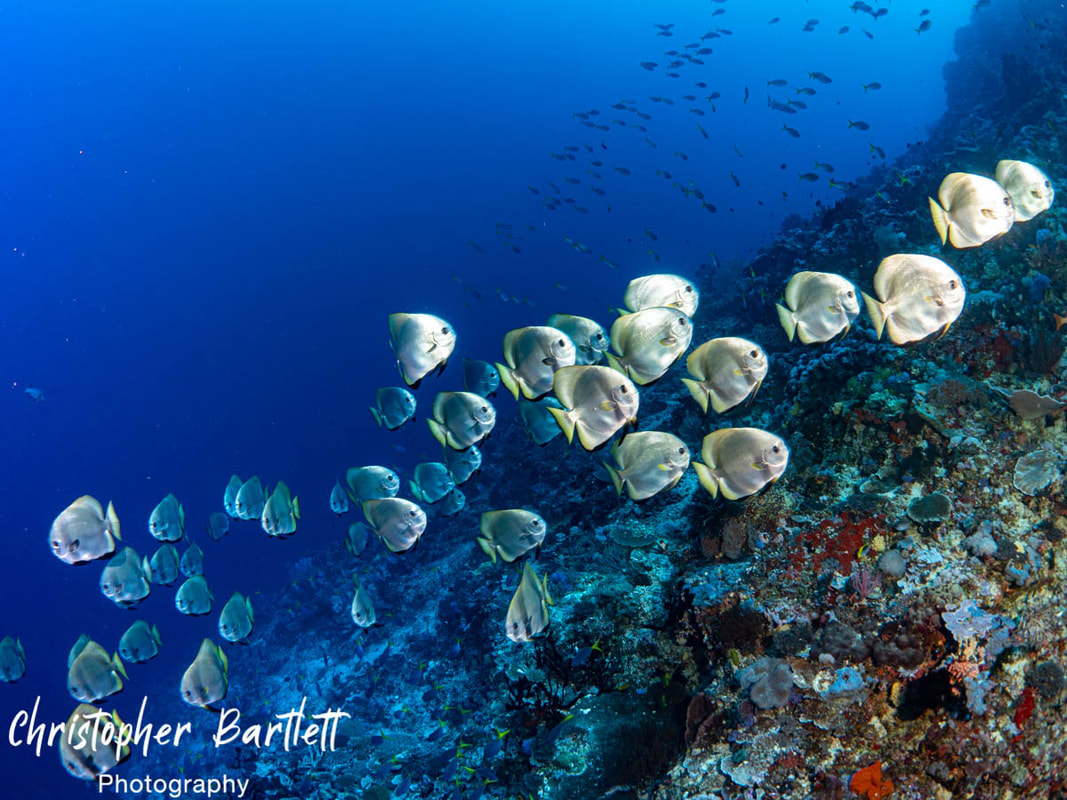
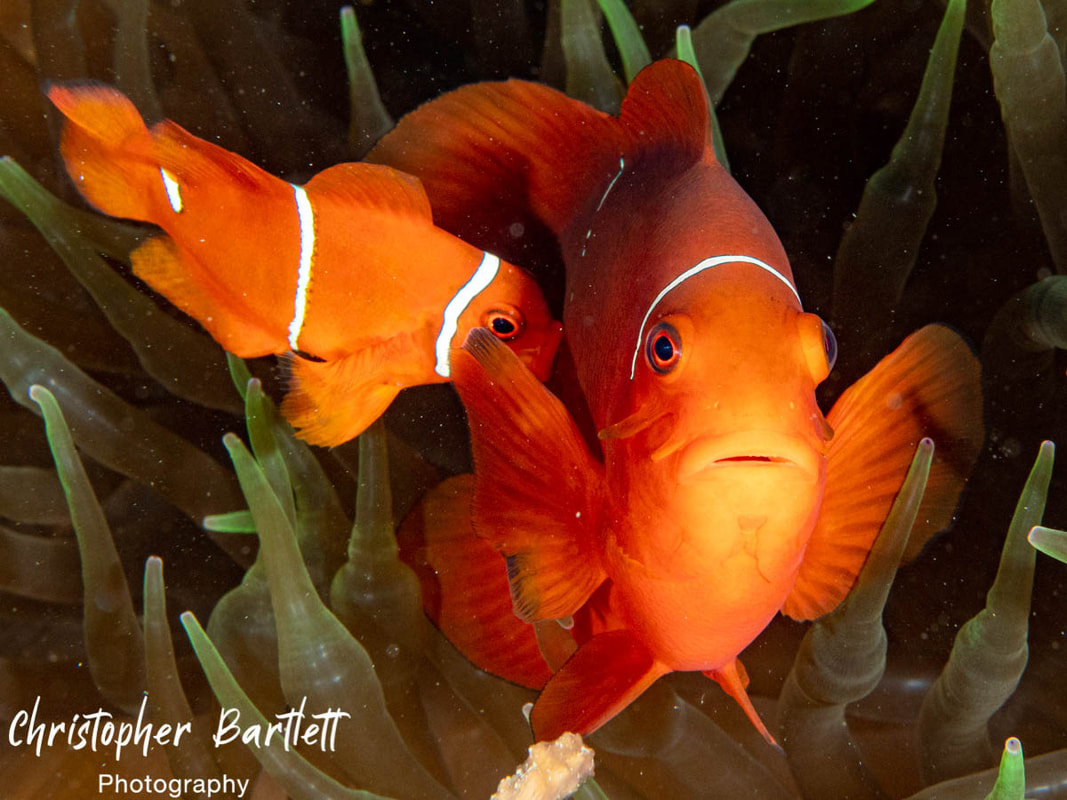
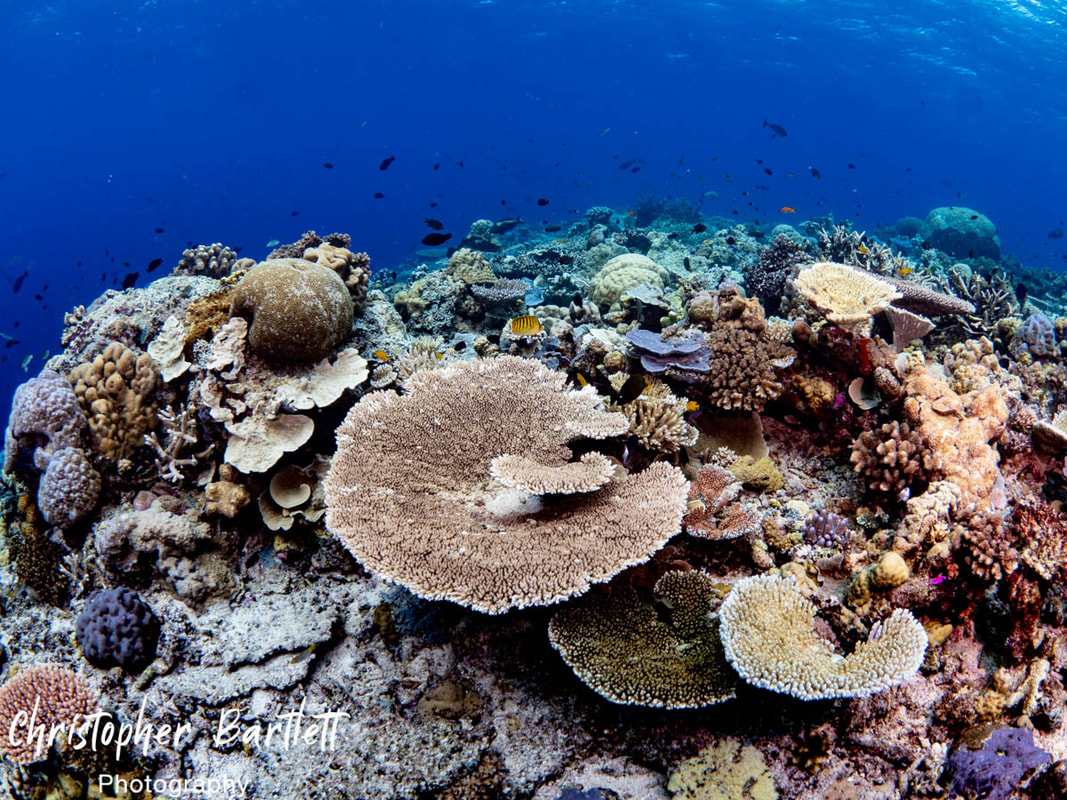
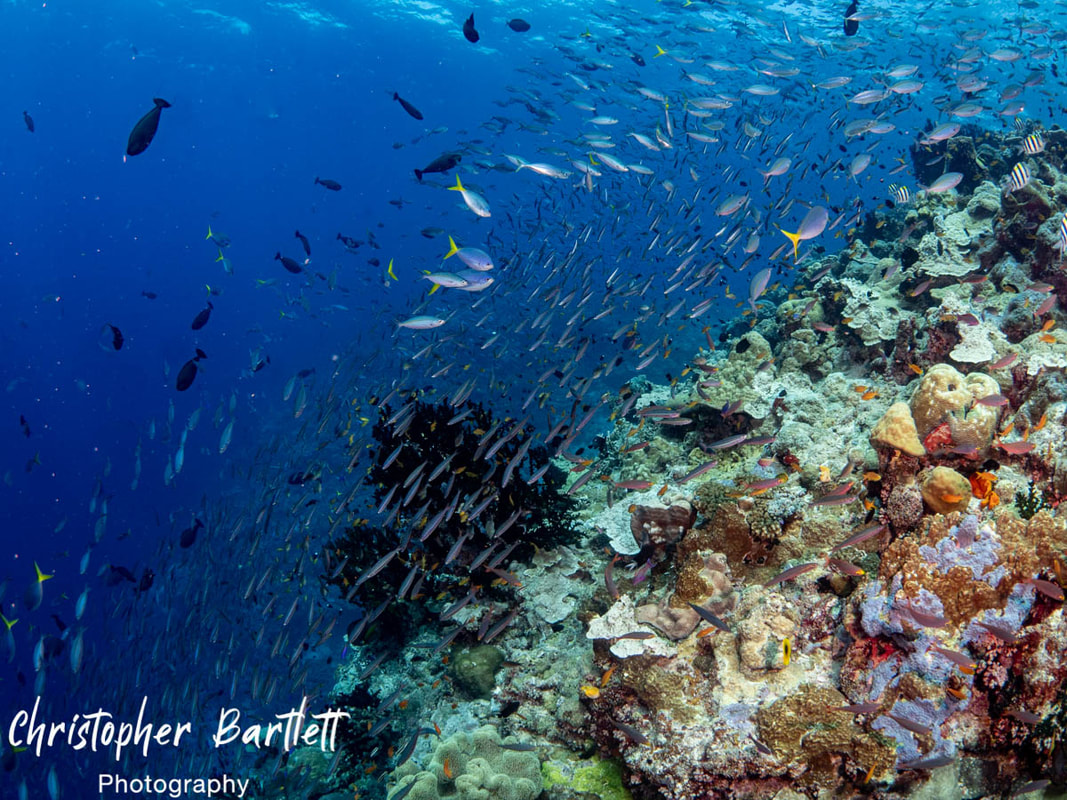
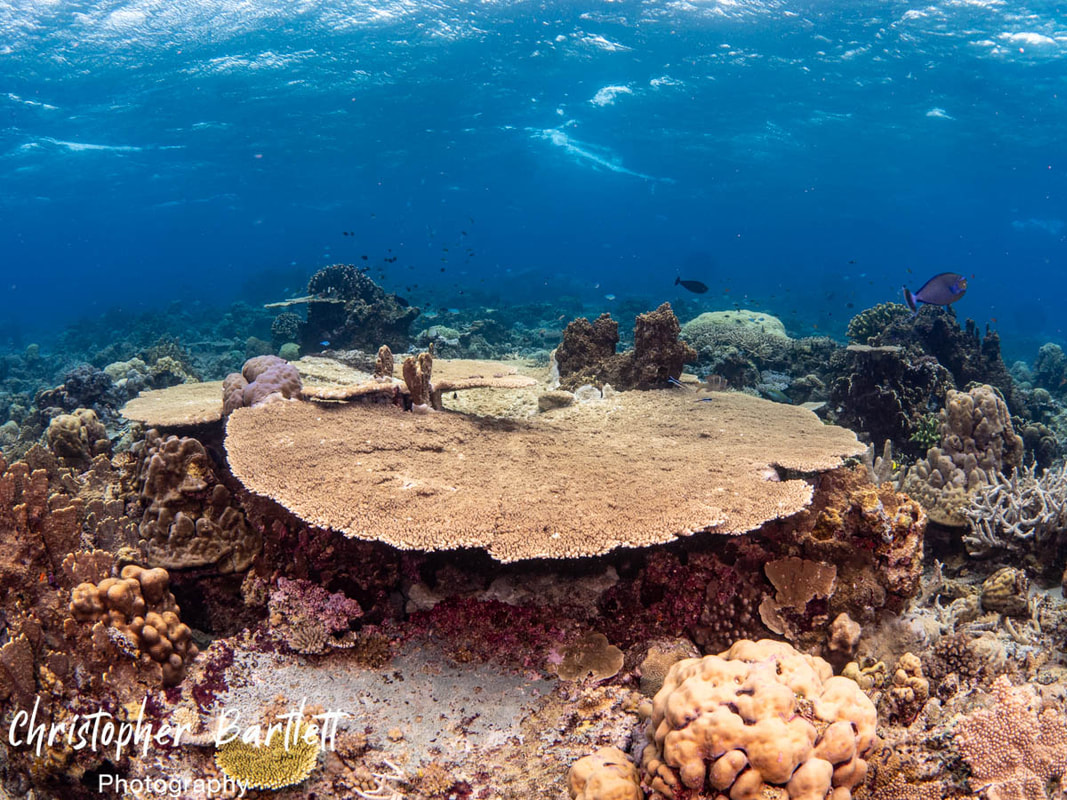
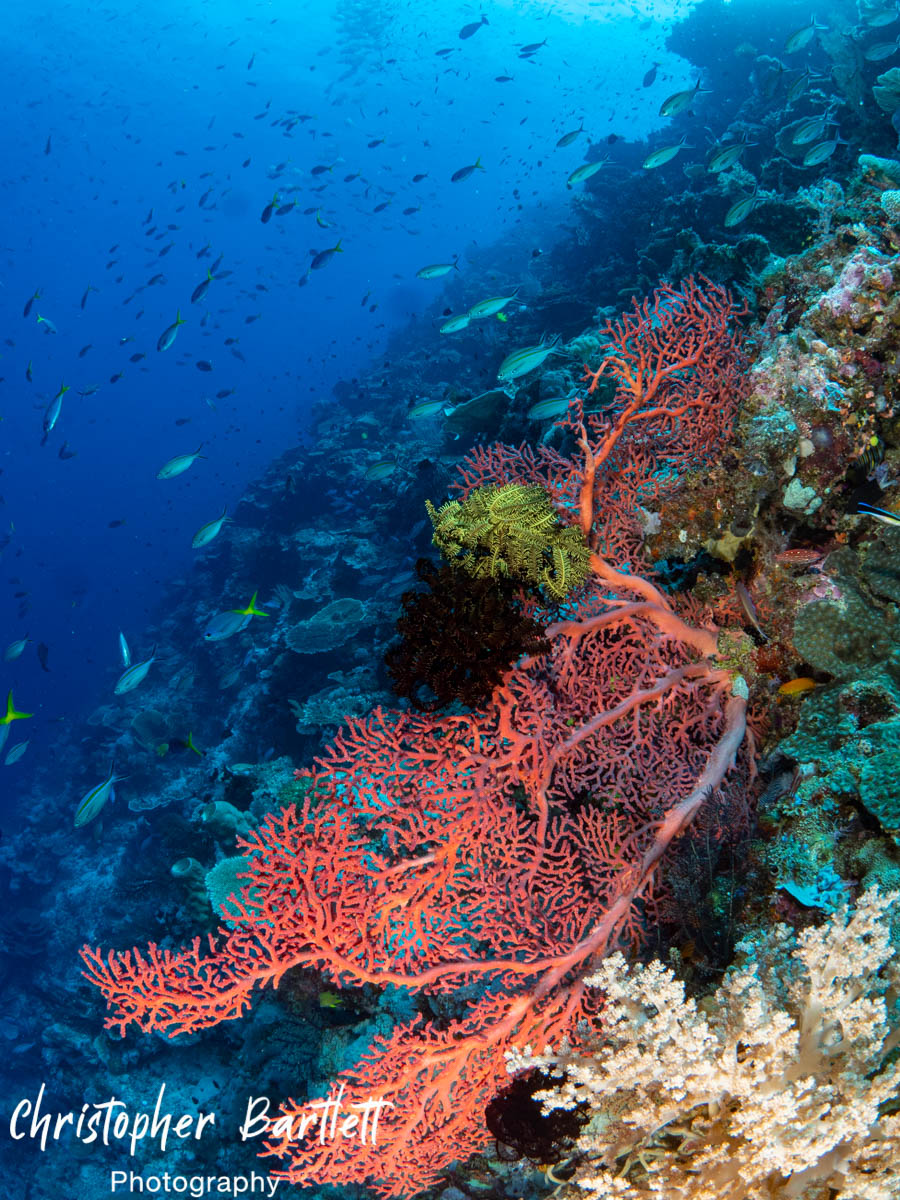
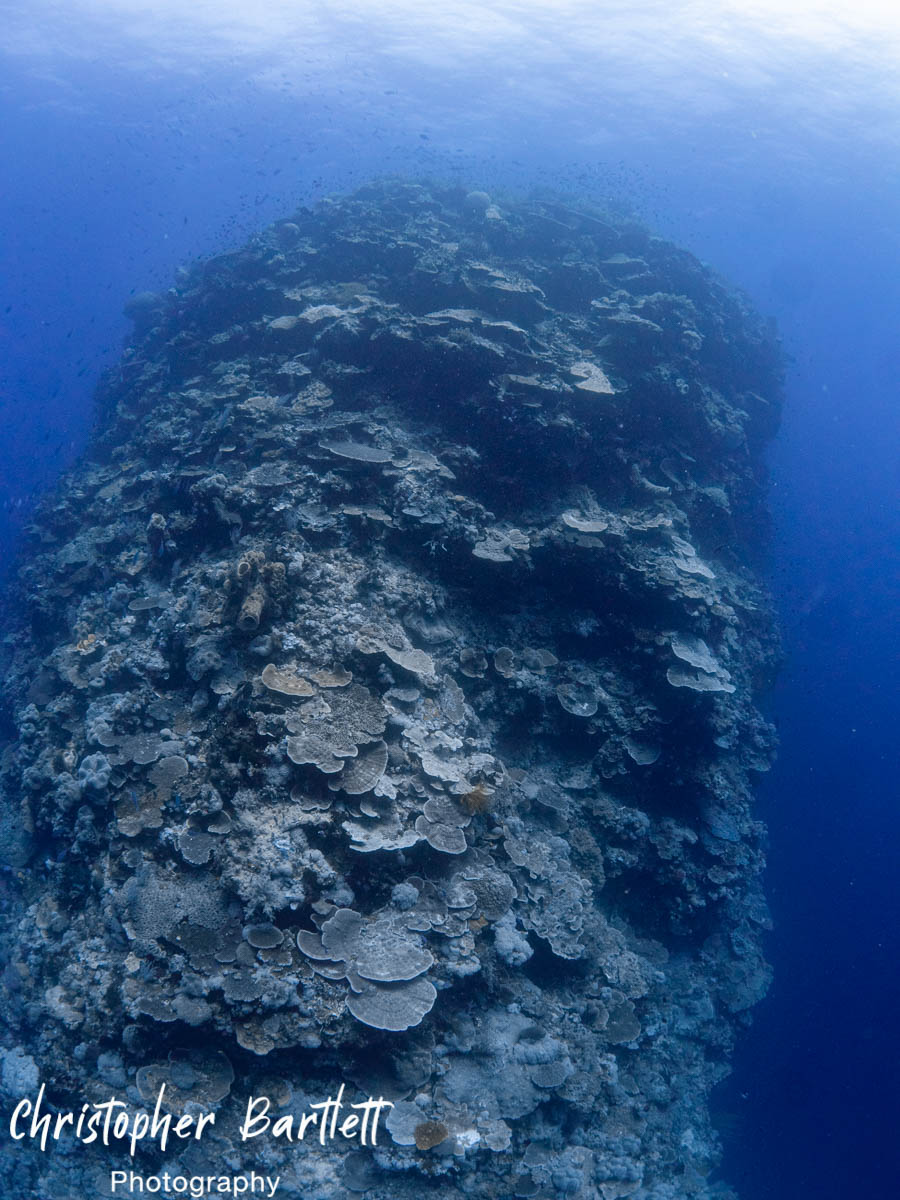
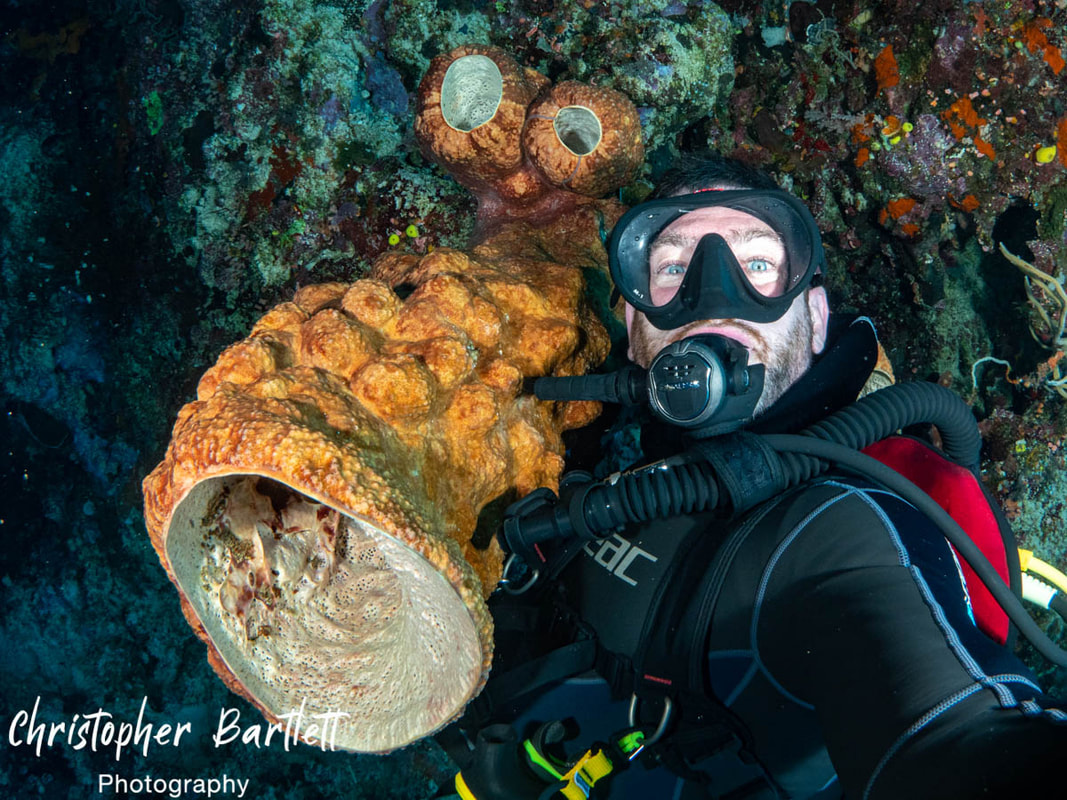
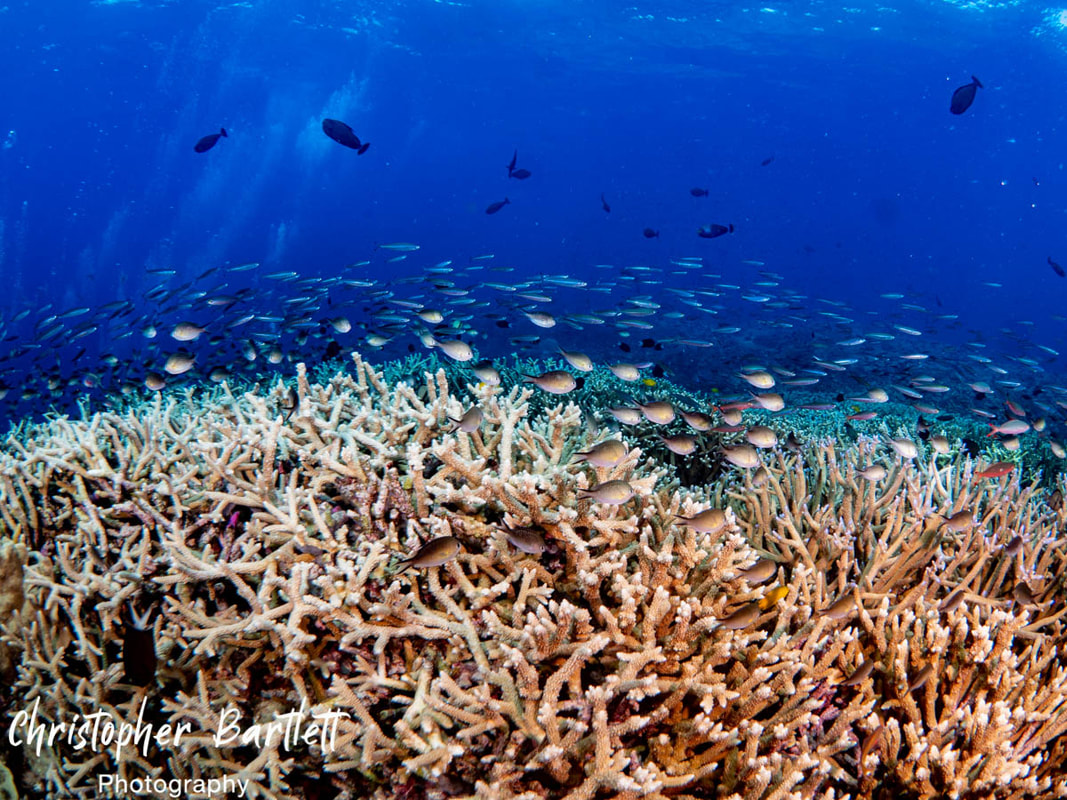
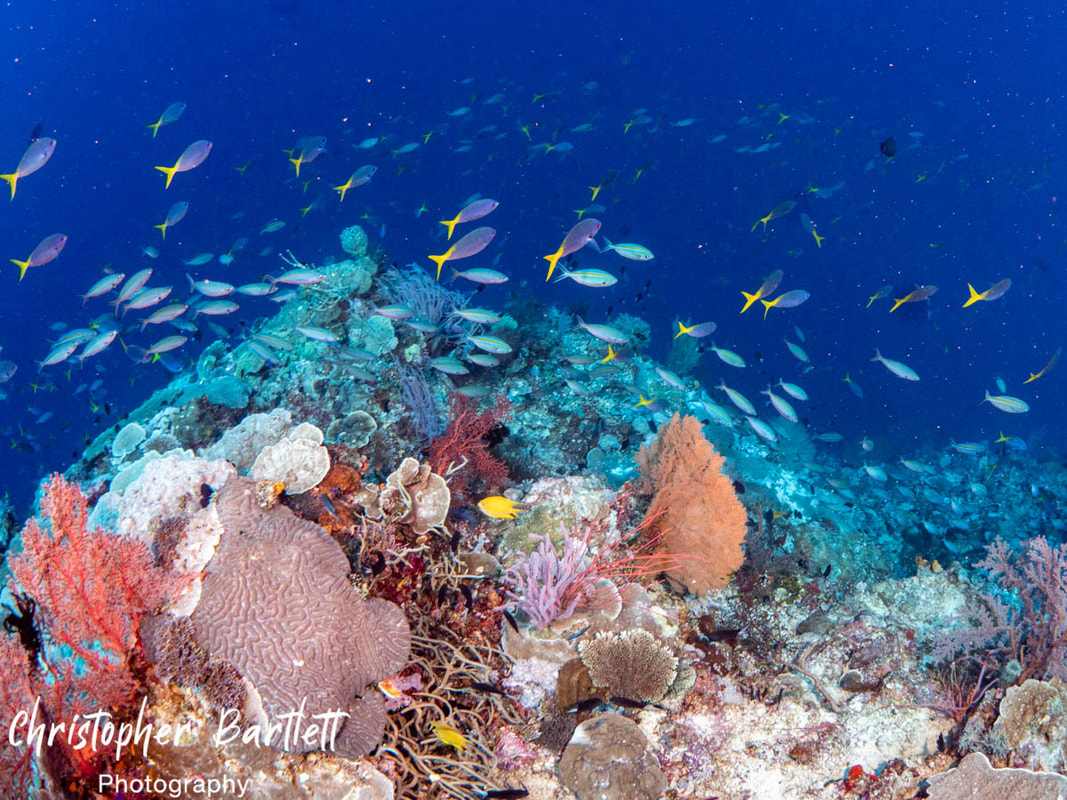
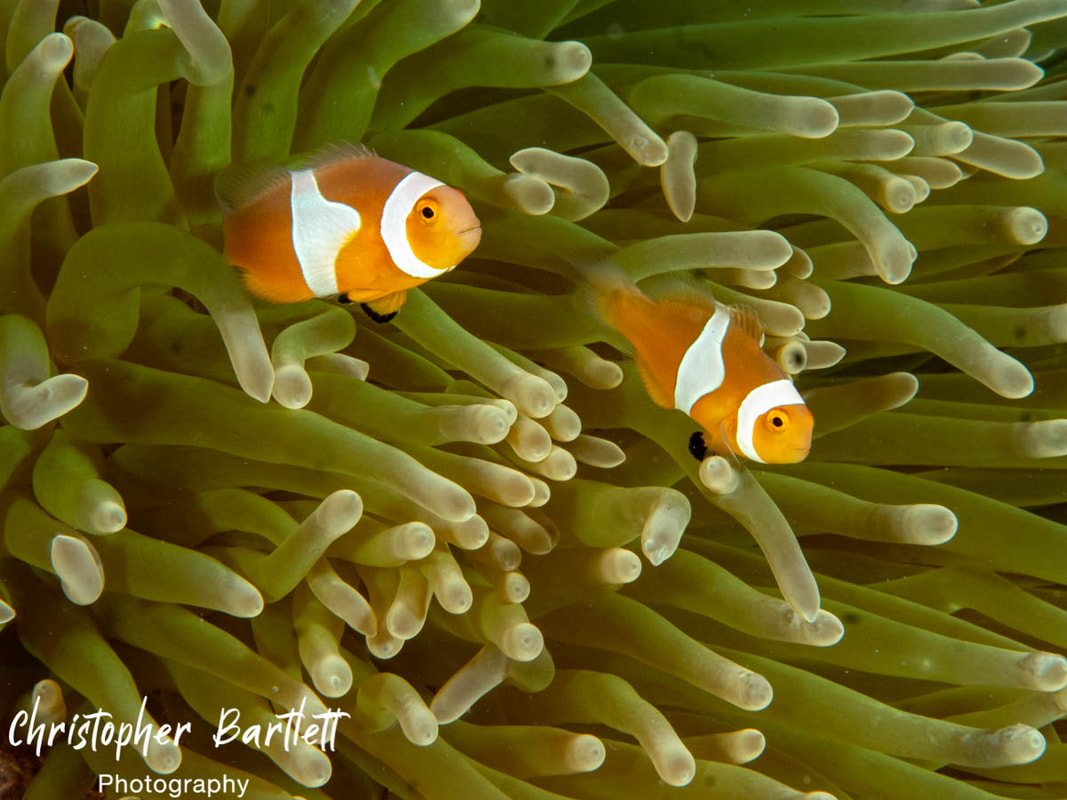
The Bismarck Sea lies in the Coral Triangle and supports a wide range of life. Kimbe Bay and Milne Bay host over 60 percent of the coral species found in the Indo-Pacific. This is one part of the wildlife of Papua New Guinea. Visitors can see:
- Hammerhead sharks that patrol the walls of outer reefs in search of prey.
- The epaulette shark, an endemic “walking shark” that uses its fins to move across shallow reefs at low tide.
- Leatherback turtles, which return annually to nest on the volcanic beaches of New Britain.
- Pygmy seahorses, which shelter among the branches of gorgonian fans.
The Walindi Plantation Resort is a base for this marine region, with access to many dive sites.
Planning a Wildlife Trip: Lodges and Logistics
Many sites for observing the wildlife of Papua New Guinea are accessible only by private charter flights that land on grass strips. When mapping out remote wilderness trips, consulting independent travel-planning resources like safaribay.net can help travelers understand general expedition logistics before booking. Best of PNG organizes these journeys and supports community-led conservation through a leave no trace approach. For bird displays, plan your visit between May and October, when conditions are generally suited to watching courtship dances.
Bensbach Wildlife Lodge
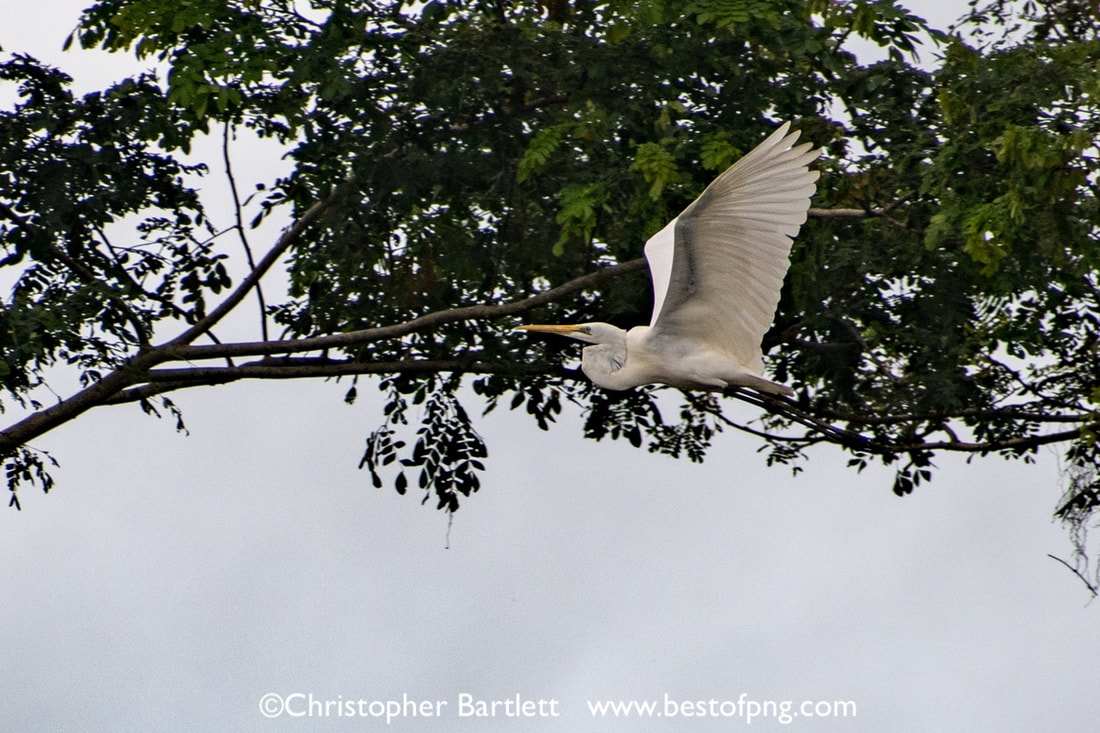
In the Western Province, the Bensbach River floodplains include grasslands, waterways, and areas of woodland. You may see Rusa deer and wallabies, along with Pelicans, Pygmy Geese, and Sea Eagles. The wildlife of Papua New Guinea is accessible in parts of this region. You can visit through our Bensbach Wildlife Lodge package. The lodge follows a sustainable tourism approach.
Expert-Led Itineraries
Travel in the Bismarck Archipelago or the Highlands requires coordination of internal flights and access arrangements. We handle internal flight schedules and secure the tribal permits that grant access to protected ancestral lands. Local trackers lead visitors to bowers and nesting sites and interpret signs in the forest. Enquire about your wildlife journey today to plan your trip.
Experiencing Papua New Guinea Wildlife
The wildlife of Papua New Guinea includes Birds of Paradise, tree kangaroos, crocodiles, and many other species. The country’s geography has influenced the distribution of marsupials and river wildlife. Since 2010, Best of PNG has organized expert-led expeditions to these remote places, with attention to discovery and cultural respect.
Our team provides access to remote outposts, including the high-altitude Ambua Lodge and the plains surrounding Bensbach. We specialize in underwater and birding photography, helping travelers document the wildlife. Begin your journey and explore our PNG wildlife expeditions.
Frequently Asked Questions
Where is the best place to see Birds of Paradise in Papua New Guinea?
The Tari Valley in the Southern Highlands is a leading place to see the Raggiana Bird of Paradise in its natural habitat. You can also visit Varirata National Park, located 48 kilometers from Port Moresby, where 38 of the world’s 43 known species are found. These cloud forests offer a good view of courtship dances.
Are there any dangerous animals in Papua New Guinea?
The Saltwater crocodile and the Papuan Taipan are notable hazards within the wildlife of Papua New Guinea. Encounters are infrequent for travelers on guided expeditions. Our guides navigate the 800-kilometer Sepik River carefully and explain how to observe these animals from a safe distance.
What is the best time of year for bird watching in PNG?
June through October is a season for bird watchers because drier weather can improve visibility during breeding displays. During these five months, rainfall in the Highlands typically drops below 150mm per month, which may help with spotting the Blue Bird of Paradise. This period also provides access to remote lekking sites in the forest.
Can you see kangaroos in Papua New Guinea?
You can find 12 species of Tree Kangaroos in the high-altitude canopy of the Huon Peninsula and the Torricelli Mountains. These arboreal marsupials, such as the golden-mantled Matschie’s Tree Kangaroo, are found nowhere else on earth. Seeing one requires a trek into the primary rainforests above 1,000 meters.
What makes the Sepik River wildlife unique?
The Sepik River ecosystem is defined by its population of Saltwater crocodiles and over 400 species of birds along its 1,126-kilometer length. This floodplain supports the White-bellied Sea Eagle and the rare 12-wired Bird of Paradise. The wildlife here is linked to the local culture, where the crocodile is revered as a spiritual ancestor.
Is it possible to see the New Guinea Singing Dog in the wild?
Sighting a New Guinea Singing Dog in the wild is rare, with the first photographic evidence in decades emerging from the New Guinea Highlands in 2016. These canines inhabit the terrain of the Star Mountains at altitudes exceeding 3,500 meters. A 2020 expedition confirmed a small population, but the animals remain difficult to observe. For most travelers, hearing a howl at dawn is the closest connection to this animal.
Do I need a special permit to visit wildlife conservation areas?
Accessing protected zones like the 130,000-hectare YUS Conservation Area requires permissions granted by local landowners and community leaders. We manage these logistics so your visit supports the 50 villages dedicated to preserving the Matschie’s Tree Kangaroo. Respecting these customary land rights is part of an ethical journey and supports the wildlife of Papua New Guinea.
What should I pack for a wildlife expedition in PNG?
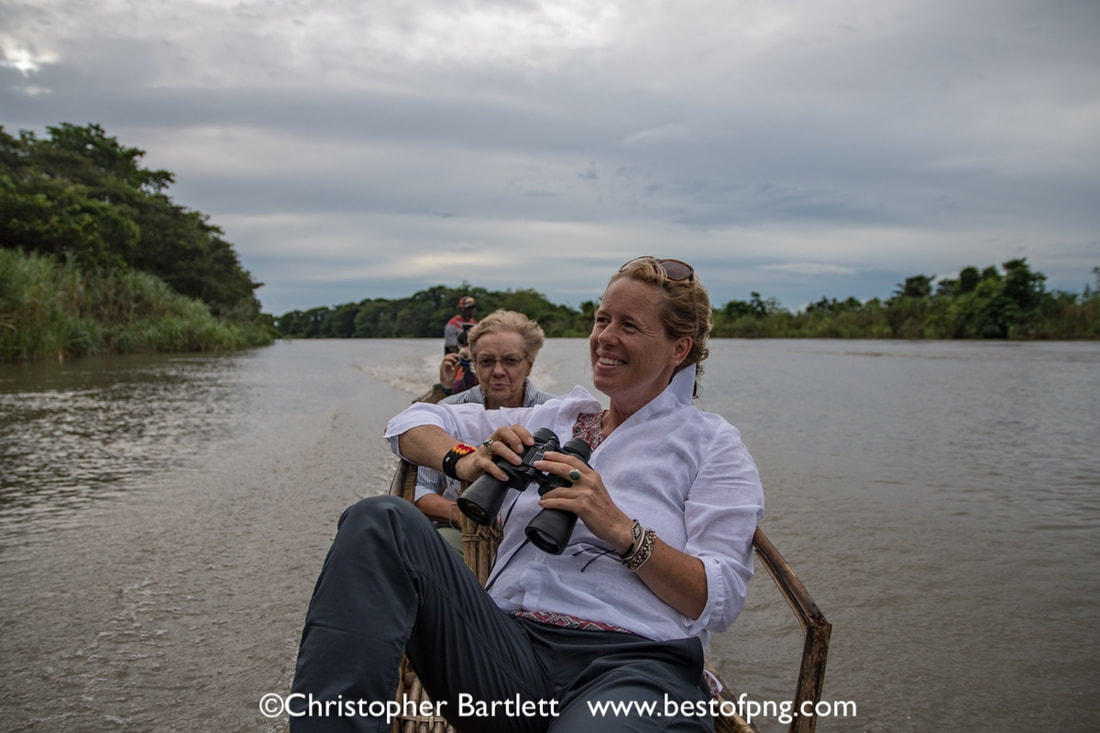
Pack 8×42 magnification binoculars and a 300mm telephoto lens to capture details of the forest canopy from a distance. Lightweight, moisture-wicking clothing is useful for the 85 percent humidity often found in the lowland jungles. Bring waterproof hiking boots for the muddy trails of the Owen Stanley Range, especially if you plan on traversing the rugged interior with Discover Kokoda Treks.